Portuguese
  Spanish


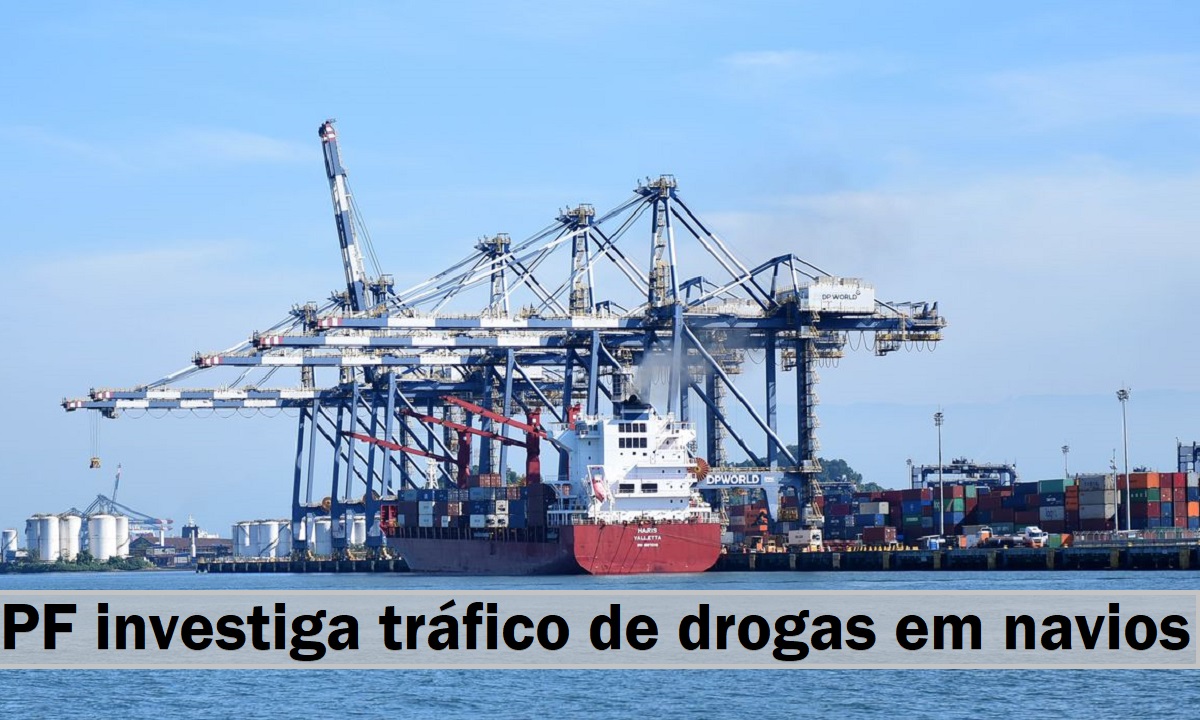

According to the complaint, the ships in the Port of Suape leave the coast of Pernambuco and are used for drug trafficking in South America and Europe
Data substantiated by the complaint claims that there may be more than just carcinogenic substances and radioactive waste inside the aircraft carriers located at the Port of Suape, on the Pernambuco coast.
The Federal Police and the port authorities of Pernambuco received complaints, made through official reporting channels, that the “ghost ship,” sold by the Brazilian Navy to a company in Turkey, may be used for trafficking cocaine from South America to Europe.
The complaints were made anonymously, but both the Federal Police and the Government of Pernambuco have responded, acknowledging the action taken.
-
Petrobras Secures $2.2 Billion Contract to Build and Operate Four Support Vessels for Brazil’s Offshore Oil Fields

-
France Revamps 530 Social Housing Units with Large Balconies and Glass Facades Without Demolishing Existing Buildings

-
10-Year-Old Max Makes History with Paris Fashion Show, Launches Own Brand, Hires Staff, and Sets World Record as Youngest Runway Designer

-
Bolivian Female Construction Workers Form Association to Combat Discrimination and 38% Pay Gap in the Industry




Formalization of the Complaint
The complaint was formalized jointly with the managers of the Port of Suape and the Government of Pernambuco’s ombudsman on October 5, the day the ship arrived off the state’s coast and was prevented from docking at the Port of Suape.
The reason for the prevention was the same that barred it from passing through the Strait of Gibraltar, the gateway to the Mediterranean Sea, and being received by Turkish ports: it does not possess a contaminant inventory verified by an internationally recognized laboratory.
The complaint states: “if you allow this ship to dock in your port, please conduct a proper search for narcotics.” “Investigative journalists in Turkey are discussing whether ship demolition companies use end-of-life vessels for drug trafficking. These are not just rumors. Several witnesses, workers at the ship scrap yard, have reported this.”
Actions Taken
On October 19, the ombudsman stated that the case had been referred to the Harbor Master, including that of the Port of Suape, and to the Federal Police. Additionally, investigative journalists also contacted the Federal Police in Brasília, emphasizing the need for a drug search, as well as sending links to reports published by journalists and Turkish media concerning the Port of Suape.
When approached, the communication officer of the Federal Police in Pernambuco, Giovanni Santoro, refrained from commenting on the investigations at the Port of Suape. However, authorities from the Pernambuco government confirmed the authenticity of the complaint made.