Portuguese
  Spanish


Accelerated Tax Depreciation Enables Expansion of Manufacturing Capacity in Times of Crisis, Reducing Expenses and Modernizing Production.
The National Confederation of Industry (CNI) emphasizes the importance of accelerated depreciation as a means to boost the industrial sector, considering it a fundamental measure to stimulate investment in capital goods. The proposal presented by the government in Bill (PL) 2/2024, although open to improvements, represents a positive step towards the modernization and strengthening of the Brazilian industry. The possibility of accelerated deduction of the amount spent on the acquisition of machinery and equipment from the real profit of companies is a relevant incentive to increase competitiveness and productivity in the country.
Additionally, accelerated depreciation can also be seen as a fiscal incentive that supports economic growth and job creation, fostering the business environment and attracting investments. Encouraging investment through tax depreciation has the potential to drive the modernization of the industrial park, contributing to improved production capacity and technological innovation. Thus, the adoption of accelerated depreciation measures represents an important step toward promoting sustainable development and competitiveness in the industrial sector in Brazil.
Importance of Accelerated Depreciation in Neo-industrialization
It is worth noting that accelerated depreciation will be a fundamental instrument for the process of neo-industrialization, considered strategic for the country’s economic development. The fiscal incentive generated by accelerated depreciation can boost productive investments, accelerating economic growth, especially amid the context of the economic crisis triggered by the COVID-19 pandemic.
-
They exchanged the idea of a large house for a 35 m² warehouse, spent US$ 12,000 on the structure, and created a tiny house in Colorado with space to live and work.

-
While modern cities rely on pumps and electricity, in Iran, ancient tunnels carried water through the desert using only slope and gravity.
-
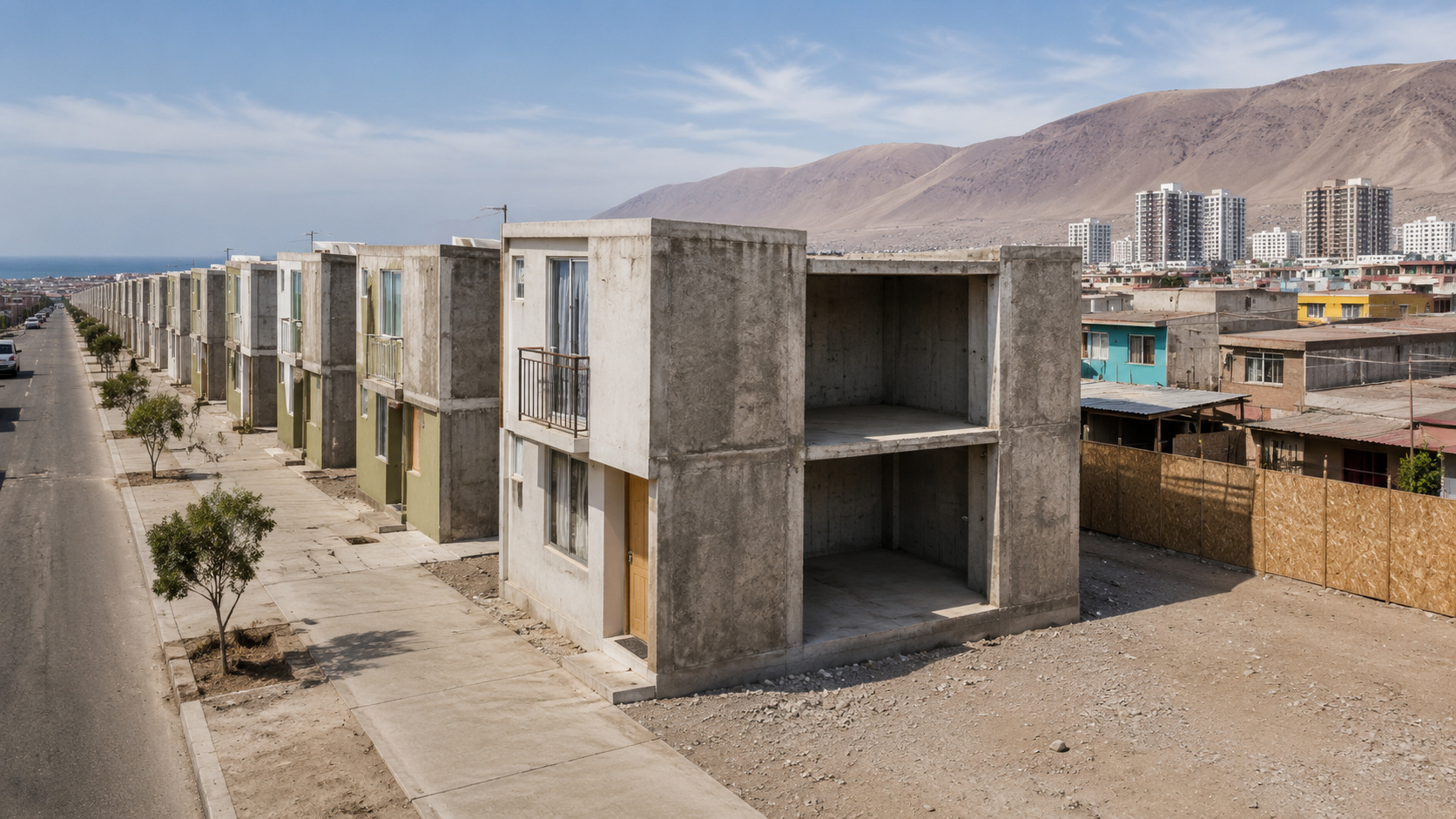
Instead of sending families far from the city, a project in Chile intentionally created incomplete houses on expensive urban land and left technical space for each to grow.
-
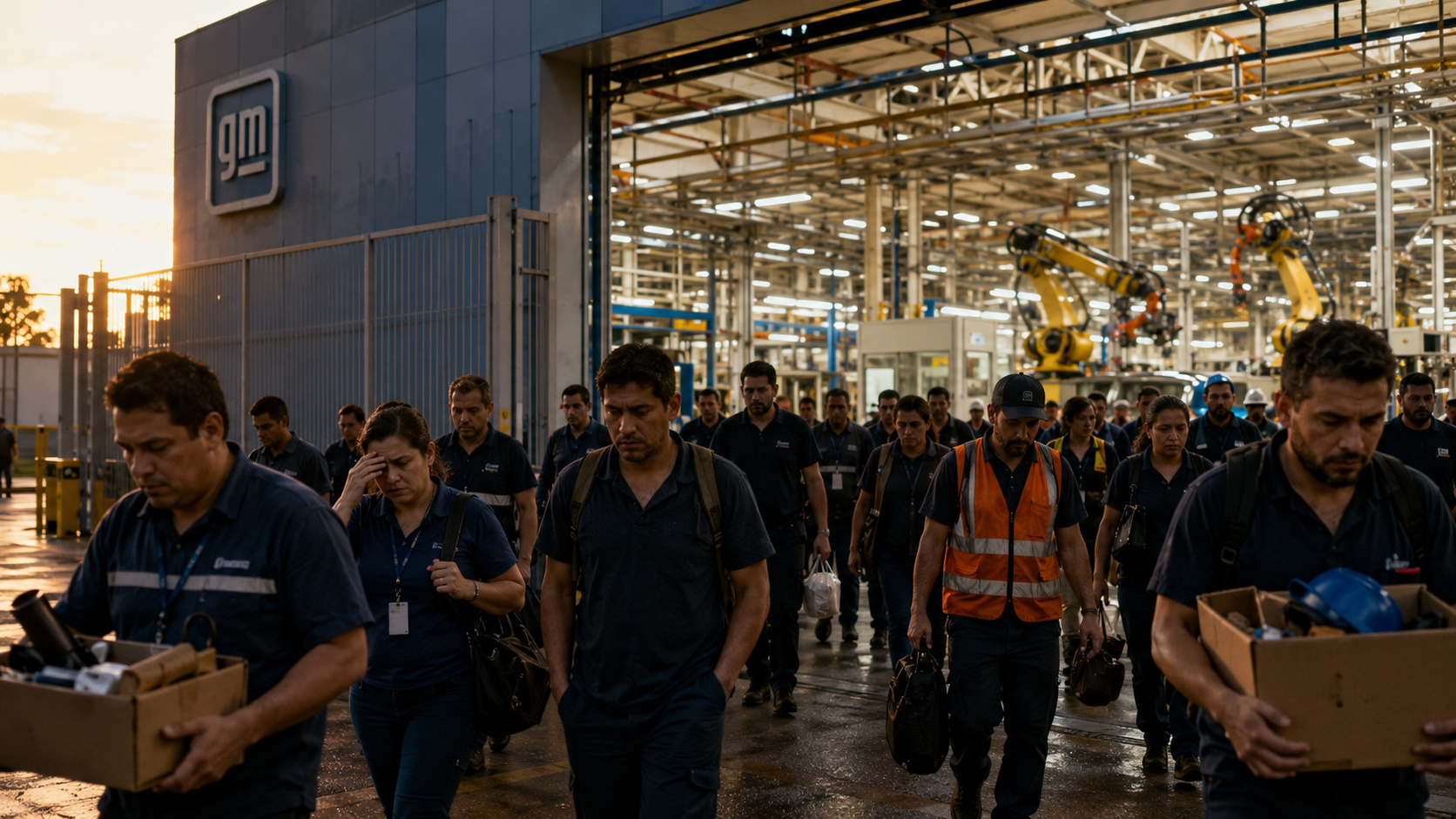
General Motors Replaces Over a Thousand Workers with 50 Cobots at Electric Vehicle Plant, UAW Union Criticizes Move Amid Industry’s Automation Push

Proposal for Accelerated Depreciation to Encourage Investment
The CNI has advocated for the implementation of an accelerated depreciation measure as a way to boost productive investment since 2020, and in 2022, it reinforced this request in a proposal presented to candidates for the Presidency of the Republic. In the following year, the proposal for accelerated depreciation was included in the Industry Recovery Plan, highlighting the relevance of this fiscal incentive for the country.
Impact of Accelerated Depreciation on Increasing Capital Stock
The policy of accelerated depreciation reduces the financial cost of acquiring capital goods, raising investment and, consequently, the capital stock. The expansion of this stock resulting from accelerated depreciation enables the Brazilian economy to produce more and more efficiently, with greater productivity, reflecting widespread gains.
Benefits of Accelerated Depreciation for Companies and the Economy
With accelerated depreciation, the companies making investments are not the only beneficiaries, as the gains from the use of modern machinery and equipment extend through the production chain, reaching suppliers and customers as well, positively impacting the entire national production fabric.
Depreciation Methods: Differences and Implications
The impact on company taxation is also significant, considering that standard depreciation and accelerated depreciation have marked differences. While standard depreciation occurs linearly over the useful life of the asset, accelerated depreciation allows for faster deductions in the initial years, easing the cash flow of companies during times of higher expenses, such as in the case of investments in capital goods.
Challenges and Costs Related to the Useful Life of Industrial Machines
Research from the CNI shows that industrial machines and equipment have an average age of 14 years, with 38% of them nearing or having already surpassed the age indicated by the manufacturer as the ideal life cycle. This reflects challenges and maintenance costs and management, affecting the competitiveness of industries and the efficiency of production processes.
Source: Industry Portal