Portuguese
  Spanish




What Happened At The Terminal?
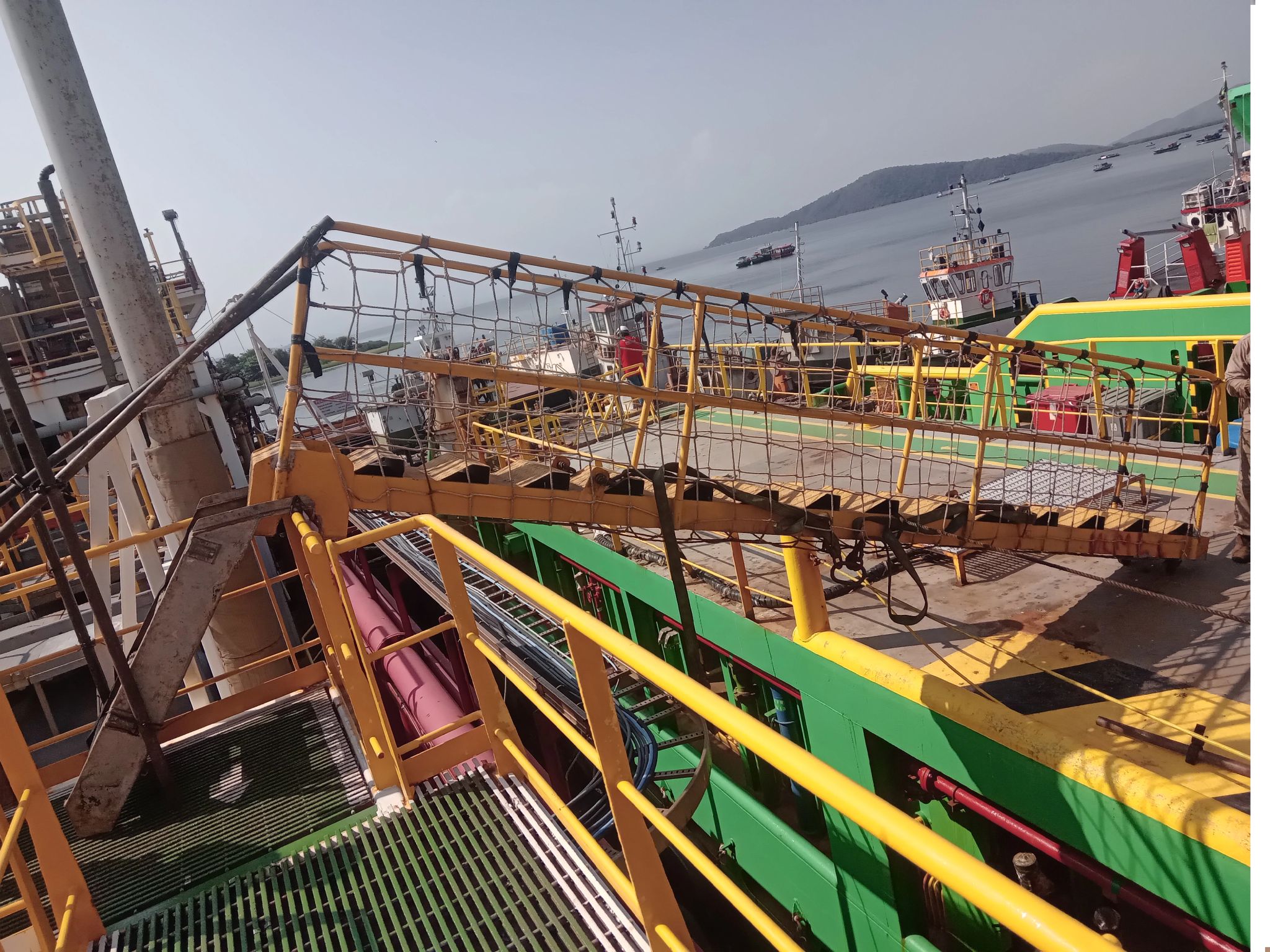
On the morning of November 27, 2024, a collapse at the Transpetro terminal shook Angra dos Reis. During routine maintenance at the effluent station, an access platform collapsed. Despite immediate rescue efforts, two workers died and a third was taken to the hospital. Fortunately, the injured individual is in stable condition, but sadly, the pain of loss remains.
What Did Transpetro Declare?
Shortly after the accident, Transpetro deeply regretted the incident, expressing its support to the families of the victims. Additionally, it announced that it would form a committee to investigate the causes and prevent future accidents. Certainly, this effort demonstrates a commitment, but it also highlights the need for broader changes in the sector.
Why Is Safety So Important?
In the oil and gas sector, operations are extremely delicate and dangerous. Therefore, ensuring frequent inspections and continually training teams is essential. Moreover, investing in safer technology makes all the difference. Thus, prevention becomes the main pillar for avoiding tragedies like this.
-
OPEC+ Boosts Oil Supply by 188,000 Barrels per Day in July 2026, Leading to Price Drop from $112 to $89 per Barrel in Under Two Months

-
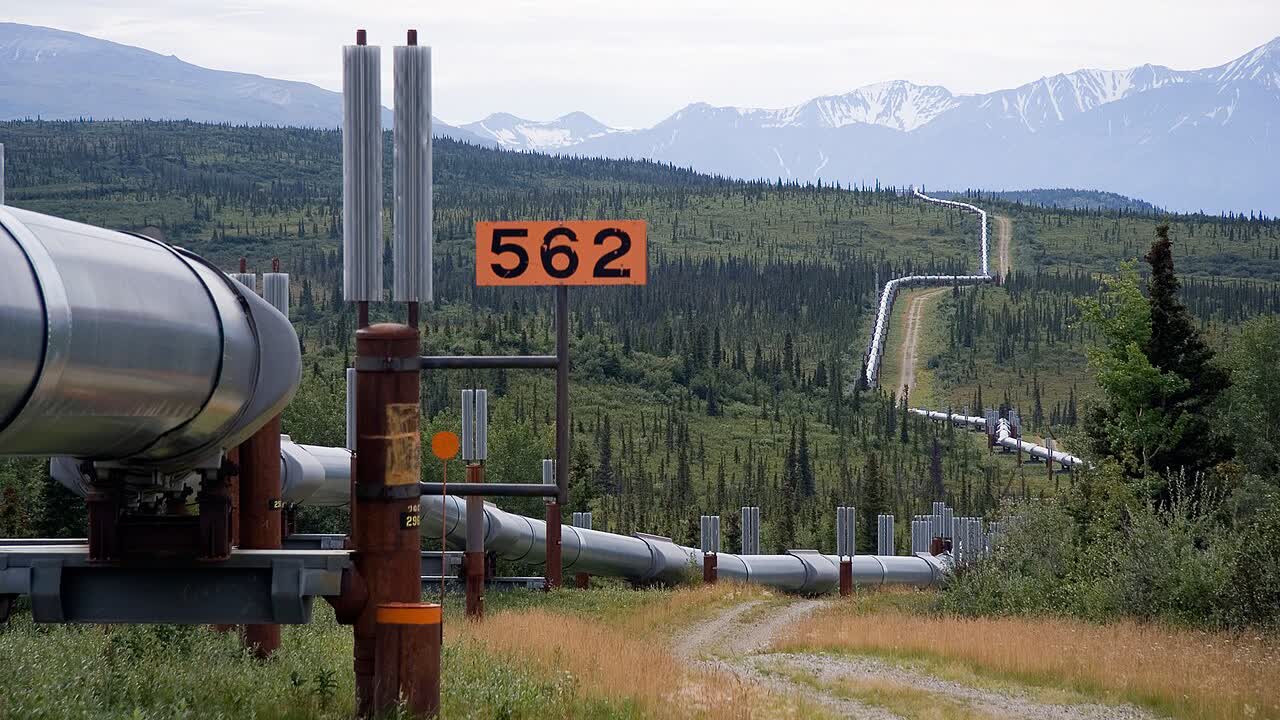
TotalEnergies Signs 20-Year Deal to Purchase 2 Million Tons of LNG from Alaska, Boosting Project Viability
-
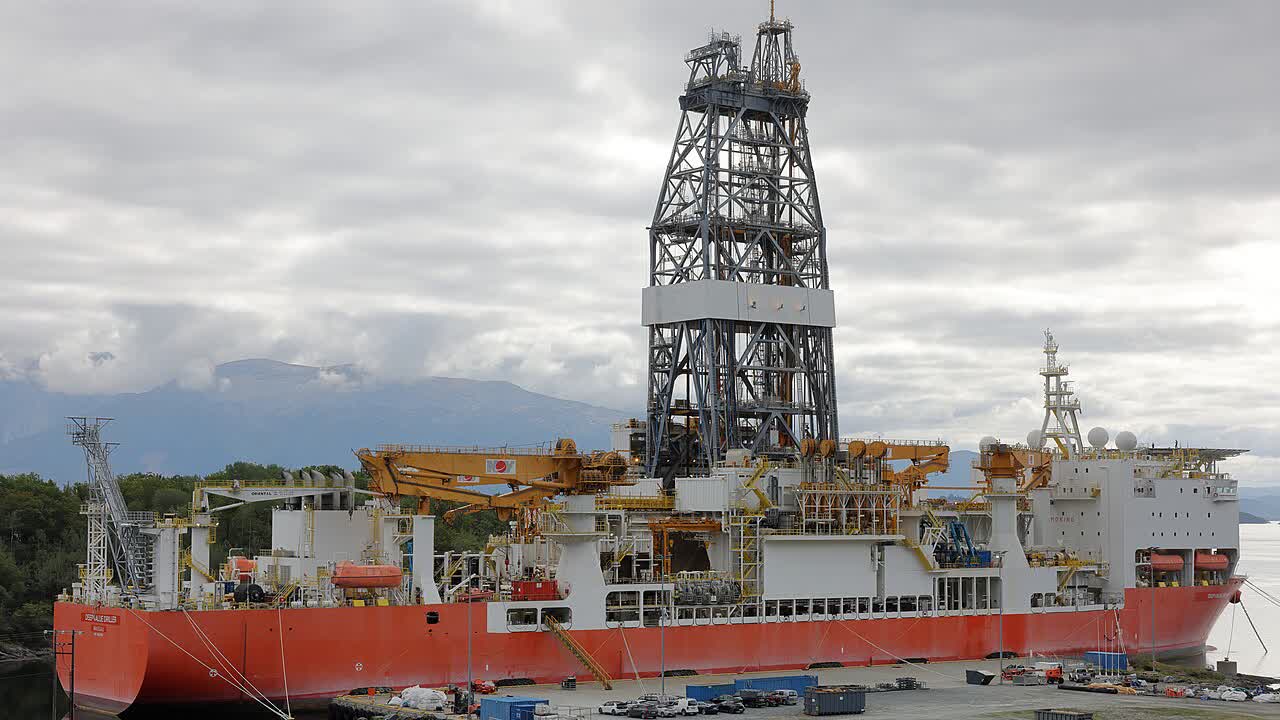
Turkey Deploys Çağrı Bey Drilling Ship to Explore New Oil Frontier Off Somalia’s Coast
-
Golden Pass LNG Ships First Liquefied Gas Cargo from the U.S., Completing $10 Billion QatarEnergy and ExxonMobil Investment


What Are The Impacts?
Accidents like this not only affect operations but also the people involved. In addition to human losses, there are financial losses, delays, and damage to reputation. However, these episodes also show how companies need to evolve and implement improvements quickly.
What Can We Learn?
Finally, such tragedies reinforce that prevention is always the best course of action. Therefore, revisiting safety standards, conducting maintenance, and investing in continuous training are essential practices. Only then will it be possible to protect lives and ensure safer operations.