






 Portuguese
  Spanish
  2 min of reading
  0 comments


Impact Of Fuel Inflation On Urban Mobility
The year 2023 presents itself as a particularly challenging period in the fuel market in Brazil, marked by a significant increase in gasoline and diesel prices. This rise, driven by international factors such as supply restrictions on oil and growing demand, pressures consumer finances and directly affects several sectors. Data from IBGE shows that the spike in fuel prices is one of the main drivers of inflation, with IPCA-15 recording an increase of 0.21% in October.
Global Trends And Their Effects In Brazil
On the global stage, actions by oil powerhouses such as Russia and Saudi Arabia are shaping fuel prices, making the market more volatile. In Brazil, the National Agency of Petroleum, Natural Gas and Biofuels indicates an average gasoline price of R$ 5.80 in September, the highest of the year. Furthermore, adjustments in toll rates and price increases on highways managed by CCR reflect the need to balance accounts after pandemic losses.
The Response Of Companies To The New Mobility Reality
Given this scenario, the importance of flexible benefits offered by companies is emphasized by Matheus Rangel, CGO of Niky, a company that helps other organizations adapt to new urban mobility models. Rangel points out that, with the increase in transportation options and diversified work models, benefits must align with the demands and habits of employees. Flexible benefit cards emerge as an innovative solution, allowing companies to show care for their employees, who spend an average of 120 minutes per day in traffic, using a variety of transport modes.
-
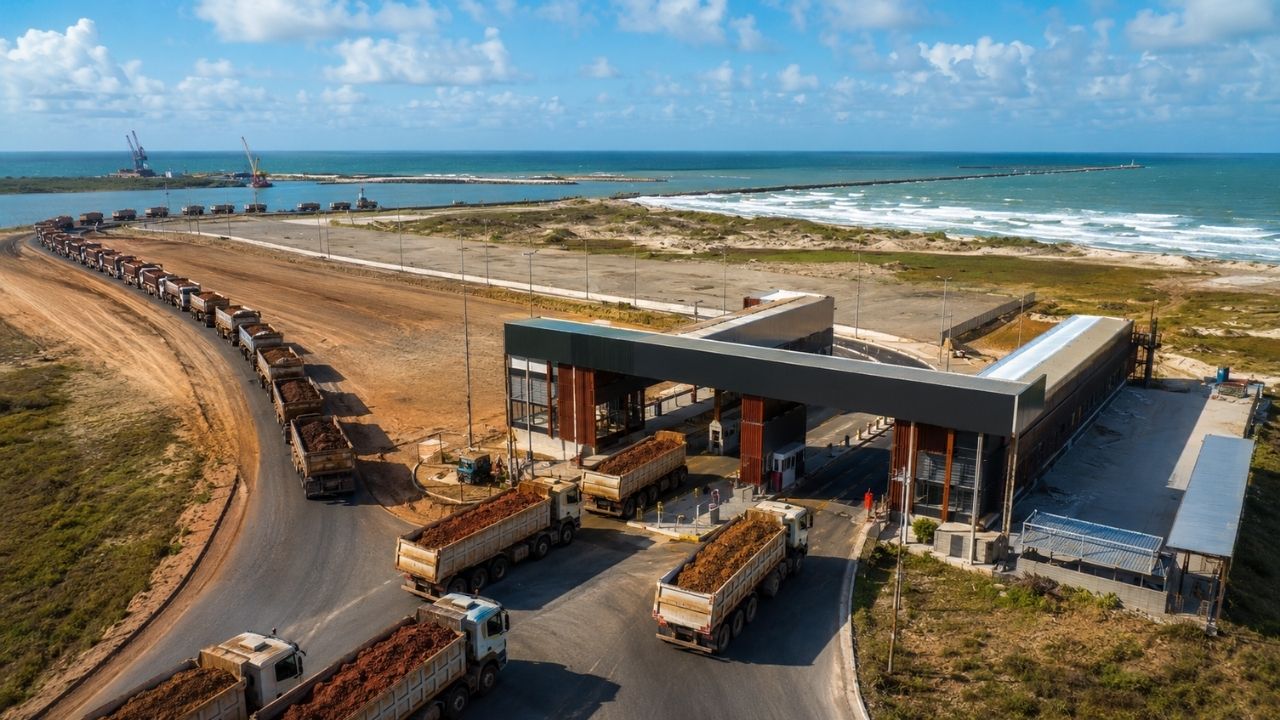
Line of trucks on the coast of Piauí anticipates a historic operation at the Port of Luís Correia, where 120,000 tons of iron ore extracted in Piripiri are set to be shipped to China, marking the beginning of a port structure awaited for decades.

-
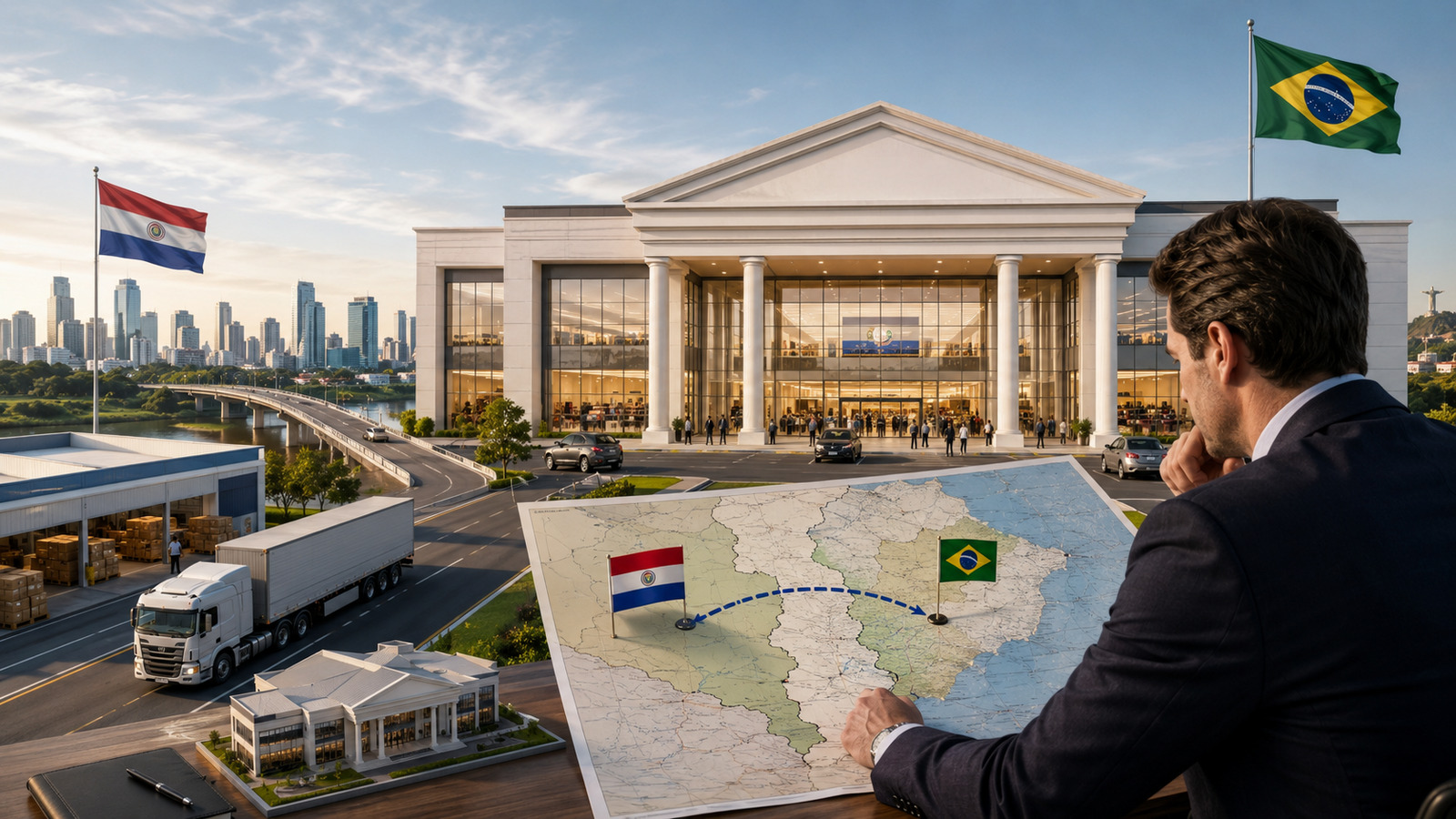
Better than in Brazil? Havan’s owner wants to take the chain to Paraguay and Uruguay: “I confess I had never thought about it.”

-
How much does a gas station owner earn? A business that seems like a money-making machine can generate R$ 1.5 million per month and still profit only R$ 40,000, while the real earnings come from convenience, car wash, and extra services.
-
Elderly individuals may obtain essential documents without paying fees: a project that includes CIN, CNH, CPF, and work card advances in the Chamber, eliminates issuance and renewal charges, and leaves Brazilians waiting for decisive steps to see if the benefit will actually be implemented.


The Need For Flexibility And Adaptation
In a world where urban mobility challenges are becoming increasingly complex, flexibility in companies’ benefit policies becomes essential. This care not only supports employees in their daily journeys but also reflects a greater commitment from companies to the well-being of their workforce. The trend is that, over time, more companies will adopt these practices to keep their employees engaged and satisfied, despite the challenges imposed by fuel inflation and changes in the work model.
The rise in fuel prices and the need for flexibility in work models represent significant challenges for urban mobility in 2023. Companies like Niky are at the forefront, offering solutions that help other organizations adapt to these new challenges, ensuring the financial health and well-being of their employees.
Source: Milena Almeida – Advisor for Niky







Be the first to react!