Portuguese
  Spanish


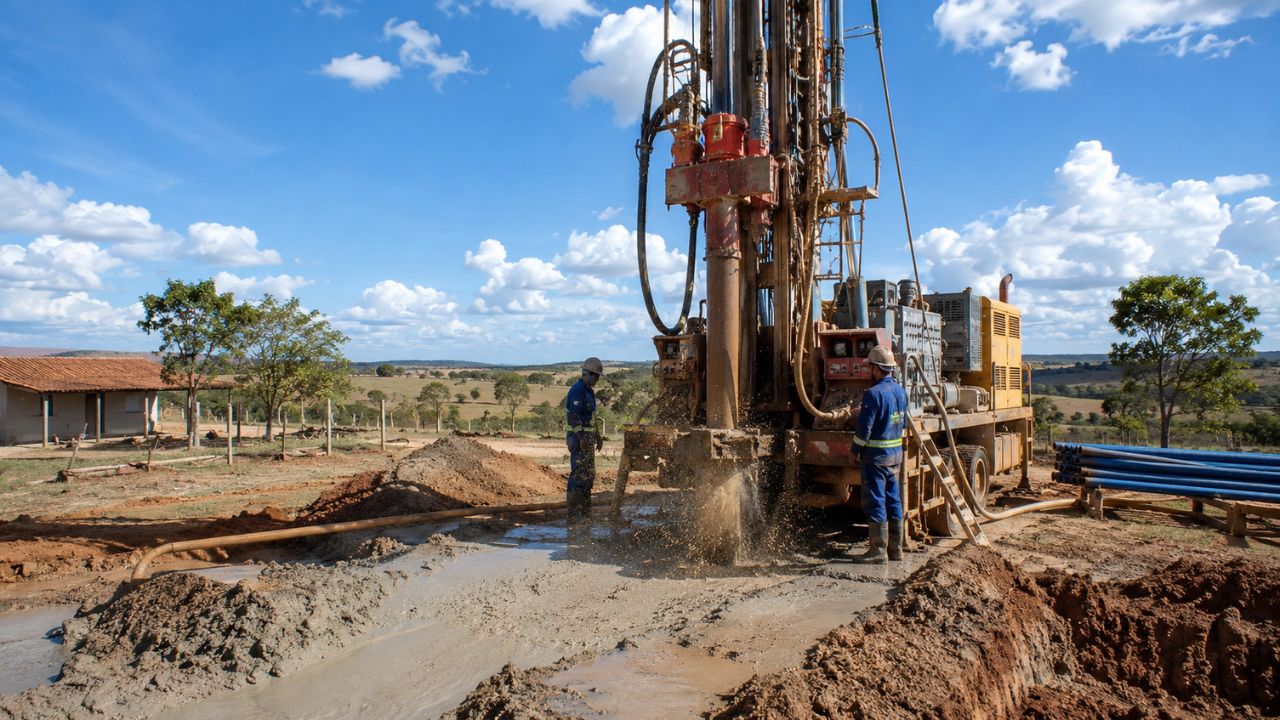

Find out how much it costs to build a well, what types exist, the estimated values, and the requirements to regularize the construction.
Those who intend to ensure their own water supply source on a property need to consider not only the excavation but also the legal and technical issues involved in the project. According to Cronoshare, the cost to build a well can vary between R$ 2,000 and R$ 13,000, although in some situations the value exceeds R$ 15,000, especially when the required depth is greater. In addition to the construction costs, the owner must meet licensing requirements and follow specific construction standards.
The final investment depends on various factors, such as the type of well chosen, soil characteristics, drilling depth, and the technique used during the service execution. Therefore, it is recommended to evaluate all the details before starting the project.
How much it costs to build a well in practice
Prices can vary significantly according to the conditions found on the property and the model adopted for water capture.
-
Unable to secure a mortgage as a self-employed single mother, she designed her own floating home from a 20-meter boat and now lives “off-grid” with her two children and solar panels on an English canal.

-
Man Transforms Rusty Shipping Container into Luxury Home with Insulated Walls, Large Windows, and Drywall Finish, Surprising Onlookers

-
“Super Grass” Miscanthus Grows Rapidly Without Pesticides, Replacing Heating Oil in Europe and Now Used in Carbon-Capturing Concrete and Walls in World’s First “Bale House”
-
Abandoned House Renovation Fixes Decades-Long Leak in Two Days with Red Steel Roof Installation


According to Cronoshare, the construction can cost:
- Between R$ 600 and R$ 5,000 for a shallow well about 10 meters deep;
- Between R$ 900 and R$ 7,500 for a drilled well approximately 15 meters deep;
- Between R$ 1,800 and R$ 15,000 for an artesian well about 30 meters deep.
There is also the possibility of calculating the budget considering each meter drilled. In this case, the values usually range between R$ 150 and R$ 500 per meter, depending on the methodology employed during the excavation.
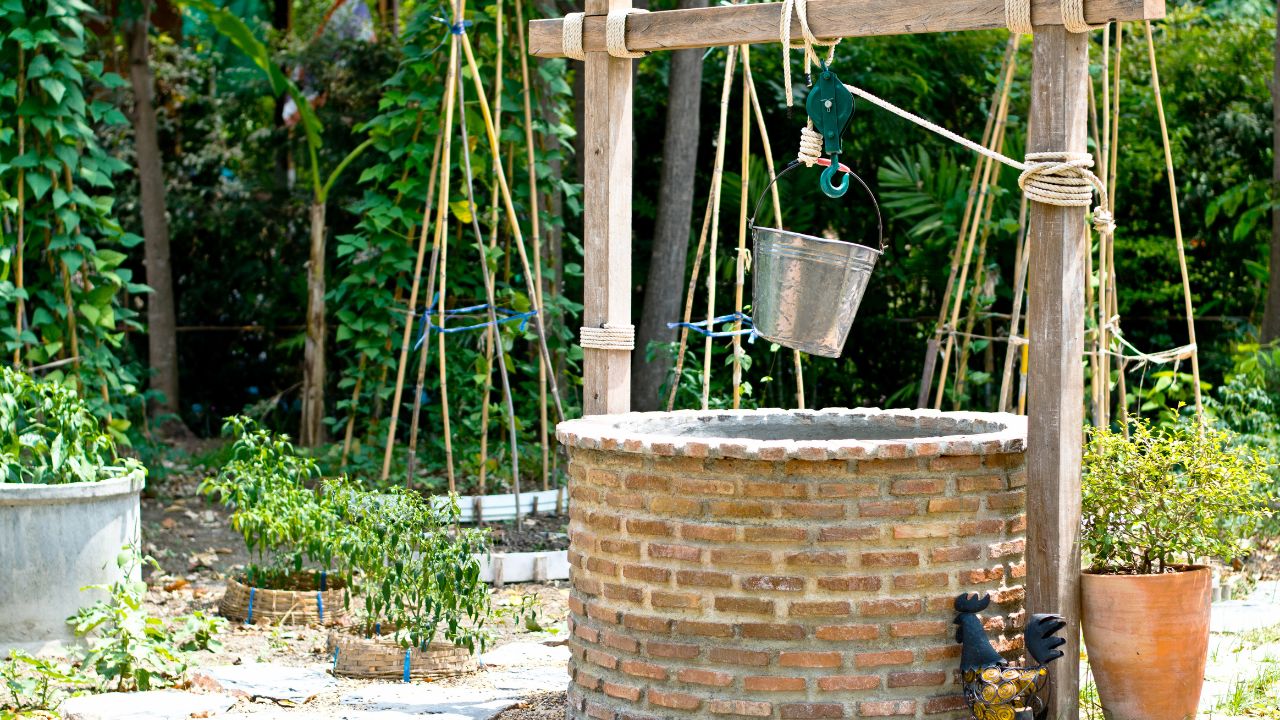
Therefore, the greater the depth required to reach the groundwater, the higher the total investment in the construction tends to be.
What influences the cost of a well?
There is no single price for this type of construction. Various factors can alter the final budget.
Among the main aspects that impact costs are:
- Type of land to be drilled;
- Depth required to reach water;
- Category of well chosen;
- Equipment used in drilling;
- Amount of labor required;
- Costs related to the regularization of the work.
Additionally, the excavation method adopted also has a direct influence on the costs. Manual techniques, performed with specific drills, usually have different costs from mechanized systems that use larger equipment.
Types of wells available for construction
Before analyzing costs, it is important to understand that there are different models of underground water capture. Each alternative has its own characteristics and may require different investments.
Shallow well
Also known by names such as cistern, caipira well, simple well, phreatic well, cacimba, or amazonas well, this model captures water directly from the water table.
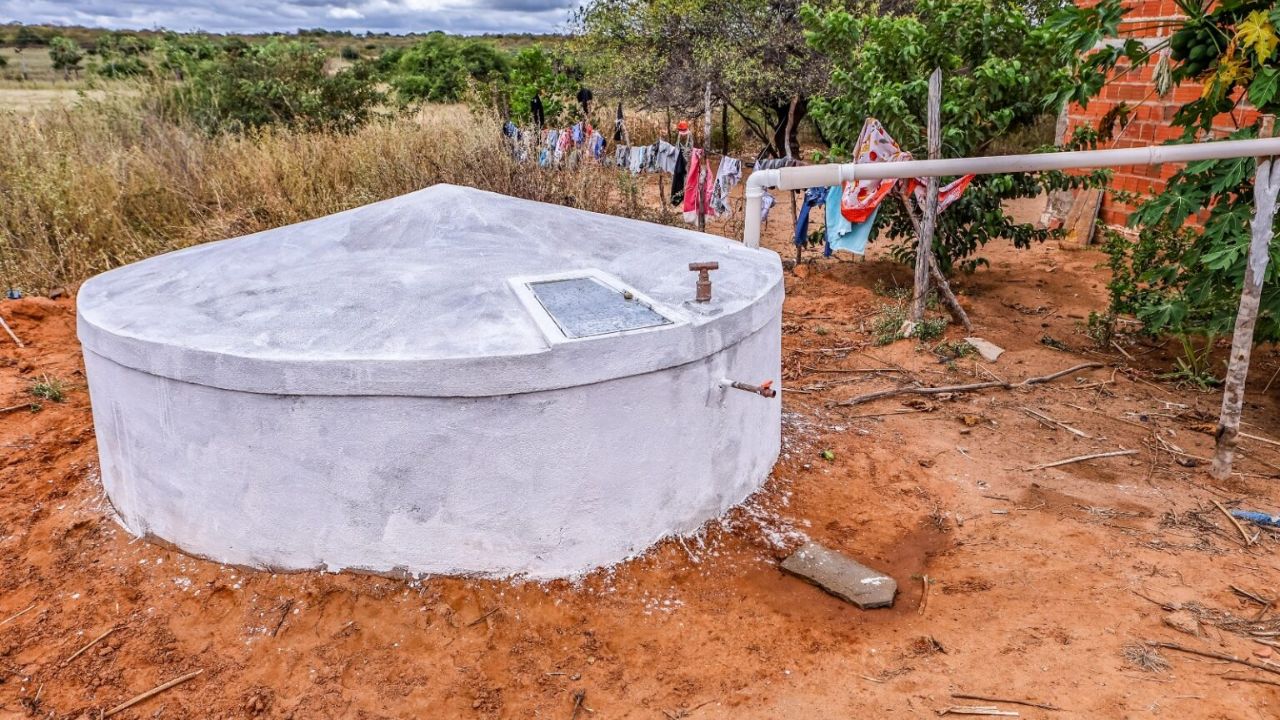
Its average depth is usually around 20 meters. In many cases, construction is done by excavation, although there are tubular versions executed by drilling and casing.
Artesian well
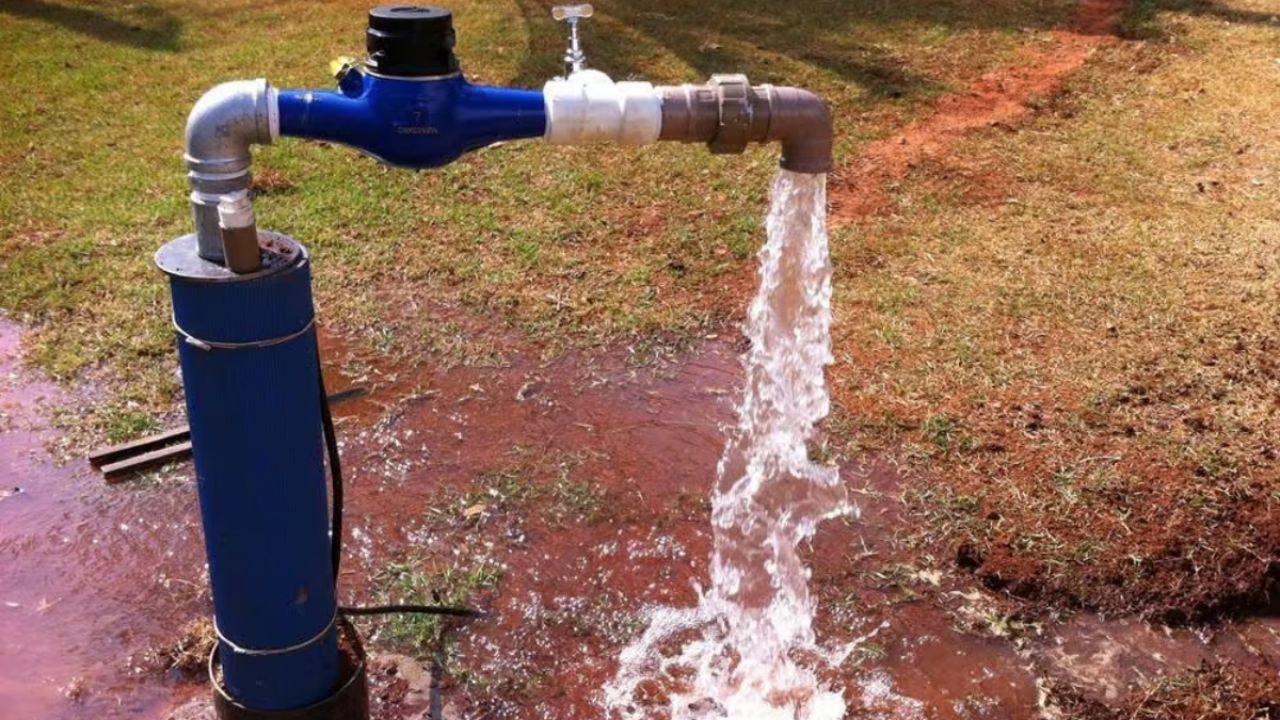
In this type of structure, water naturally emerges due to the pressure existing in the underground aquifer.


The main characteristic is precisely the absence of the need for pumping to bring the water to the surface, unlike what occurs in other models.
Semi-artesian well
Also called a non-flowing tubular well, it depends on the use of pumping equipment.
Although it is connected to a confined underground aquifer, the internal pressure is not enough to make the water rise on its own. Therefore, it becomes necessary to use a submersible pump for collection.
Building a well requires authorization
Many people focus only on the construction costs, but regularization is an equally important step. Drilling and using wells without authorization can constitute an infraction in Brazil.
According to Law 9.433/97, which established the National Water Resources Policy, various infractions and administrative penalties are provided for the irregular use of water. Before starting any service, it is necessary to seek information from the environmental agencies responsible for the municipality.
Depending on the location, additional procedures may also be required by state agencies. For this reason, specialists advise that the owner consults all specific requirements of the region where they intend to carry out the work in advance.
Technical standards must be respected
In addition to authorizations, the construction needs to follow technical rules established for this type of project. According to reports by Cronoshare, both the planning and execution of tubular wells must comply with the standards of the Brazilian Association of Technical Standards (ABNT).
The cited references are:
- NBR 12212 – Tubular well projects;
- NBR 12244 – Construction of tubular wells.
These requirements are part of the necessary process to ensure that the structure is built according to established standards.
Costs go beyond well drilling
When planning the budget, it is important to consider expenses that are not directly related to excavation. The procedures for regularization, issuance of licenses, and any authorizations required by the competent bodies can also generate additional costs.
Thus, the amount paid for drilling represents only a part of the total investment necessary to legally operate the system. Therefore, those who wish to build a well must analyze not only the construction prices but also all the bureaucratic and technical stages required for the project’s execution.
With values that can range from a few hundred reais to more than R$ 15,000, proper planning is essential to avoid unexpected expenses and ensure the regularization of the structure.
Source: Cronoshare