





 Portuguese
  English
  Spanish
  3 min of reading
  0 comments


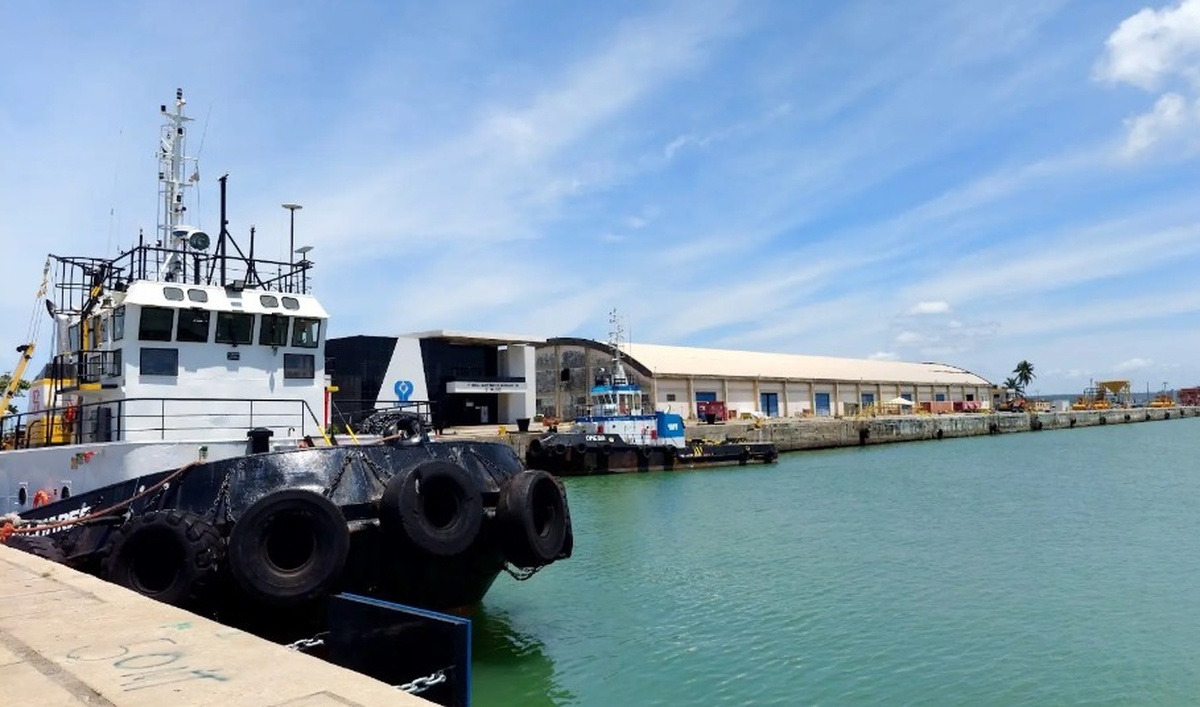
The Energy Transition of Brazilian Navigation and Ports Gained Scale After COP30, with National Programs, Global Goals, and Focus on Sustainable Competitiveness.
Since 2025, the decarbonization of the Brazilian maritime sector has gained strategic priority. During COP30, held in November 2025, in Belém, the country launched two central instruments. The National Port Decarbonization Program (PND-Portos) and the National Navigation Decarbonization Program (PND-Navigation) began to guide public policies and investments. Thus, Brazil aligned its agenda with the reduction of emissions in waterway transport.
At the same time, sector studies reinforced the urgency of the issue. A study by the Boston Consulting Group pointed to the global maritime industry as emitting thousands of tons of CO₂, which increases the pressure for change. Therefore, the debate gained strength in the country and advanced rapidly.
Under the coordination of the Ministry of Ports and Airports (MPor), the national programs aim to meet the goals of the International Maritime Organization (IMO). By 2050, the organization established net zero emissions for the sector. In addition, the IMO has made progress in charging fees per ton of CO₂ above defined limits. In this way, environmental efficiency and operational cost have started to go hand in hand.
-
Around 7,000 jobs are expected to emerge in Navegantes with a new billion-dollar order from Petrobras, which closed R$ 11 billion in contracts to build four hybrid propulsion vessels equipped with underwater robots for the pre-salt layer at the Santa Catarina shipyard.

-
Uncrewed and over 1,000 tons, new warship targets future naval operations

-
Ship that departed from China on March 30 arrives in Salvador with 44 containers, 1,550 metal pieces, and over 800 tons of equipment, marking the beginning of the largest bridge over the sea in Latin America, a mega-project of 12.4 km that will use unprecedented technology on the continent.

-
While modern pilots respect a minimum altitude of 300 meters, a P-51 flew under the Eiffel Tower chasing a Bf 109 in 1944.



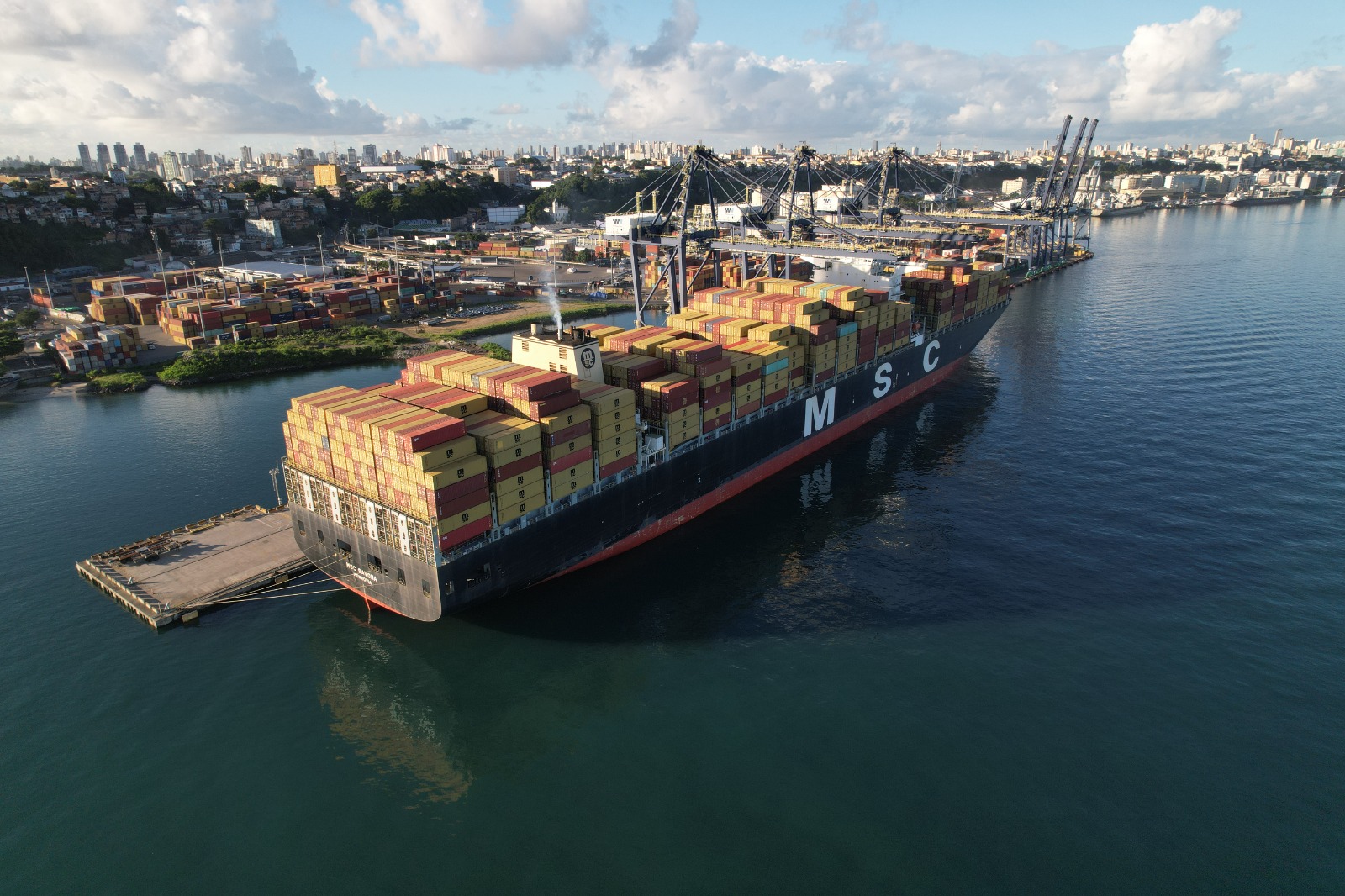

In practice, the initiatives encourage port electrification, providing clean energy to docked ships. At the same time, they promote reduction of fossil fuel use during operations. Consequently, environmental gains combine with greater regulatory predictability.
Meanwhile, Brazil appears as part of the energy solution. In September 2025, during events at the Brazil Climate Summit, in New York, the Boston Consulting Group highlighted the national potential. According to the study, Brazilian production of biodiesel can meet up to 15% of global demand in the maritime sector. Thus, the country reinforces its strategic position.
In this context, soy biodiesel presents a relevant technical advantage. According to the data, the fuel emits 48% less CO₂ per megajoule compared to traditional diesel. Therefore, the alternative contributes to climate goals without operational disruption.
Moreover, Liquefied Natural Gas (LNG) has already shown concrete results. During COP30, in 2025, vessels used as floating hotels were fueled with LNG. As a result, there was a 20% to 30% reduction in emissions compared to diesel. Thus, the technology has established itself as a transitional option.
In this scenario, corporate leadership is also manifesting. Thiago Nascimento, CEO of Maritime Ship Service, stated that sustainability is essential to the responsible development of the maritime logistics chain. According to him, COP30 put Brazil in the spotlight and accelerated practical actions to minimize environmental impacts.
Additionally, the regulatory framework has advanced. In June 2025, the government published the National Maritime Policy, through Decree No. 12.481/2025, in the Official Gazette. The text provides for measures for greenhouse gas reduction, waste control, and sustainable management of marine resources. Thus, the policy integrates environment, logistics, and development.
Still in 2025, MPor launched the Pact for Sustainability. The initiative recognizes port and navigation companies that adopt good socio-environmental and governance practices. As an incentive, participants can receive environmental seals, reinforcing voluntary commitments to the ESG agenda.
Beginning in 2026, therefore, decarbonization ceases to be just an environmental commitment. It becomes a strategy for competitiveness, innovation, and international leadership. With public policies, global goals, and energy potential, Brazil builds a solid foundation to transform ports and navigation efficiently and responsibly.









Be the first to react!