






 Portuguese
  Spanish
  3 min of reading
  2 comments


Chinese Archaeologists Made A Historical Discovery By Finding More Than 100 Terra-Cotta Soldiers In An Excavation Near Xi’an!
Archaeologists in China revealed the location of over 100 terra-cotta soldiers and other artifacts, adding new pieces to one of the largest puzzles in world archaeology.
The discovery is the result of excavations conducted by a team of specialists at the archaeological site of the Mausoleum of Qin Shi Huang, the first emperor of China.
The excavations, which began in 2024, took place near the city of Xi’an in Shaanxi Province.
-
After the divorce, a woman spent four years building a studio apartment with skylights, mirrors, a bathtub hidden under the sofa, and family mementos for a fresh start.

-
The “Rei do Bolão” of Fortaleza made 100 people millionaires at once in the Mega-Sena: the lottery office in Aldeota divided R$ 168 million in a pool and delivers a bet from São Paulo to Dubai.

-
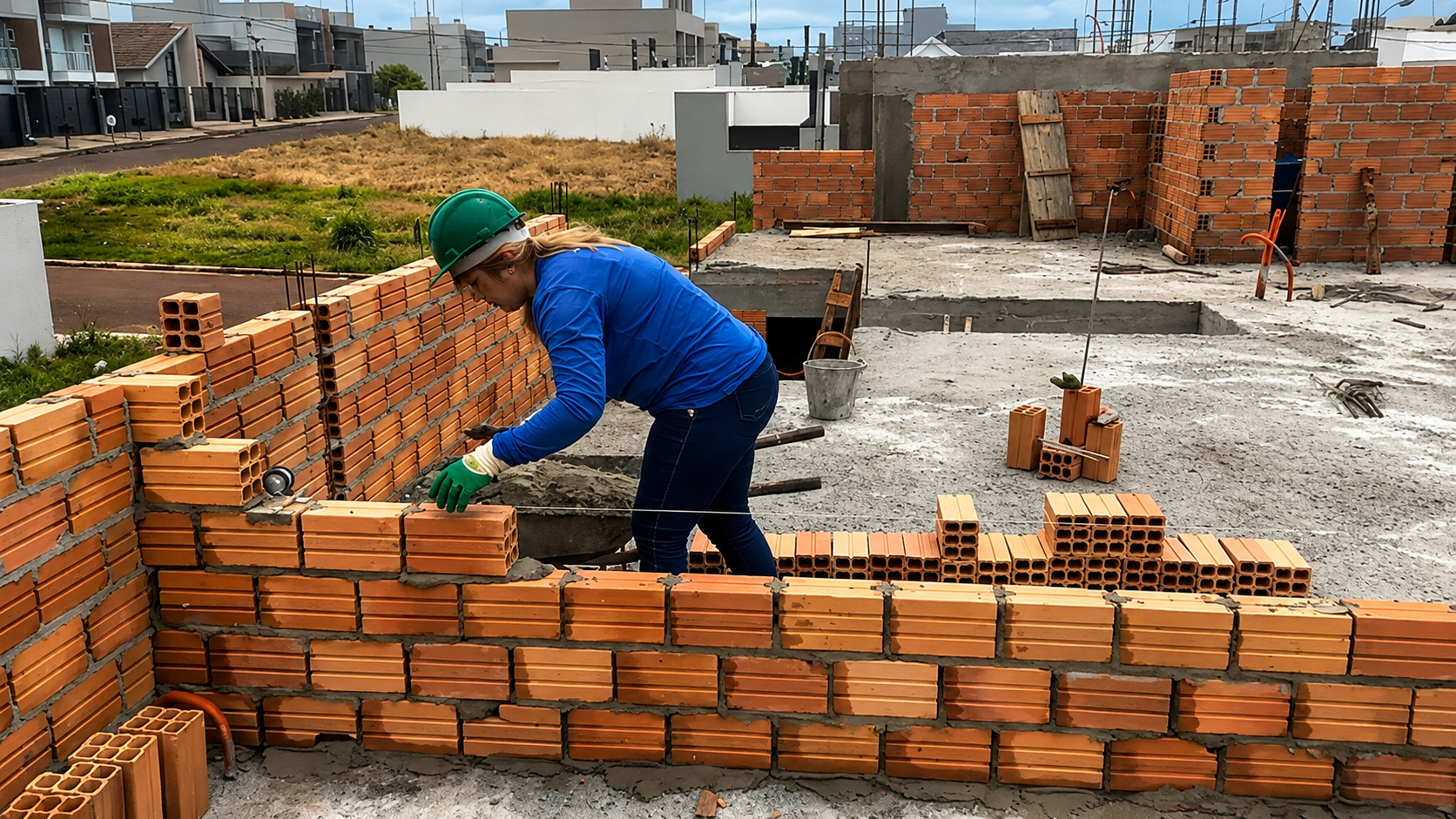
After swapping sewing for cement, a woman from Paraná became a mason, spent 12 years on construction sites, started building her own house, and even gained fame for restoring old Opalas.
-
Tired of relying on a conventional house, a young woman with no construction experience built an off-grid studio apartment with solar energy, rainwater, a biodigester bathroom, and a routine designed to live with more autonomy.



The team of researchers used advanced prospecting technologies, such as ground-penetrating radar, to identify the new finds in an area that is still being explored.
Each new clay warrior brings with it crucial details about the military organization and burial beliefs of the Qin dynasty, providing an unprecedented glimpse into one of the most fascinating eras of Chinese history.
The New Finds And The Identity Of The Subterranean Army
The new excavations have brought to light over 100 figures of terra-cotta warriors and horses. Additionally, objects made of jade and an innovative digital technology were found that offer a new perspective on the sophistication of pre-dynastic China.
Among the most notable finds is the discovery of a high-ranking officer. He was found in Pit 2, one of the three main excavation sites, and is the first clay general found in this pit in over 30 years.
The History Behind The Terra-Cotta Soldiers
The Terracotta Army is one of the most well-known archaeological wonders in the world. Its story began in 1974, when a group of Chinese farmers, while digging a well, accidentally stumbled upon fragments of pottery.
This accidental discovery revealed a gigantic mausoleum, built for the first Chinese emperor, Qin Shi Huang, who unified China in 221 BC.
It is believed that the emperor ordered the construction of an army of clay to protect him in the afterlife.
The scale of the work is impressive: it is estimated that the funerary complex may contain up to 8,000 warriors, as well as chariots, horses, and weapons.
The construction, which lasted about 40 years, mobilized around 700,000 workers. The complexity of each terra-cotta soldier is fascinating, as each figure has unique traits, including hairstyles, facial expressions, and detailed clothing.
Technology In The Excavation And The Challenge Of Preservation
The team of archaeologists uses cutting-edge technology to carry out the excavations and ensure the preservation of the finds.
The use of ground-penetrating radar and magnetic prospecting allows for the identification of new tombs and artifacts without the need for invasive excavations.
This caution is essential, as the simple act of digging can damage or even destroy what remains of the pieces.
One of the biggest challenges is preserving the original colors of the warriors. The figures were painted with vibrant pigments, but most have disintegrated with exposure to air after over 2,000 years.
However, new technologies are being tested to try to conserve the original polychromy, allowing future generations to see the terra-cotta soldiers in their original glory.
What Still Remains To Be Discovered?
The excavations at the Mausoleum of Qin Shi Huang are far from over. The total area of the funerary complex is 56 square kilometers, and most of it has yet to be explored.
Pit 1, the largest of all, has already revealed around 6,000 warriors and horses, but complete excavation may uncover an even greater number of figures.
Other mysteries also remain. The mausoleum of the emperor himself has not yet been opened. There is a legend that the emperor built an underground universe, with rivers of mercury and traps for invaders.
Out of respect and fear of damaging what may be inside, Chinese authorities have not yet authorized the opening of the tomb.
The discovery of more terra-cotta soldiers is a reminder that China’s past still has many secrets to be revealed.


É uma historia fascinante. Estivemos visitando essa obra e tivemos o privilegio de encontrar no local, um dos agricultores (YANG XIANIS) que achou as cerâmicas. Naquele dia ele estava autografando um livro que lançou sobre esta descoberta. e claro, autografou o nosso também. e ainda tivemos a chance de adquirir um replica de um general em cerâmica e despachar para o Brasil onde vivemos. Hoje a réplica esta em um sitio da nossa família.
Tive a oportunidade de visitar a China e estas relíquias. Foi maravilhoso
A vida me concedeu a sorte de visitar esse lugar, é simplesmente maravilhoso, algo muito além do que os sombrios castelos europeus.