Portuguese
  Spanish


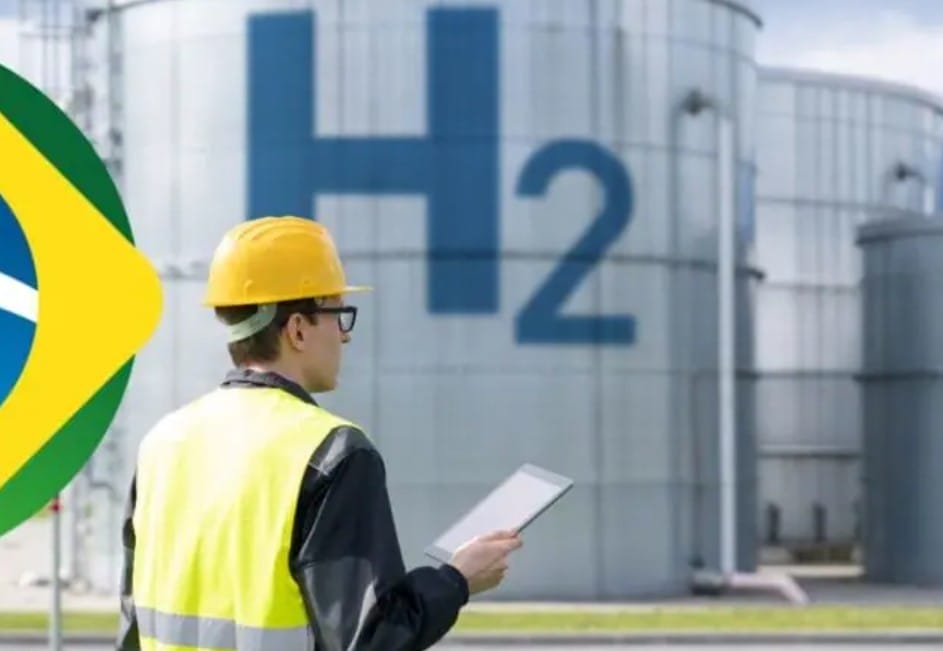

Discover the Green Hydrogen Portal: Information on Professional Careers, Clean Energy, Sustainable Technologies, and Job Market.
The green hydrogen is a clean and renewable energy source that has gained prominence in recent years. The production of green hydrogen involves the use of electricity from renewable sources, such as solar, wind, or hydroelectric, to separate water into hydrogen and oxygen through a process called electrolysis. This type of green hydrogen is considered more sustainable than gray hydrogen, for instance, which is produced from natural gas. The growing demand for green hydrogen has driven investments in sustainable technologies for its production at scale.
In addition to being a promising alternative for reducing carbon emissions, green hydrogen has emerged as a solution for storing surplus energy generated by intermittent sources, such as solar and wind. The search for clean and renewable energy sources has driven the development of sustainable technologies for the production, storage, and use of green hydrogen. The use of green hydrogen as fuel in sectors such as transportation and industry has the potential to significantly reduce greenhouse gas emissions. The production and use of green hydrogen are essential for the global transition to a low-carbon economy.
The Potential of Green Hydrogen
Green hydrogen has emerged as a promising source of clean energy and renewable energy. Thanks to sustainable technologies, it has been gaining more space in the energy market. Consequently, the demand for qualified professionals in this area has increased, opening new opportunities in the job market.
-
Over 60 Tractors Take to the Streets in Lopera as Solar Parks Compete with Olive Groves, Affecting 13,000 to 100,000 Trees According to Conflicting Reports

-
Green Hydrogen Projects in Northeastern Brazil Stalled for 18 Months Awaiting Government Decree, Delaying Billions in Investments
-
Brazil Concludes Largest Energy Auction in History, Secures 18.97 GW and Mobilizes $12.8 Billion to Ensure Supply Until 2031
-
How Norway Produces More Energy Than It Consumes with Nearly 1,800 Hydropower Plants and Over 1,100 Reservoirs


The production of green hydrogen involves the electrolysis of water, utilizing renewable energy, such as solar and wind. This makes the process even more sustainable, contributing to the reduction of greenhouse gas emissions. Moreover, technological innovations have spurred the development of new applications for green hydrogen, expanding its potential across various sectors of the economy.
Professional careers related to green hydrogen include energy engineers, researchers in sustainable technologies, as well as professionals in environmental and energy management. The job market in this segment is expanding and offers opportunities for those looking to be at the forefront of renewable energies. Therefore, investing in training in this area is essential to meet market demands and contribute to the energy transition.
In summary, green hydrogen represents an important catalyst in the transition to a more sustainable energy model. With the increasing demand for clean and renewable energies, working in this segment offers promising opportunities for professionals who wish to contribute to a more sustainable and innovative future.
Source: H2 Verde Brasil