Portuguese
  Spanish


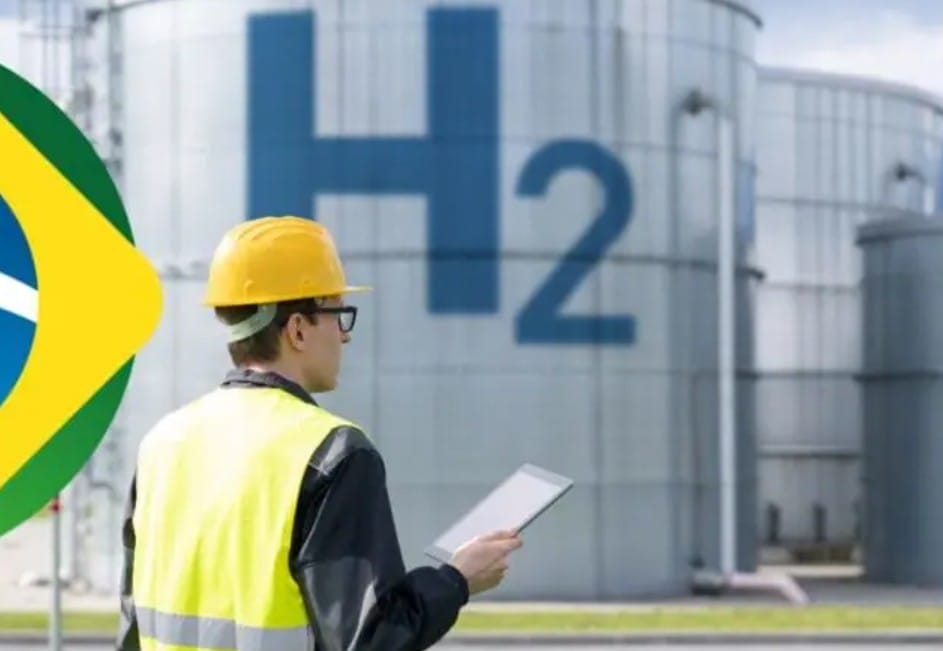

“Portal About Green Hydrogen: Information About Clean and Renewable Energy, Professional Careers, and the Clean Technology Market.”
Green hydrogen is a way to produce clean and sustainable energy, using production processes that do not emit carbon. The production of green hydrogen involves using renewable electricity to extract hydrogen from water, resulting in a clean fuel that can be used in various applications, from vehicles to industrial processes.
The demand for green hydrogen is growing as companies seek to reduce their carbon emissions and adopt more sustainable energy sources. With green energy production increasingly in focus, sustainable hydrogen stands out as a viable alternative for the energy transition. Investing in green hydrogen production is essential to meet emission reduction targets and promote a more sustainable future. Moreover, green energy production from sustainable hydrogen can boost the economy and create jobs in the renewable energy industry.
The Future of Professional Careers in the Renewable Energy Job Market
In the current global scenario, the pursuit of sustainable solutions that ensure the preservation of the planet has driven the development of clean technologies and renewable energies. In this context, green hydrogen stands out as one of the main alternatives for producing clean and sustainable energy.
-
Over 60 Tractors Take to the Streets in Lopera as Solar Parks Compete with Olive Groves, Affecting 13,000 to 100,000 Trees According to Conflicting Reports

-
Green Hydrogen Projects in Northeastern Brazil Stalled for 18 Months Awaiting Government Decree, Delaying Billions in Investments
-
Brazil Concludes Largest Energy Auction in History, Secures 18.97 GW and Mobilizes $12.8 Billion to Ensure Supply Until 2031
-
How Norway Produces More Energy Than It Consumes with Nearly 1,800 Hydropower Plants and Over 1,100 Reservoirs


The production of green hydrogen consists of obtaining the element from renewable sources, such as wind and solar energy, through processes that do not emit polluting gases. This makes it a promising option for the future of the planet, as it contributes to reducing carbon emissions and decreasing dependence on fossil fuels.
The growing interest in green hydrogen has also driven the job market, opening new opportunities for professional careers in the renewable energy sector. Engineers, chemists, technicians, and other professionals qualified to work in the production, storage, and distribution of green hydrogen are increasingly being sought after by companies that aim to innovate and adapt to the demands for sustainable energy.
As a result, a promising job market can be envisioned for those who invest in education and specialization in clean technologies and renewable energies. Furthermore, the advancement of green hydrogen may also stimulate the development of new industries and productive chains, creating positive impacts on the economy and job generation.
Therefore, it is evident that green hydrogen not only represents a solution for the energy transition towards a more sustainable future but also offers significant opportunities for the development of professional careers in the renewable energy job market. Investing in training and qualification in this segment can be a differentiator for those looking to stand out in a constantly growing sector.
Source: H2 Verde Brasil