Portuguese
  Spanish


Learn More About Pollination by Bees and Animals That Contributes Up to 25% of the Value of Brazilian Agribusiness Production.
A recent study by the Brazilian Agricultural Research Corporation (Embrapa) and the Brazilian Innovation Agency (Finep) reveals a surprising and vital fact for the national economy: pollination.
This discovery underscores the crucial importance of these living beings for food security and the economic sustainability of the country, as well as the urgent need for preservation policies.
The Silent Power of Nature in the Fields
The research, which analyzed the contribution of pollination to 69 agricultural crops such as soy, coffee, fruits, and vegetables, shows that the environmental services provided by pollinators, such as bees, birds, and bats, are an irreplaceable pillar for the productivity and quality of the food that reaches the table of Brazilians and is exported to the world.
-
India’s Sugar Export Cuts and Ethanol Shift Amid El Niño Threat Could Impact Global Prices and Stocks

-
Quarantine Pest Threatening Palm Trees Puts Brazilian Authorities on Alert, Prompts Monitoring at University of Taubaté and Potential Control Measures Across São Paulo
-
Global Alert: Report Finds 159 Pesticides in Coffee Beans Sold in Europe, Posing Serious Risks to Millions of Farm Workers
-
Low-Demand Brazilian Beef Offal Gains Popularity Abroad: Indonesia Purchases $19.5 Million, Boosting Revenue and Reducing Waste

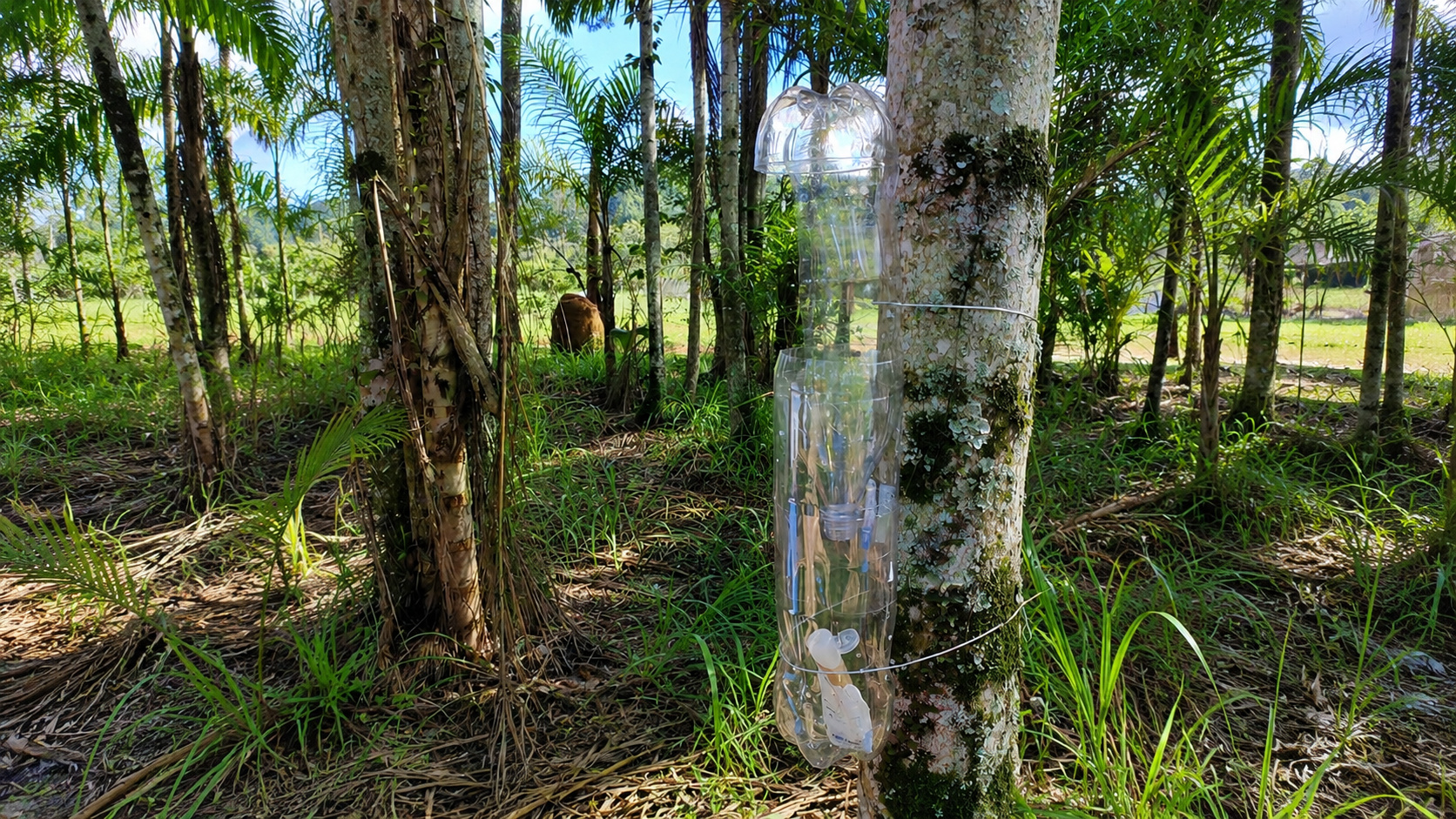


In financial terms, it is estimated that this contribution amounts to billions of reais annually, a value that often goes unnoticed in market analyses.
Pollination, a fundamental process for the reproduction of many plants, is optimized by the action of various animals.
Bees, in particular, are responsible for the majority of this service. Their decline in various regions of the world has raised alarms, and Brazil, with its vast biodiversity, is not immune to this concern.
The study points out that, without efficient pollination, the quantity and quality of certain agricultural productions would be drastically reduced, directly impacting the final price of products for consumers and the competitiveness of agribusiness.
Sustainability and Profitability Go Hand in Hand
The research reinforces the idea that environmental preservation is not a hindrance to economic development, but rather a driver for it.
Investing in sustainable agricultural practices that promote the conservation of natural habitats and the health of pollinators is, in fact, an investment in the profitability of the sector itself.
Measures such as reducing the use of harmful pesticides, creating ecological corridors, and diversifying crops are essential to ensure the continuity of this invaluable environmental service.
The data from Embrapa and Finep serve as a call to action for rural producers, public policymakers, and society at large.
Understanding the extent of the contribution of pollination by bees and animals to the economy and the environment is the first step towards developing more effective conservation and management strategies.
The future of Brazilian agribusiness, and the quality of the food we consume, increasingly depends on the harmony between human production and the services provided by nature.
What is your opinion on the relevance of this data for the future of Brazilian agribusiness?