






 Portuguese
  Spanish


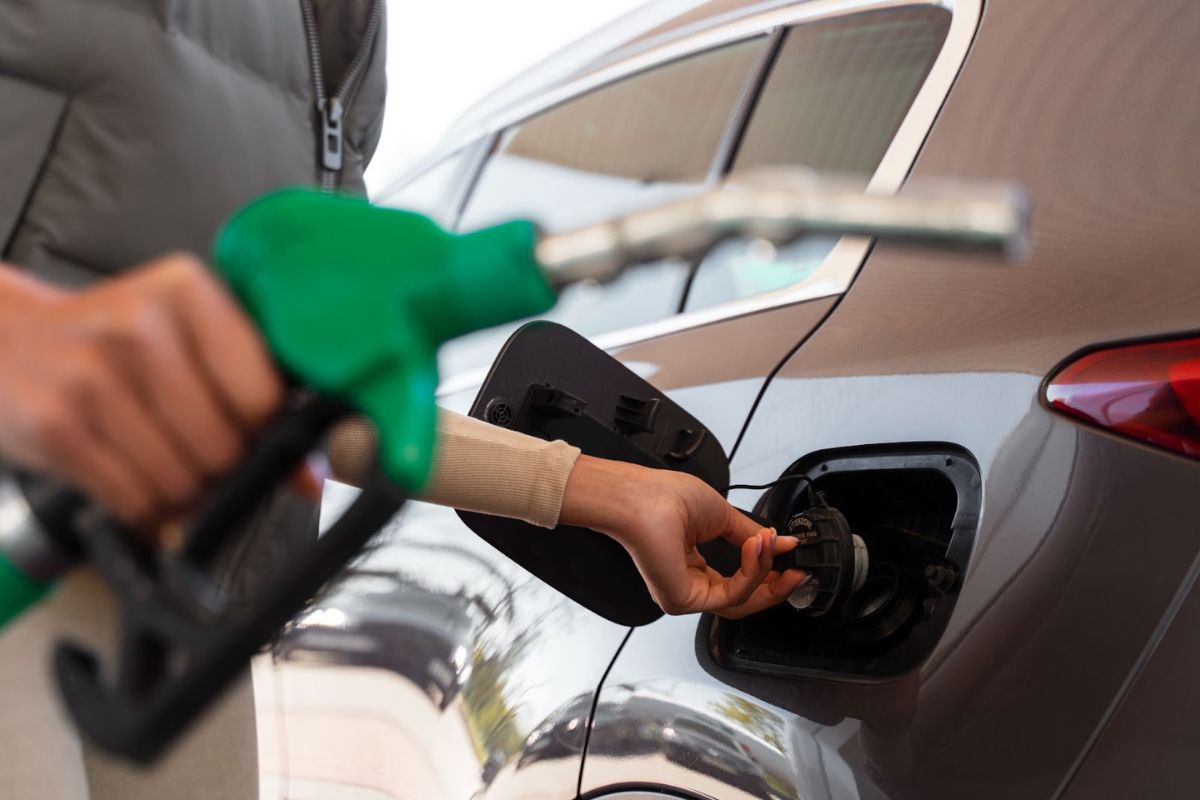

With an Easy Calculation, Discover Your Vehicle’s Real Consumption and See if Mechanical Issues or Your Driving Style Are Impacting Your Wallet.
Have you ever found yourself looking at the fuel gauge and thinking: “But I just filled up a little while ago…”? If so, you’re not alone. Many drivers feel that their car is consuming more than it should, but don’t always know how to confirm this. Moreover, few know how to calculate fuel consumption correctly.
This simple calculation can reveal mechanical problems, driving habits that impact your wallet, or even the right time to change cars. Next, you’ll learn how to evaluate your vehicle’s real consumption and what to do if it’s using more than it should.
Why Is Knowing Your Car’s Real Consumption Important?
Many people rely solely on manufacturer estimates or the numbers from the onboard computer. But this data doesn’t always reflect your routine use.
-
Brazilian Steel Giant Partners with USP to Develop 40% Stronger Rebar for World’s Tallest Residential Building in Brazil’s Senna Tower

-
Oil Prices Drop to $72 as 20 Million Barrels Pass Through Strait of Hormuz in 24 Hours, Easing Supply Fears but Regional Tensions Keep Market on Edge

-
Brazil’s Ministry of Justice Investigates CazéTV for Betting Ads During World Cup Broadcasts

-
Brazilian Retail Giant Americanas Faces $10 Billion Asset Freeze Amid Investigation into Hidden Debts


Knowing exactly how much your car consumes can help you to:
- Better plan your monthly fuel expenses;
- Identify possible mechanical issues;
- Compare your vehicle with other similar models;
- Adjust your driving style to save more.
With fuel prices continuously rising, every drop counts.
How to Calculate Fuel Consumption
According to tips from the portal Garagem360, the step-by-step is:
- Fill Up the Tank: Note the current odometer reading.
- Drive Normally: Use the car in your day-to-day activities.
- Refill Again Until the Tank is Full: Note how many liters were needed and the new mileage.
- Calculate the Consumption: Subtract the initial mileage from the final to determine how many kilometers were traveled. Divide this distance by the amount of liters refueled.
Example: if you traveled 420 km and refueled with 35 liters, the average consumption was 12 km/l.
This simple calculation already indicates if the car is performing as expected or consuming more than it should.
Difference Between Urban and Highway Consumption
The car’s consumption varies significantly depending on where you drive. In city traffic, with many stops and starts, consumption tends to be higher. On the highway, with constant speed, the car consumes less.
Therefore, it’s worth calculating separately:
- Urban Consumption: calculate on routes with traffic lights and heavy traffic.
- Highway Consumption: evaluate on trips with few stops.
This way, you can better understand the vehicle’s behavior in daily use.
My Car is Using Too Much Fuel: What Could It Be?
If you’ve done the calculation and found it to be high, it’s worth investigating. Here are some common causes:
- Dirty air or fuel filters
- Worn spark plugs
- Under-inflated tires
- Expired oil
- Faulty oxygen sensor
All of these can directly affect consumption. And the worst part: they often go unnoticed.
Other Factors That Influence Fuel Consumption
Several elements can affect your car’s consumption. Knowing these factors helps maintain efficiency and avoid unnecessary expenses.
Driving Style
The way you drive directly impacts consumption. Sudden accelerations, constant braking, and excessive speed increase fuel usage. Maintaining a steady speed and driving smoothly can improve efficiency.
Road Conditions
Steep inclines, bumpy roads, and heavy traffic require more from the engine, increasing consumption. Planning routes to avoid these conditions can be beneficial.
Vehicle Weight
Carrying excess weight, such as unnecessary luggage, increases the engine’s workload and, consequently, consumption. Avoid transporting heavy objects when not needed.
When Is It Worth Changing Cars?
If your car is consuming too much and maintenance costs are adding up, it may be time to consider a trade. Newer cars tend to be more efficient, especially those with flex engines and start-stop technology.


