Portuguese
  Spanish


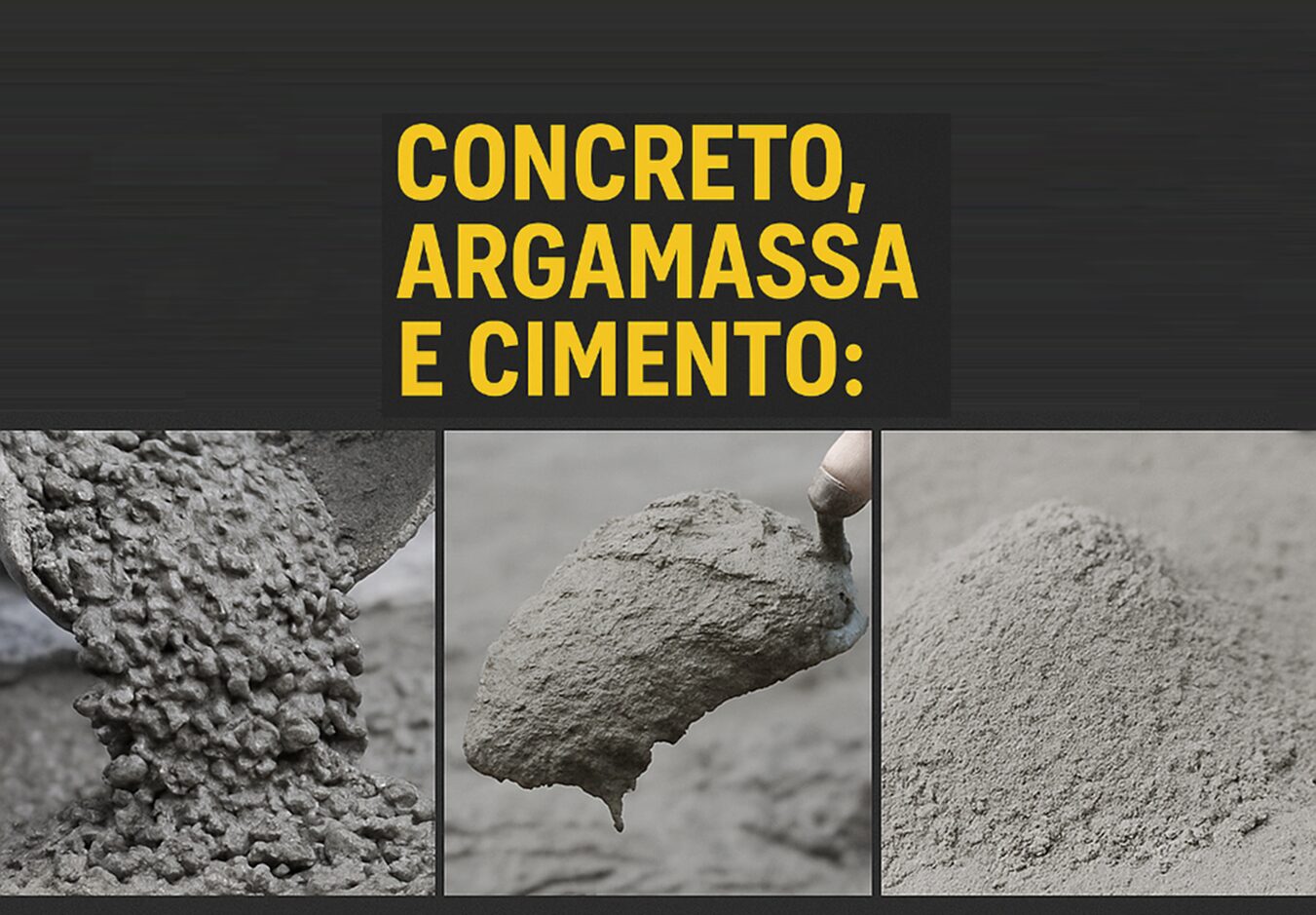


Knowing The Differences Is Essential To Choosing The Right Material When Building Or Renovating
In construction, many confuse concrete, mortar, and cement, believing they are the same thing. However, each of these materials has specific characteristics and distinct functions. Understanding these differences is essential to ensure the safety and quality of any construction project.
What Is Cement
Cement is a powdery material, composed of a mixture of limestone, clay, and other minerals. In practice, cement acts as a binder. It is responsible for uniting materials such as sand, gravel, and water in various applications in construction.
There are various types of cement, each developed to meet specific needs, varying in properties such as drying time, strength, and durability.
-
$134.7 Million Project in São Paulo Installs Over 5 Kilometers of Pipes, Creates New Underwater Crossing to Boost Water Supply for Over 450,000 People

-
At 61, Former Homeless Wheelchair User Receives Key to Container Home in Brazil, Declares Independence
-
São Paulo Highway to Receive Over $260 Million in Upgrades, Including 90 Kilometers of Service Roads and New Infrastructure, by 2027
-
Couple Transforms Abandoned Seaside Public Restroom Bought for £33,000 into £295,000 Beach House After a Decade of Renovations







What Is Mortar
Mortar comes from the mixture of cement, sand, and water. It is a material mainly used for joining bricks, blocks, and other masonry elements. Additionally, mortar is widely applied in wall and floor coverings.
This material provides not only finishing but also protection against moisture and infiltration, helping to preserve the structure of the building over time.
What Is Concrete
Concrete, on the other hand, is the result of the combination of cement, sand, gravel, and water. Its main application is in the construction of structural elements such as slabs, columns, beams, and foundations.
Because it is a material with high strength and durability, concrete is essential to ensure the stability and safety of buildings. Its proper use is one of the most important factors in any civil engineering project.
Importance Of Proportion And Choice Of Materials
A crucial point in using cement, mortar, and concrete is the correct proportion of the ingredients. The strength and durability of the materials directly depend on the quantity of each component in the mixture.
Moreover, the choice of cement type and the possible addition of specific additives can alter important properties, such as curing time and water resistance.
These precautions ensure that the material meets the project demands and withstands the conditions it will be subjected to.
Knowing the difference between concrete, mortar, and cement is essential for anyone looking to build with safety, quality, and efficiency.