Portuguese
  Spanish


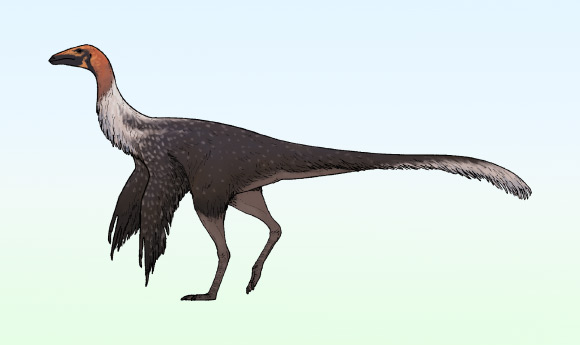


Discover the Mexidracon Longimanus, A New Dinosaur From Mexico With Specific Long Hands
A new species of dinosaur, the Mexidracon longimanus, has been discovered in Mexico, challenging previous knowledge about the diversity of ornithomimosaurs.
This dinosaur, which belongs to the family Ornithomimidae, is notable for its hands with longer specifications, with metacarpals (bones of the palm) longer than the metatarsals (bones of the leg).
The discovery was made in the Cerro del Pueblo Formation, in Coahuila, Mexico, and promises to add valuable information to the history of dinosaurs.
-
Cape Verde’s World Cup Surprise: Betting on Electric Cars, a 5 MW Solar Plant, and an Ambitious Plan to Transform Energy for 600,000 Residents

-
Man Finds 1,469 Ancient Roman Silver Coins While Metal Detecting in Romania
-
Young Brazilian Siblings Go Viral for Catching Giant Fish, Launch Sport Fishing Project
-
72-Year-Old Retired Professor from Rural Brazil Recites 247 Digits of Pi in One Minute, Setting National Memory Record


What Makes the Mexidracon Unique?
The Mexidracon longimanus stands out for its natural anatomical characteristics. The main one is the extreme elongation of the metacarpals, which are the bones responsible for the palm of the hand.
These bones are longer than the metatarsals, indicating that its hands were much larger and thinner than expected for dinosaurs of its kind. The palm, for example, was longer than the animal’s own arm.
These ingenious hands may have a functional explanation. Researchers suggest that the Mexidracon used its long hands to pull branches and bushes toward its mouth, much like tree sloths do today.
Additionally, it is also possible that these hands helped capture prey in the water, such as fish, since the dinosaurs lived in coastal areas and estuaries where the water was rich in marine life.
A Discovery In A Unique Environment
The Mexidracon was found in an estuary where the fauna of marine mollusks, such as oysters, was abundant.
The preservation of dinosaur remains indicates that it may have fed in coastal areas, exploring marine resources.
This detail helps to better understand the ecosystem in which the Mexidracon lived, as well as showing the diversity of environments inhabited by dinosaurs during the Late Cretaceous, around 73 million years ago.
Mexidracon And The Evolution Of Ornithomimosaur Dinosaurs
Ornithomimosaurs, like the Mexidracon, are known for their similarities to ostriches. These dinosaurs had small skulls, long necks, and elongated forelimbs but lacked hunting claws, making them different from other carnivorous theropods.
The discovery of Mexidracon increases the diversity of ornithomimosaurs found in the southern region of Laramidia, an area that today corresponds to parts of Mexico and the United States.
The study also suggests that this group of dinosaurs coexisted with deinocheirids, another clade of theropods with large size variations.