Discarded firefighter uniforms can enter textile recycling and become fire-resistant fabric, but each fiber requires control, testing, and maximum attention to team safety.
Discarded firefighter uniforms have ceased to be just waste when the Spanish company Hilaturas Arnau combined fibers taken from these garments with textile industry leftovers to create a new fire-resistant fabric.
The information was published on March 3, 2025, by the European Cluster Collaboration Platform, a European Commission platform for business collaboration. The material presents the conclusion of a project aimed at reusing fibers from clothing worn by firefighters.
This is not ordinary recycling. Firefighter clothing is made to withstand heat and flames, so it cannot be reused just because it still looks intact. Reuse must consider the condition of the fibers and the behavior of the new fabric in the face of fire.
-
Brazilian Designers Turn Urban Waste into Vegan Fashion, Diverting Nearly 1 Ton of Waste and Earning $2.2 Million in 2024

-
Farmer Discovers Rare Roman Mosaic in England, Unveiling Scenes from the Trojan War and Transforming British Archaeology After Decades of Mystery

-
Low-Cost Concrete Panel House Goes Viral: Investor Reveals Prefabricated Kit Structure for Around $1,500, Assembled in 30 Days, with Plans for Rental and Resale Income
-
Brazilian Lottery Winner Ordered by Court to Share $22 Million Jackpot with Ex-Partner, Sparking Major Legal Battle



The uniform that cannot return to the station
A garment used by firefighters needs to offer protection in risky situations. When its fibers no longer deliver the necessary performance, the piece is no longer suitable to return to team work.
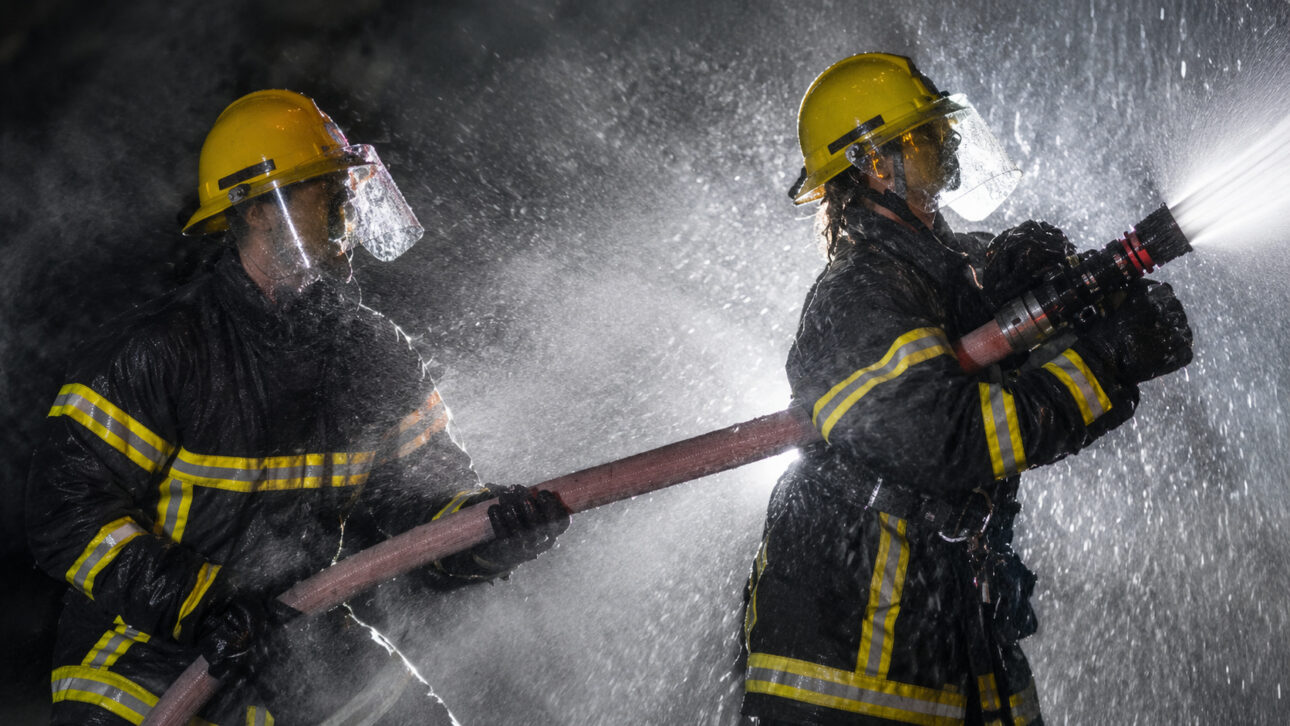
This disposal does not mean that all the material has lost value. Some of the fibers can gain a new industrial function, provided they go through a reuse route capable of preserving important fire resistance characteristics.
The difference lies in the final destination. The used uniform does not automatically return to the station, but it can become raw material for another fabric, with a purpose evaluated separately.
Textile recycling mixes used fibers and factory leftovers
Hilaturas Arnau used fibers from discarded firefighter clothing along with industrial textile waste that has not yet reached the consumer. These scraps arise during the manufacture of other materials and can be reused before becoming waste.
The mixture forms a new base for producing fire-resistant fabric. The process requires care because different materials can react in distinct ways to heat and flame.
European Cluster Collaboration Platform, a platform of the European Commission for business collaboration, detailed that the project combined fibers from used uniforms with textile waste generated before consumer sale.
The reuse of technical fibers prevents special materials from being treated as common waste. At the same time, it forces the industry to control the quality of the outcome before defining where this new fabric can be used.
Oxygen index of 45 shows the fabric’s reaction to fire
The project achieved an oxygen limit index of 45. This test shows how much oxygen a material needs to keep a flame active.
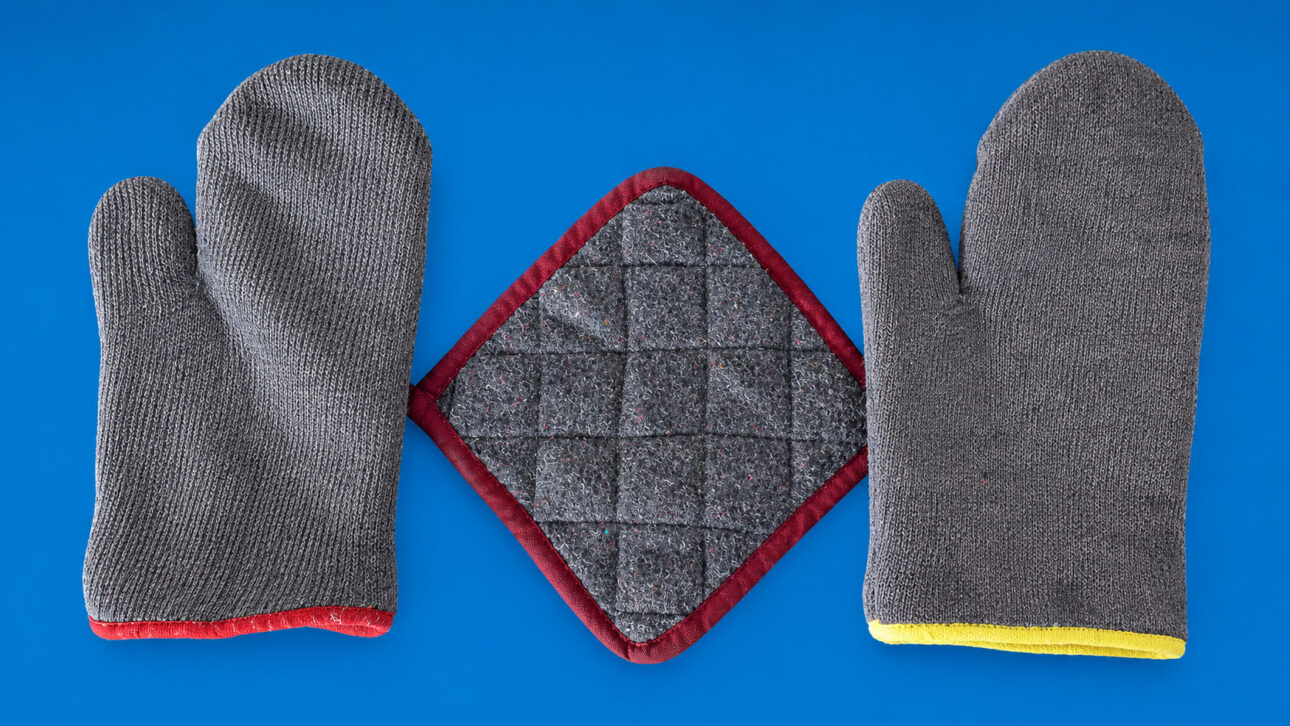
Materials with an index below 21 burn easily in normal air. Values above 26 indicate that the material tends to extinguish the flame on its own, without maintaining combustion easily.
The result of 45 shows a high resistance to fire within this type of measurement. However, this number alone does not summarize all the necessary conditions for a fabric to be used in a protective activity.
Why safety prevents improvised solutions
A fabric can show good fire resistance in tests and still require specific evaluations for the function it will receive. This difference is decisive when the material may come into contact with risk situations.
Safety certification verifies if a piece meets the requirements demanded for a specific activity. Without this confirmation, it is not correct to treat a recycled fabric as an automatic substitute for a professional uniform.
The publication about the project shows the creation of a new material from reused fibers. It does not present the direct return of discarded clothes for use by firefighter teams.
Fire-resistant fabric can reduce losses of special fibers
Textile recycling opens an alternative for materials that would normally have little use after disposal. In the case of firefighter uniforms, the difficulty is greater because the fiber needs to maintain characteristics related to flame protection.
The experience of the Spanish company shows that factory scraps and used fibers can enter a new production chain. The benefit lies in extending the use of technical materials without ignoring the care required by a sector linked to safety.
The most important point is simple: repurposing does not mean improvising. The new raw material needs to be analyzed before being used in any application involving heat, fire, or risk to workers.
Discarded firefighter uniforms can stop occupying space as waste and return to the industry as fire-resistant fabric. The result depends on separation, testing, and control, because a technical fiber cannot be treated like a common fabric.
What type of control should be mandatory before a recycled fabric is used in any risk activity? Leave your opinion in the comments and share this post.