Portuguese
  Spanish


Video from the ZN BRIQUE channel, published on 10/19/2025, shows a concrete panel house made with a prefabricated kit costing around R$ 7,900 per unit, interlocking pillars, 5 cm panels, sandwich roof, and assembly in 30 days, aiming for temporary rental, resale, and passive income.
The concrete panel house shown by the ZN BRIQUE channel became a topic due to the low cost of the prefabricated kit and the quick assembly. In the video published on 10/19/2025, the investor states that each set of panels for a house cost around R$ 7,900, including pillars and parts for the structure.
The content does not present the final total cost of the completed work with all finishes but details the system used, the assembly time, and the owner’s strategy. The proposal combines prefabricated construction, short-term rental, and possible resale, without treating the model as a perfect solution for every plot or buyer.
Prefabricated kit is the center of low cost
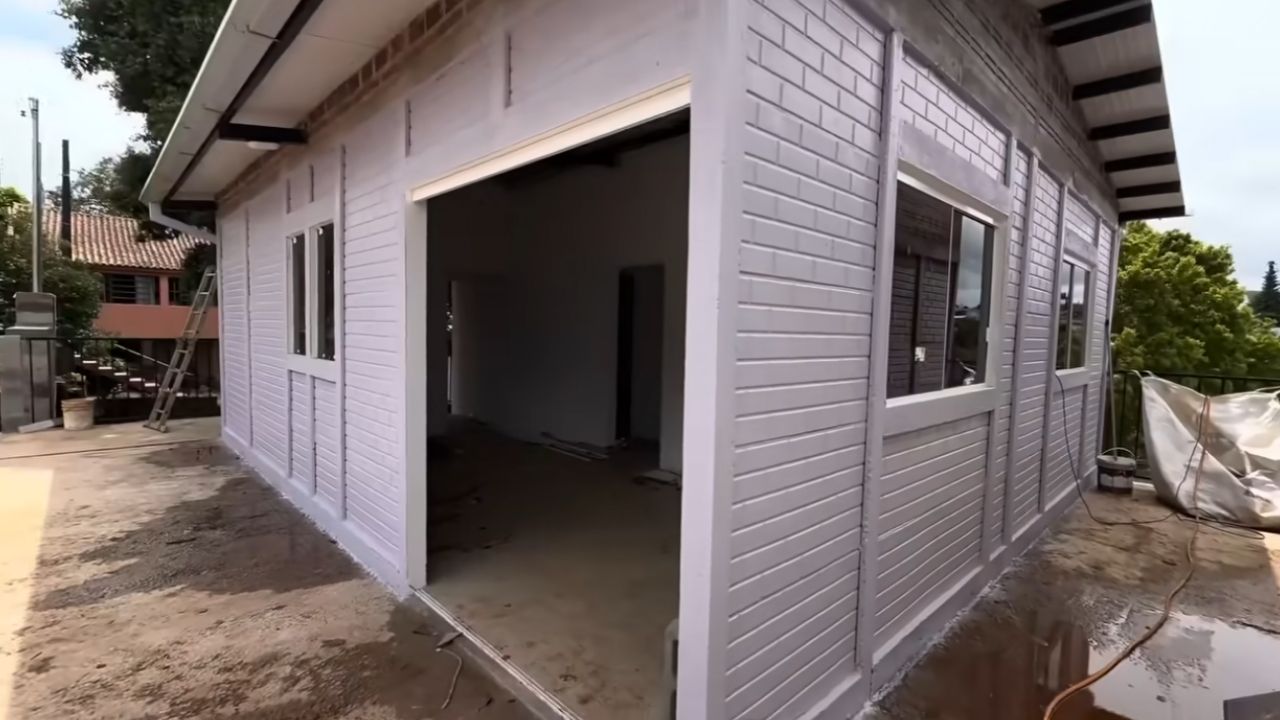
The main point of the concrete panel house is in the structural kit. According to the video, the prefabricated panels come with pillars, including points for electrical, allowing wiring to be installed after assembly.
-
Polymeric Mortar Revolutionizes Brazilian Construction with Efficient, Clean Application and Uniform Finish

-
Biologist Builds 160m² Dream Home in Brazil for $32,000 Using Eco-Friendly Bricks, Achieving 67% Savings Through Smart Planning and Simple Solutions

-
Brazilian Lottery Winner Ordered by Court to Share $22 Million Jackpot with Ex-Partner, Sparking Major Legal Battle
-
Modular Home in Southern Brazil Offers Quick Assembly, Thermal Insulation, and Ready-to-Install Bathroom for $4,000



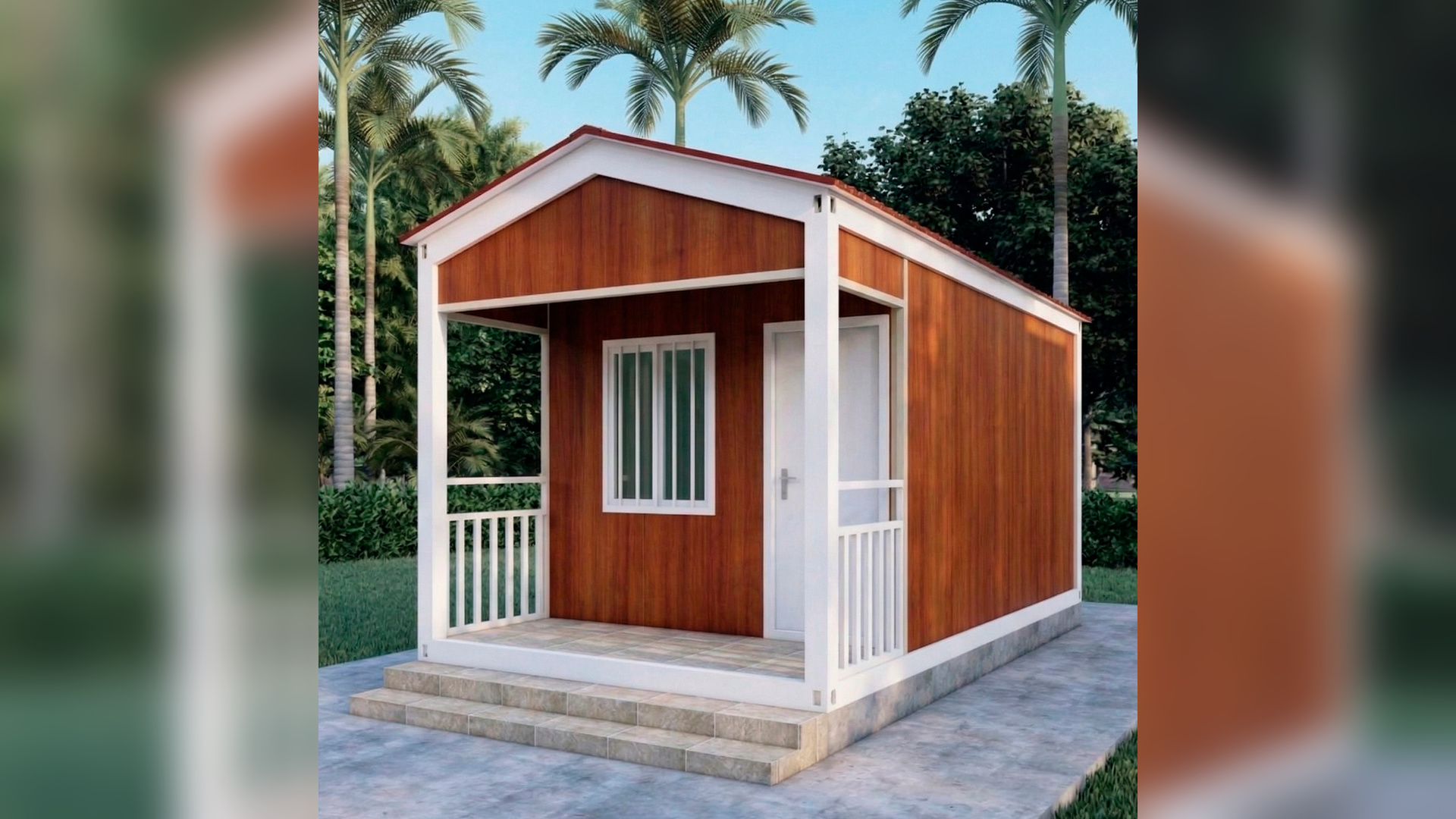
The investor states that the kit had enough quantity for a house with two bedrooms, a bathroom, integrated living room and kitchen, and a laundry room. The mentioned value of around R$ 7,900 refers to the panels of each house, not necessarily the total cost of the completed dwelling.
System uses fixed pillars and interlocking panels
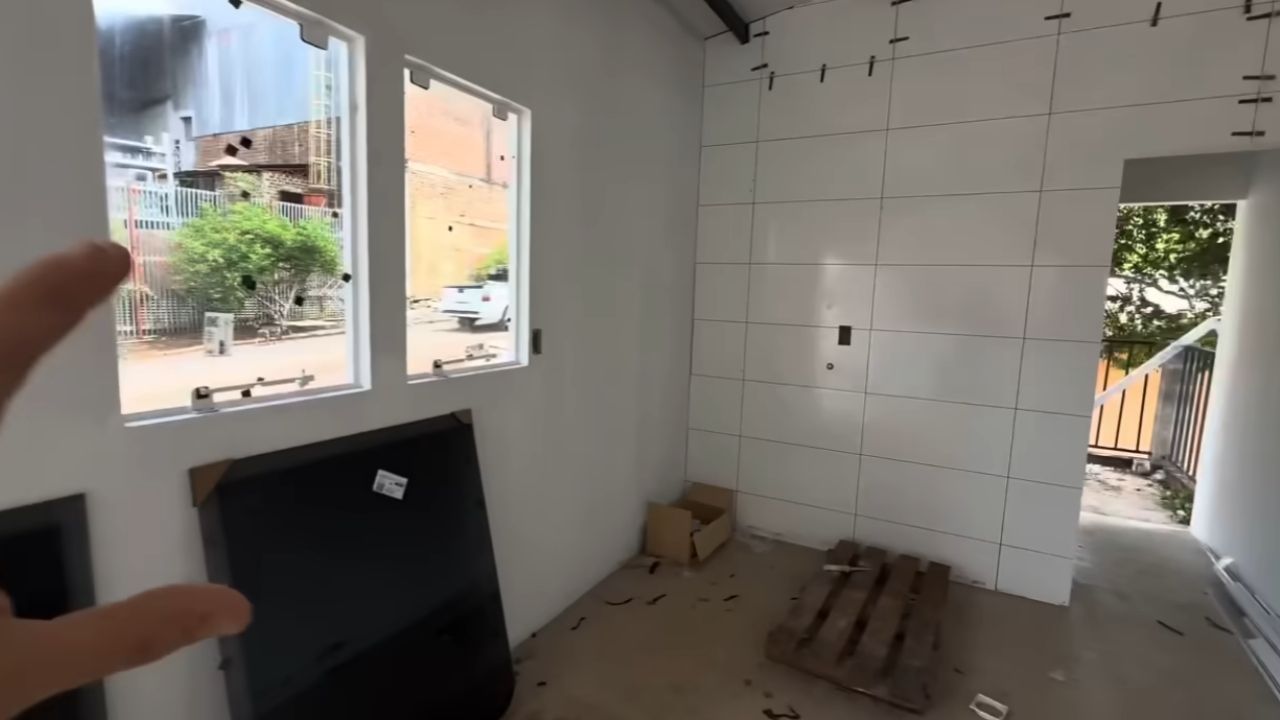
The assembly described in the video follows a simple logic: first, the pillars are fixed at the correct level; then, the concrete panels are fitted between them. The owner explains that the bricklayer made a beam and, from it, executed the system assembly.
This method resembles pre-molded structures used in warehouses, pharmacies, and commercial buildings, but applied to small houses. The difference lies in taking a known fast construction technique to a low-cost residential format.
Assembly in 30 days draws attention on site
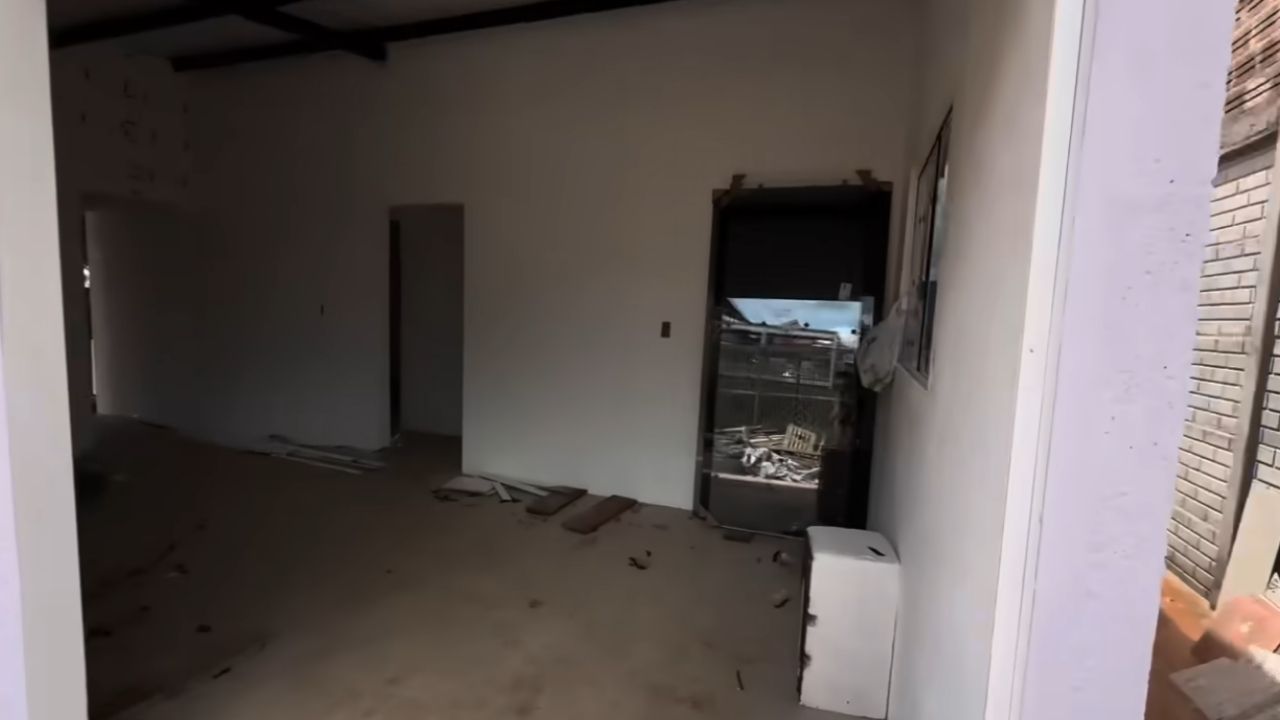
One of the strongest pieces of information in the video is the 30-day deadline to have the house assembled. The investor states that the process was quick and that the first bricklayer consulted managed to execute the installation, even without specific prior experience with this system.
Even so, the statement needs to be read with caution. Assembling the structure in 30 days does not automatically mean delivering a fully finished, legalized, and ready-to-live-in house in all contexts. The mentioned deadline refers to the progress of the construction shown in the video, with subsequent stages such as painting, openings, flooring, and finishes still counting in.
Finishing defines whether the house becomes cheaper or more comfortable
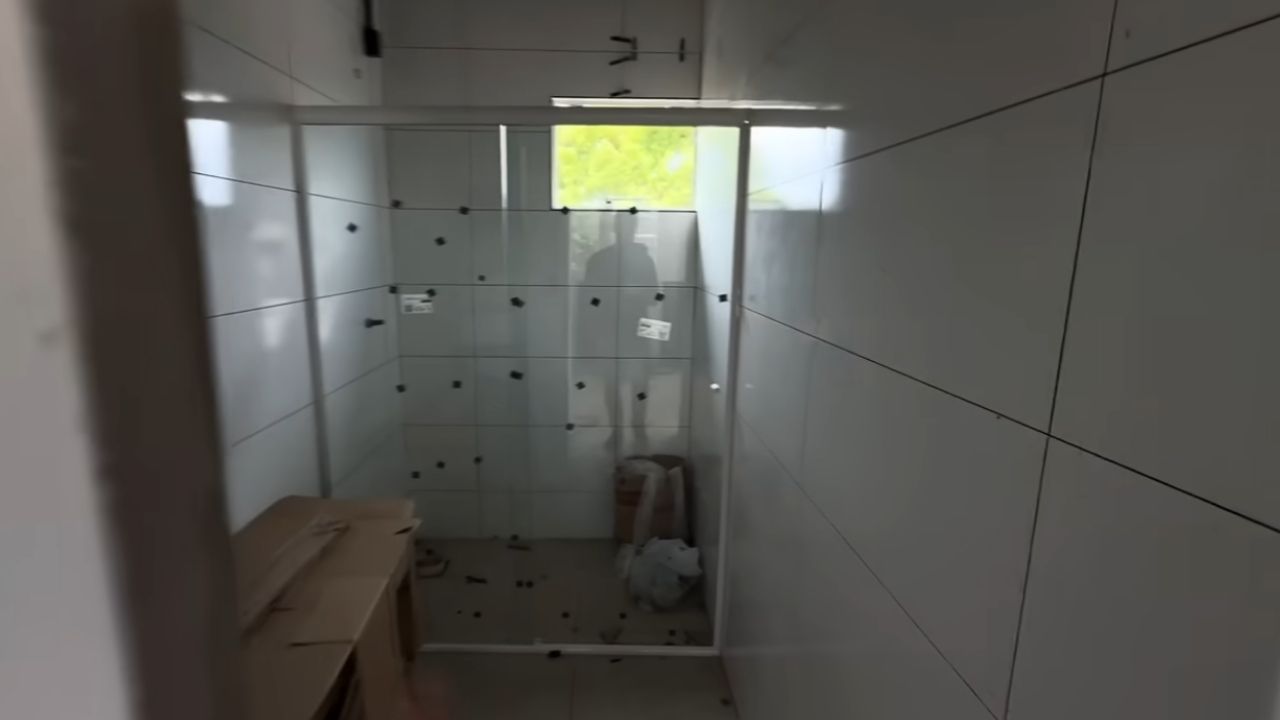
The owner explains that, for rental purposes, a lower-cost strategy would be not to do internal plastering, only apply texture to disguise the appearance of the panels, use a brasilite roof, and choose common ceramic flooring. This decision would reduce the investment.
On the other hand, he also shows units with paint, installed openings, flooring, and other finishes. The system allows for cost reduction, but each choice of finish changes the final result, comfort, and perceived quality of the house.
5 cm Panels Require Attention to Acoustics
The video does not present only advantages. The investor himself cites a possible disadvantage: the panels are 5 cm, and this can affect the thermal-acoustic issue, especially in partitions between environments or very close houses.
He states that light objects, like pictures, can be fixed normally, but heavier pieces may require passing through the panel and using fixation on the other side. This type of detail shows that the concrete panel house has its own logic and should not be treated as a disguised conventional construction.
Sandwich Roof Appears as Thermal and Acoustic Reinforcement
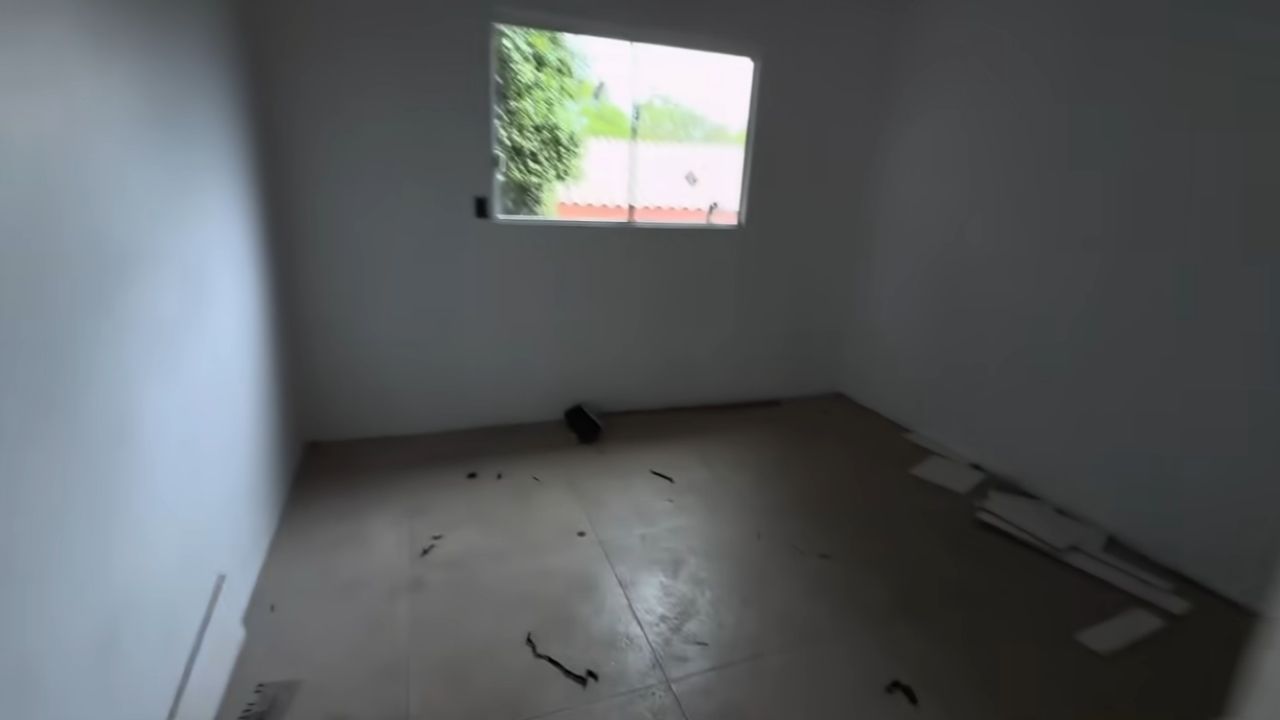
In the shown construction, the roof uses a sandwich tile, described by the investor as an option with a layer of styrofoam and metal, also functioning as a ceiling. According to him, the tile helps in thermal and acoustic performance, reducing the passage of heat and cold.
This detail is important because it compensates for some of the possible limitations of the panels. In an economical construction, the final performance depends on the sum of the wall, roof, floor, ventilation, openings, and internal finish.
Strategy Mixes Temporary Rental and Resale
The investor makes it clear that his main business is buying houses, renovating, and selling them. In the case of panel houses, he states that he intends to put the units up for sale when they are ready, but may rent them out while the sale does not happen.
The logic is financial: if the sale takes time, the rent generates a return during the waiting period. The property functions as a product for resale and, at the same time, as an income asset, as long as there is local demand and proper management.
Passive income appears as a goal, not a guarantee
The video uses the idea of passive income to explain why small rental houses can be interesting. The investor says that a few units wouldn’t change his reality much, but a larger number of houses could generate more significant returns.
This point needs to be handled with balance. Rent can generate recurring income, but it also involves maintenance, vacancy, default, taxes, regularization, and administration costs. Passive income from property is never completely automatic; it depends on the balance after all costs.
Supplier requires caution to avoid scams
The owner states that he learned about the system through a supplier in Paraná, where he saw a condominium being built with panels. Later, when trying to pass on the contact, he said the factory had closed.
Therefore, he advises looking for suppliers in marketplaces but warns against scams. The recommendation mentioned in the video is to check already completed projects, pay cautiously, and, if possible, purchase the material separately and outsource the installation. The choice of supplier is one of the most sensitive points of this type of construction.
Cheap house doesn’t mean house without limits
The concrete panel house draws attention due to the low cost of the kit, the speed, and the possibility of use for rental or resale. However, the video itself shows that the system has adaptations: internal finishing, acoustics, object fixation, roof choice, and supplier quality need to be evaluated.
The main advantage is in the quick construction and the lower initial cost of the structure. The main caution is not to confuse the price of the panels with the total cost of a ready, regularized, comfortable, and durable house.
What this model reveals about popular construction
The case shown by the ZN BRIQUE channel reveals why pre-fabricated concrete panel houses generate so much interest: they promise quick construction, simple structure, and lower initial investment for those who want to build, rent, or resell.
The question is whether this model can grow safely and with quality in more cities. Do you think a concrete panel house can be a real alternative for housing and income, or does the low cost still require too much caution with the supplier, finishing, and comfort? Leave your opinion in the comments.