Portuguese
  Spanish


The social café Change Please shows how coffee sold every day in the UK can turn into professional training, a living wage, housing support, and a real job opportunity for homeless people trying to rebuild their lives
Disturbed by people sleeping on the streets of the UK, the social café Change Please created a model that transforms coffee into a pathway to work. The initiative trains homeless people as baristas, pays a living wage, and offers housing support.
The information was released by Social Investment Business, a British social investment organization. The project combines coffee sales, professional training, and social support for people who need to get out of the homeless situation.
The number that supports the strength of the initiative is striking: 286 participants were trained as baristas in the last two years. Among the graduates, more than 79% secured continuous employment.
-
Bruno Guimarães, 28, Misses Crucial Penalty Against Norway in World Cup After Replacing Vinicius Jr.

-
Inspired by a school lesson on Africa’s water crisis, a young boy raised money through chores to fund a well that transformed a Ugandan community.

-
Brazilian Construction Worker Moves to France, Earns Up to €2,500 Monthly with Home Renovations, Gains Social Media Attention

-
US Navy Sinks USS Oriskany with 230 kg of C-4, Creating World’s Largest Artificial Reef in 37 Minutes




How the training that transforms homeless people into baristas in the UK works
Change Please uses coffee as a starting point for practical change. The person served enters a training process to work as a barista, the name given to the professional who prepares and serves coffee.
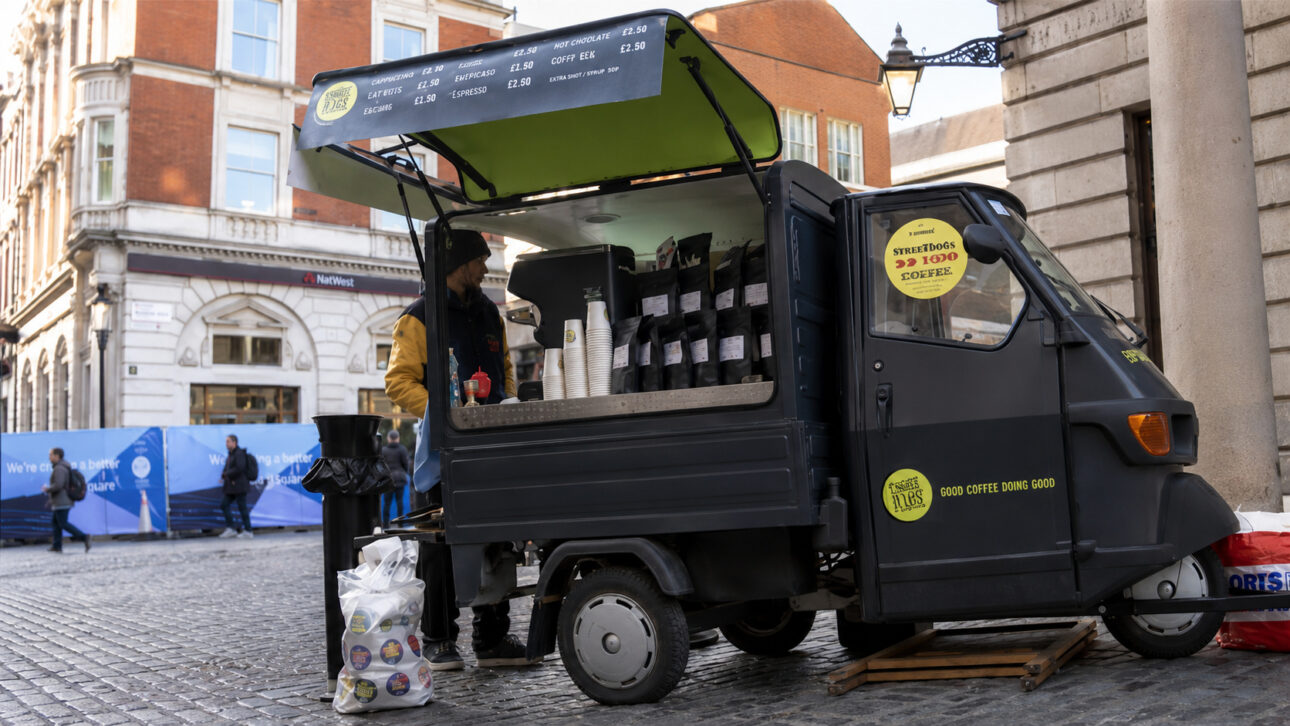
This learning may seem simple, but it opens important doors. Working in a café involves customer service, beverage preparation, routine with clients, and professional discipline.
The proposal is not limited to the counter. The model also includes housing support, support, and training, essential factors for those trying to reorganize their lives after living on the streets.
Why the barista profession can be a gateway to continuous employment
Being a barista can serve as a first step because it is a profession linked to a sector present in the daily life of cities. Cafés, kiosks, and food businesses need people prepared to serve and produce beverages.
For those who have been out of the market, this type of training helps to regain routine, income, and confidence. The training also creates a concrete experience to put on the path back to work.
The greater impact appears when the training comes along with a decent salary and social support. Without this support, a job may not be enough to keep a person off the streets.
How much Change Please has trained and why the result draws attention
Social Investment Business, a British social investment organization, provided the central data of the initiative. Change Please has trained 286 participants as baristas in the last two years.
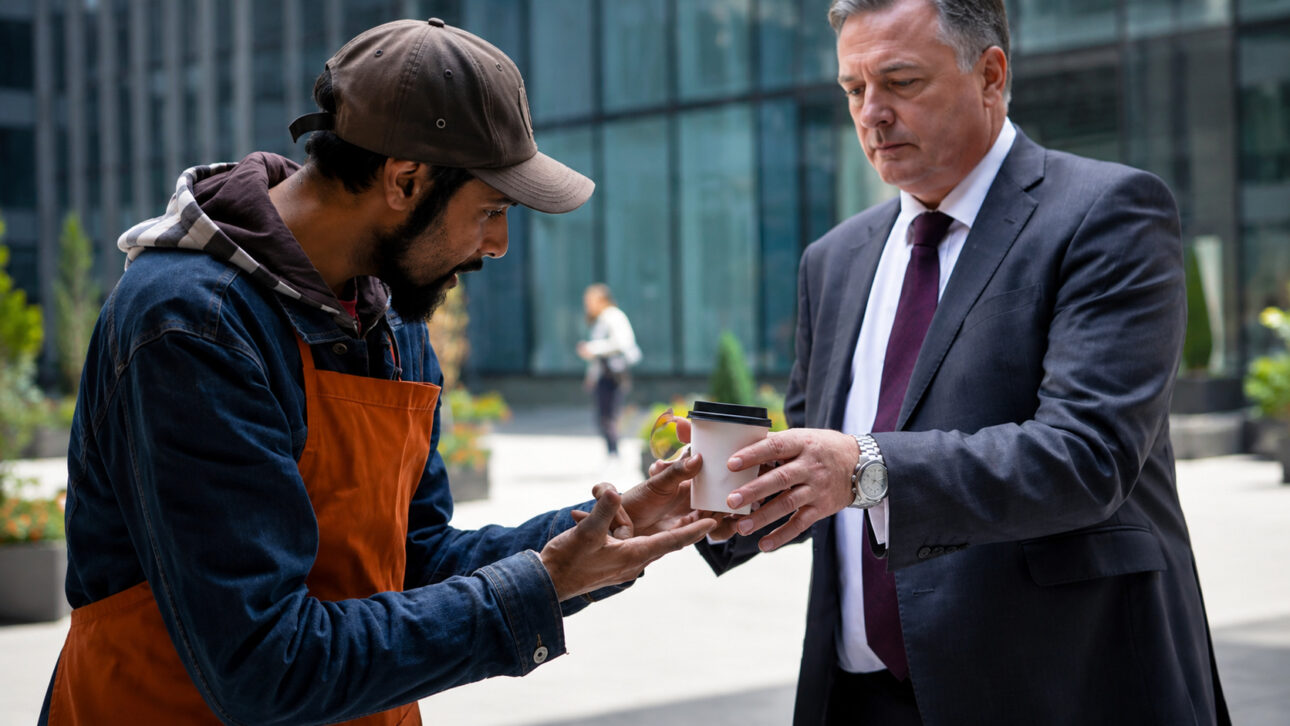
The strongest result is in job continuity. More than 79% of graduates secured continuous employment, indicating that the training doesn’t end just with coffee preparation.
This data helps explain why the model sparks interest. The social café transforms a common habit, buying coffee, into part of a solution for employment, income, and social reintegration.
The coffee sold every day becomes support for those trying to get off the streets
Coffee is a common product, bought by millions of people without much thought. In the case of Change Please, each cup enters a different logic because it helps sustain training and support for people experiencing homelessness.
The strength of the idea lies precisely in its simplicity. The consumer buys something that is already part of the routine, while the social café uses this movement to fund opportunities.
The project shows that social impact doesn’t need to be distant from everyday life. It can be at the counter of a café, in customer service, and in the training of a person seeking to start over.
What this model teaches about work, housing, and starting over
The initiative reinforces an important idea: employment and housing need to go hand in hand when it comes to getting off the streets. A person experiencing homelessness faces obstacles that go beyond the lack of income.
Therefore, the support offered by Change Please combines different fronts. There is training, a decent salary, support, and access to housing, creating a firmer foundation for rebuilding life.
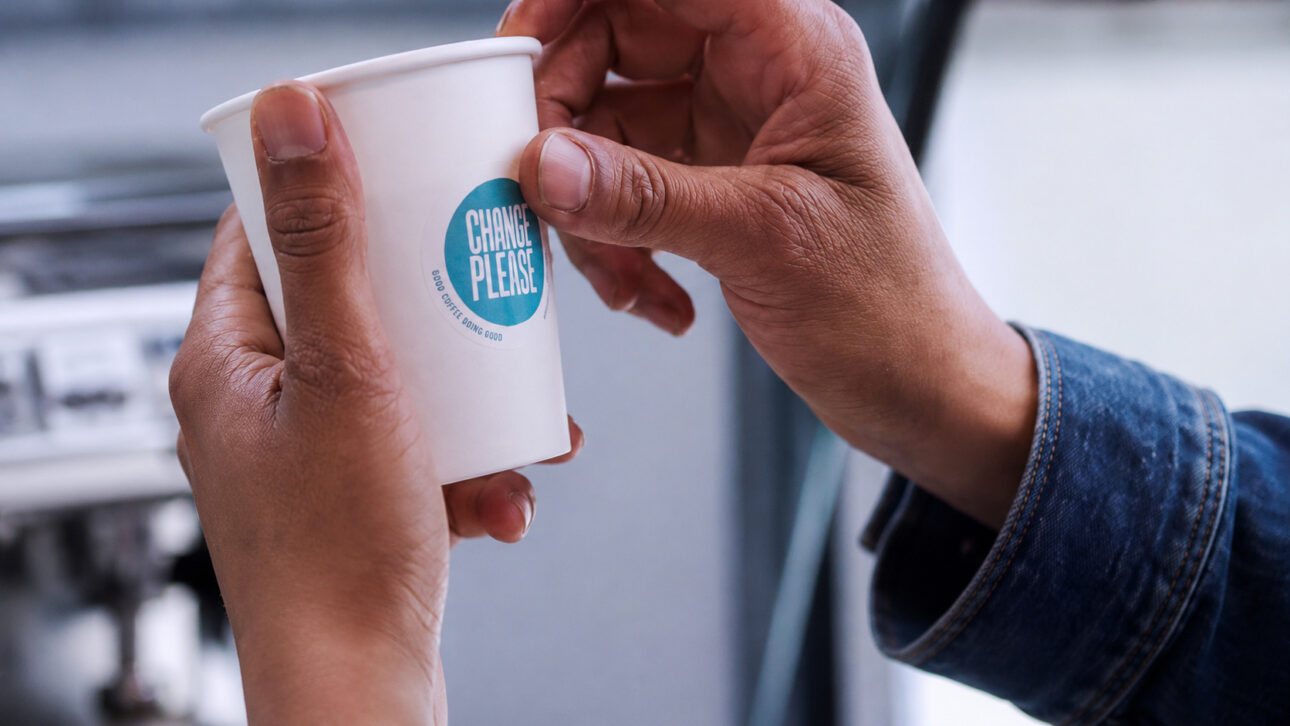
This type of model gains strength because it does not treat the person merely as someone in need of immediate help. It creates a path to autonomy, with work and follow-up.
The model could inspire similar solutions in Brazil
In Brazil, many cities also coexist with people sleeping on the streets and difficulty entering the job market. The case of the United Kingdom shows how a social business can unite consumption, training, and support.
The main inspiration is not just in the coffee. The most important point is to transform a daily activity into a tool for training and income for those who need a new chance.
A similar model would only make sense with a real support structure. The data of more than 79% of graduates in continuous employment shows that the result depends on training, follow-up, housing, and a decent salary.
Change Please has transformed a cup of coffee into a bridge for new beginnings. The project has already trained 286 participants and shown that work, social support, and daily consumption can go hand in hand.
When a common purchase helps someone get off the streets and back into the market, the impact ceases to be invisible. Would you pay for a coffee knowing that it can finance the training and employment of a person trying to rebuild their own life?