Portuguese
  Spanish


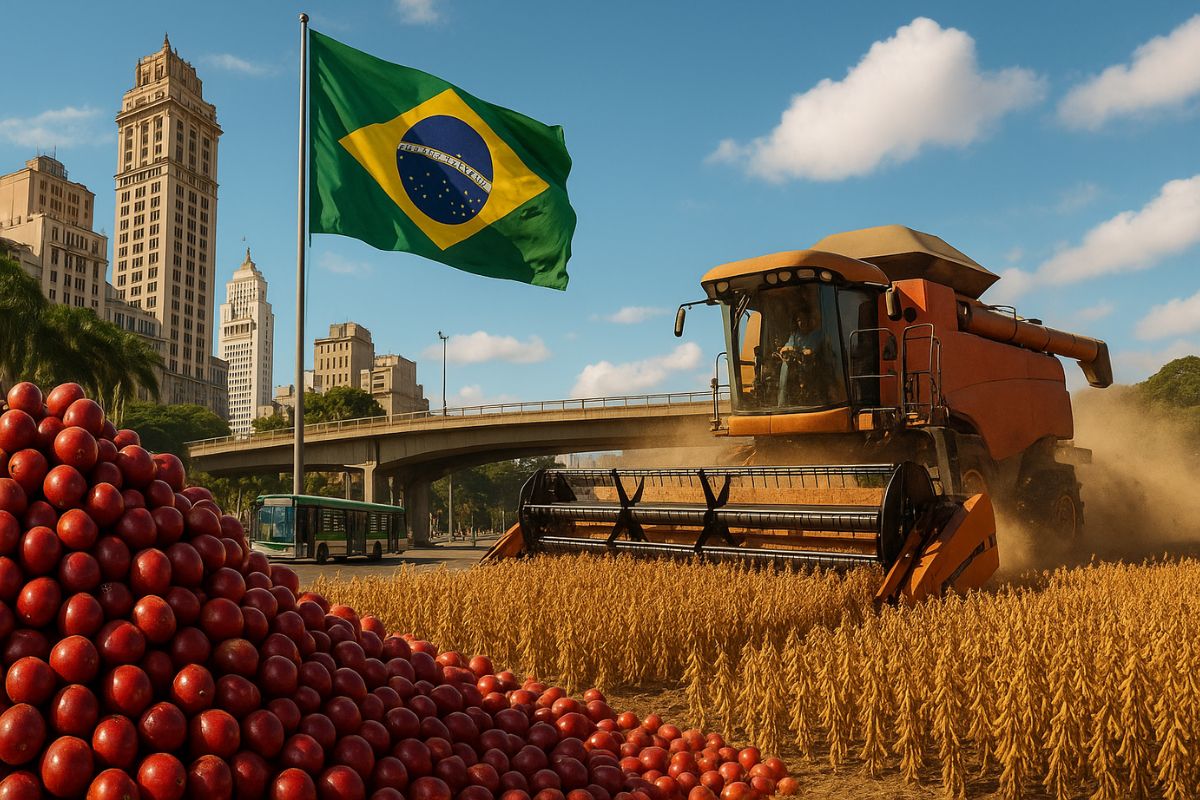

How Brazil Became An Agricultural Power By Transforming Historical Monoculture Cycles Into A Global Scale Agro-Business With Tropical Technology, New Frontiers, And Markets That Sum Trillions In Exports.
The Brazil became an agricultural power after a structural shift that began with the sugar and coffee cycles and was consolidated with applied science in the field. The combination of research, mechanization, logistics, and access to markets elevated grain and protein production to levels that changed the trade balance and the country’s role in the global food trade.
This leap did not happen overnight. It was the sum of long-term choices, such as the creation of research centers, the adaptation of cultivars to the Cerrado, and the expansion into new agricultural frontiers. Today, soy leads exports, meat has gained its own momentum, and family farming sustains internal supply, composing a complex productive mosaic.
From Coffee To Urbanization: The Seed Of Power
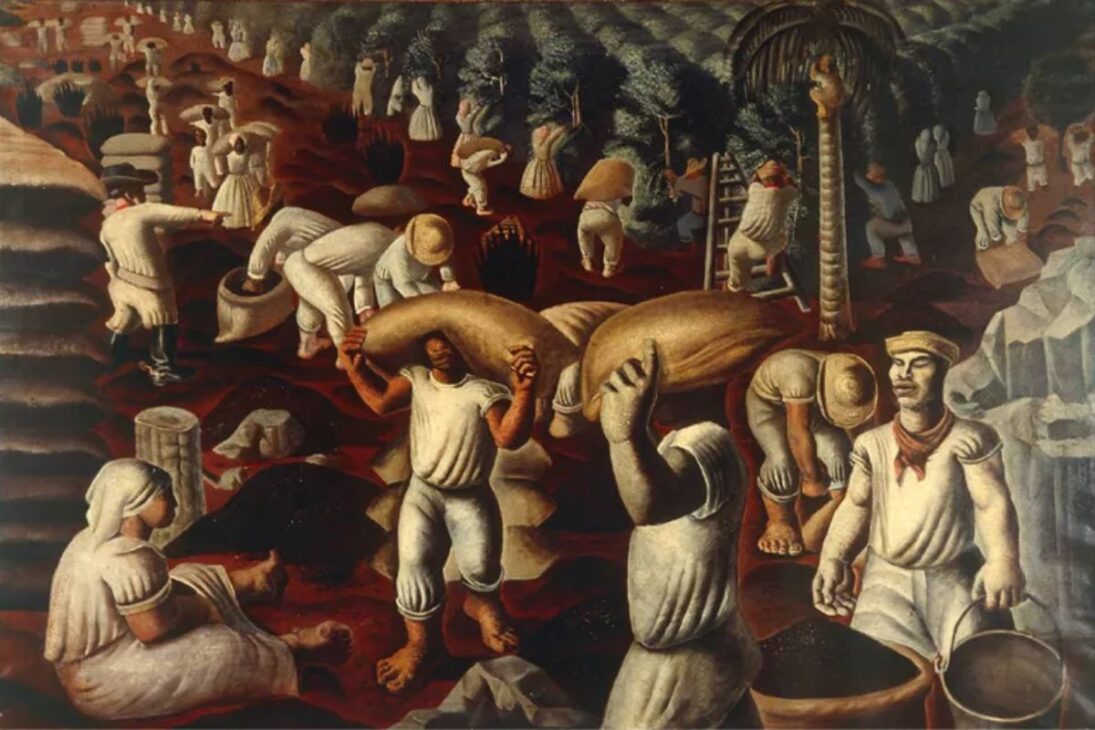
The coffee cycle in the 19th century financed railways, modernization, and the urbanization of São Paulo.
-
Study of Brazil’s Tietê River Finds 25 Pesticides in Water, Including Cancer-Linked Substance Near Source

-
Young Entrepreneur Expands from 50 to 1,400 Chickens, Proving “Happy Hens” Can Be a Viable Business
-
Small Farm in Brazil’s Minas Gerais Produces 403 Liters of Milk Daily, Sets Benchmark for Rural Producers
-
Man Revives 1930s Abandoned Trout Farm, Learns from Scratch, and Earns $1.1 Million Annually Selling Fish to Michelin-Starred Restaurants


The wealth generated by coffee cultivation structured logistical and service chains that prepared the country for later phases of productive diversification and industrialization.
When the 1929 crisis hit coffee farming, Brazil was forced to look beyond the grain that had given it prominence.
The need to diversify crops and markets opened space for new cultures and for a broader agricultural policy framework that, decades later, would support the technological pivot in the field.
The Technological Turn: Embrapa, Cerrado, And The “Tropical Revolution”
The modernization from the 1960s and 1970s had a clear vector: science applied to the tropical environment.
The correction of soils, genetic improvement, and adapted management allowed the transformation of areas previously considered marginal, such as the Cerrado, into highly competitive productive frontiers.
This technical leap enabled expansion into regions like Matopiba.
Brazil stopped being hostage to “ideal” climates and soils and began to create agronomic conditions to produce at scale, with stability and predictability, reducing costs and increasing productivity per hectare.
Soy On Top, Protein On The Rise: Engines Of Exports
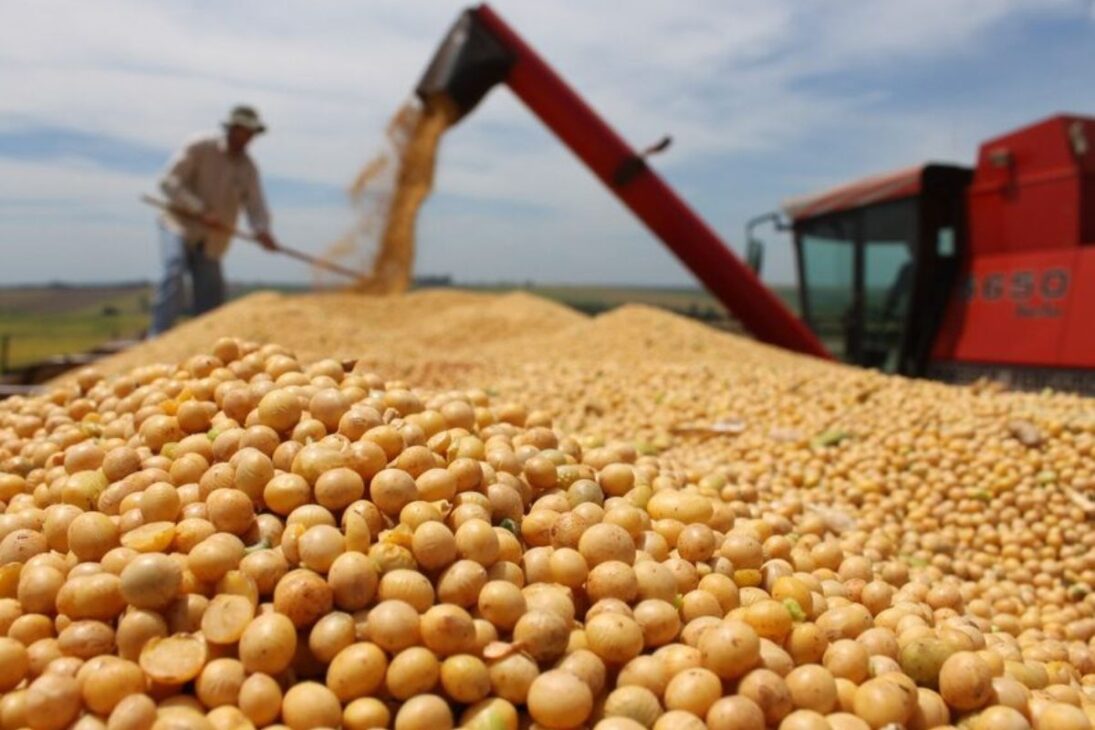
Soy has become the flagship of the agricultural agenda, driven by productivity, scale, and international demand.
The advancement of the oilseed has pulled investments in storage, processing, and logistics, creating a multiplier effect throughout the chain.
Meanwhile, animal protein consolidated its prominence. Chicken, pigs, and cattle gained competitiveness with genetics, nutrition, and health.
The result is an integrated system where grains feed livestock and agroindustry enhances value added and global presence.
Infrastructure And Markets: The Map Of Competitiveness
No agricultural power can sustain itself without outflow.
Highways, railroads, waterways, and ports began to dictate margins and deadlines, bringing farms closer to ships.
The interiorization of terminals and the modernization of ports reduced bottlenecks and improved logistical predictability.
On the demand side, China, the European Union, the United States, and the Middle East became decisive destinations.
Opening and maintaining markets requires health, traceability, and regulatory predictability, factors that shape the investment pattern from the field to industry and define the pace of exports.
The Duality That Feeds: Scale Agro And Family Farming
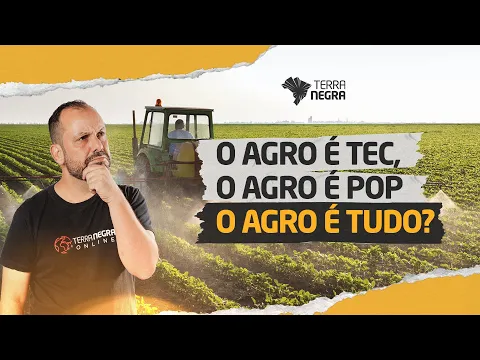

The portrait of the Brazilian countryside is plural. The large-scale agribusiness drives external sales and foreign exchange, with high mechanization and integration into large chains.
At the same time, family farming feeds the Brazilian table with vegetables, fruits, and staple grains.
This duality creates complementarities and challenges.
Public policies, credit, and technical assistance need to engage with very distinct realities, from the hyper-technified producer to the small one still seeking income stability and access to markets.
Challenges Of The 21st Century: Sustainability, Governance, And External Risk
The agricultural expansion has brought unavoidable questions. Reconciling production with conservation is a priority to maintain markets and international reputation.
Techniques such as integrated crop-livestock-forestry systems, bioinputs, and precision agriculture are gaining ground to reduce impact and increase efficiency.
Another sensitive point is the dependence on few global buyers. Geopolitical, sanitary, and logistical fluctuations can affect prices and volumes. Diversifying destinations, strengthening insurance, and enhancing market intelligence are key movements to mitigate risks and preserve margins.
What Explains The Leap: Five Pieces That Fit
1) Tropical Science Applied: cultivars, management, and soil correction suited to the Brazilian climate.
2) Scale And Organization: cooperatives, agroindustry, and productive integration.
3) Evolving Logistics: more efficient ports and new outflow routes.
4) Financing And Market: credit instruments and direct links to trading companies and industries.
5) Human Capital: technical training in the field and data-driven management.
Each of these pieces increased productivity and reduced costs, explaining how Brazil became an agricultural power without neglecting internal supply.
Brazil became an agricultural power by combining history, science, and the market. From the coffee that built infrastructure to the soy that dominates exports, the country has created a productive ecosystem that sustains trillions in sales over time, but needs to advance in sustainability, governance, and risk diversification to remain competitive.
And you, who live this reality in the field, in research, in logistics, or in retail: what sustainable practices have already improved your productivity and what logistical bottleneck weighs the most on your cost today? Would opening new markets compensate for investing in certification and traceability in your operation? Share your experience in the comments and help enrich the discussion.