






 Portuguese
  Spanish


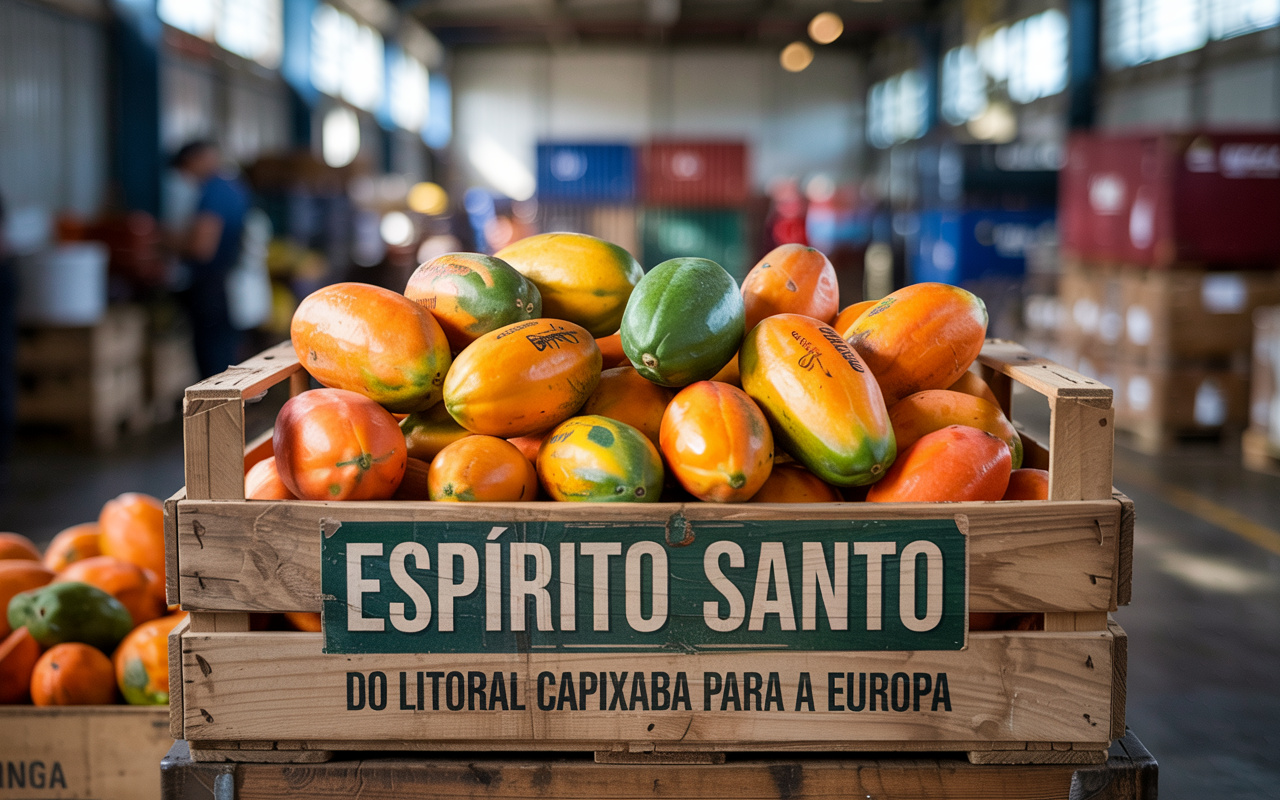


Espírito Santo Leads Production and Export of Papaya in Brazil: 400 Thousand Tons Harvested Per Year, R$ 1.2 Billion in Revenue and Presence in 30 Countries.
Few imagine that one of the smallest states in Brazil by territory is also one of the giants of the global agribusiness. In 2025, Espírito Santo consolidated itself as the largest producer and exporter of papaya in the country, harvesting over 400 thousand tons per year and generating around R$ 1.2 billion with the fruit.
From the coastal region of Espírito Santo, where the climate is favorable and agricultural technology advances, ships set sail to supply countries in Europe, North America, the Middle East, and Asia. There are over 30 international destinations that today depend on capixaba production, transforming the state into a global reference in the tropical fruit sector.
The Strength of Production
According to the Secretariat of Agriculture of Espírito Santo (Seag), the state concentrates the majority of national papaya production, leading comfortably ahead of competitors like Bahia and Rio Grande do Norte. In 2024, the capixaba harvest surpassed 426 thousand tons, consolidating the historic mark.
-
California’s Almond Industry Consumes Over 4 Trillion Liters of Water Annually Amid Drought, Relies on Trucked-In Bees for Pollination

-
India’s Sugar Export Cuts and Ethanol Shift Amid El Niño Threat Could Impact Global Prices and Stocks

-
Quarantine Pest Threatening Palm Trees Puts Brazilian Authorities on Alert, Prompts Monitoring at University of Taubaté and Potential Control Measures Across São Paulo
-
Global Alert: Report Finds 159 Pesticides in Coffee Beans Sold in Europe, Posing Serious Risks to Millions of Farm Workers


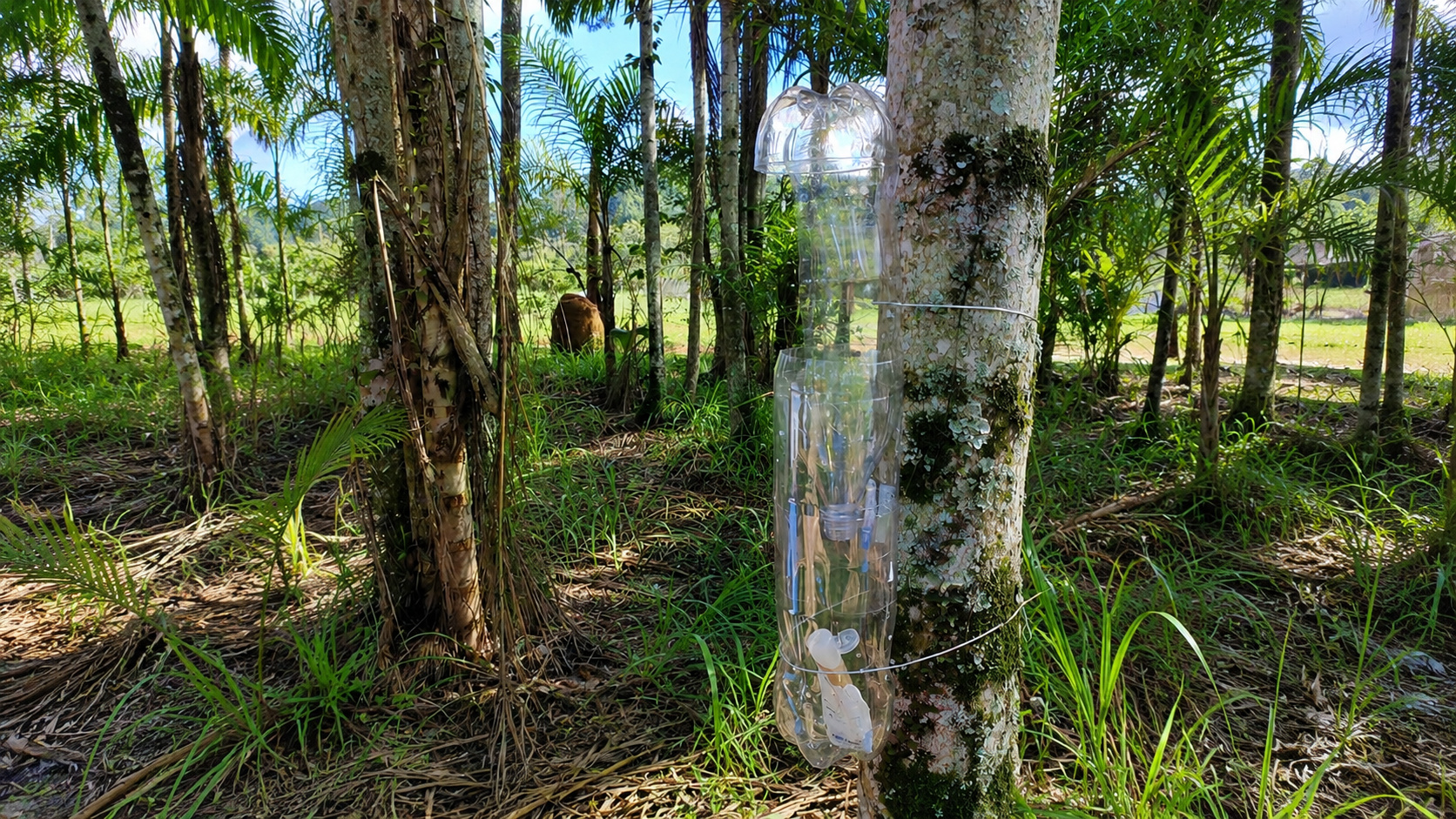

The fruit, mainly cultivated in municipalities such as Linhares, Sooretama, and São Mateus, finds in the fertile lands and controlled rainfall the ideal environment to thrive. The result is larger, sweeter fruits with quality that meet the strict standards of the international market.
The Expanding External Market
By 2025, Espírito Santo was already exporting to more than 30 countries, with highlights for Netherlands, Spain, Portugal, Canada, and United Arab Emirates. In just the first half of the year, the state shipped around 12.8 thousand tons, generating revenue of US$ 18.8 million, according to data from Comex Stat.
The Netherlands is the main distribution hub: from there, capixaba papaya is redistributed throughout Europe, supplying supermarkets and restaurants. This route has established Brazil as the largest global exporter of the fruit, and Espírito Santo is the heart of this chain.
Jobs and Social Impact
The papaya sector is also one of the highest job creators in the field. It is estimated that more than 30 thousand workers depend directly or indirectly on the productive chain, from planting to processing, packaging, and logistics.
In the northern part of Espírito Santo, the fruit has become an economic engine, ensuring income for thousands of rural families. Small and medium producers, organized into cooperatives, participate in exports, expanding the benefits of the chain beyond the large farms.
The Secret of Quality
The competitiveness of capixaba papaya is not only due to the favorable climate but also to agricultural technology. The use of drip irrigation, integrated pest management, and digital traceability ensures that each batch of fruit reaches the European consumer with a quality seal.
Another differential is the staggered harvest system, which allows papaya to be supplied nearly year-round, something essential for maintaining continuous supply contracts in the external market.
Varieties That Conquered the World
The two main varieties exported by Espírito Santo are the Papaya Formosa and the Papaya Golden. While the former stands out for its size and flavor, the latter is valued for its sweetness and convenience, with smaller fruits ideal for individual consumption.
These varieties have perfectly adapted to European tastes, becoming an increasingly frequent presence on supermarket shelves in Germany, France, and England.
Competition and Challenges
Despite the success, the sector faces challenges. Countries like Mexico and Costa Rica also compete in the European market, offering tropical fruits at aggressive prices. Additionally, the logistical cost remains a bottleneck for Brazil: transportation to the ports and maritime freight represent a significant portion of the final cost.
Another obstacle is the need to meet the environmental and sanitary requirements of the European Union, which are increasingly stringent. The bloc pressures for proof of sustainability, traceability, and reduction of carbon footprint, which demands constant investments from producers.
The Future: New Markets and Innovation
Espírito Santo is already studying the expansion of exports to emerging markets in Asia and Africa, taking advantage of the growing demand for tropical fruits in these continents. China is on the radar, and negotiations are advancing to establish direct trade corridors.
Furthermore, local research is looking for new papaya varieties that are more resistant to pests and have a longer shelf life, further enhancing competitiveness in the global market.
From the Coast of Espírito Santo to the World
The success of capixaba papaya is an example of how Brazilian agribusiness goes well beyond soy and meat. From the coast of Espírito Santo, a tropical fruit has become the protagonist of exports that generate billions, sustain thousands of families, and put Brazil at the center of international consumers’ tables.
With over 400 thousand tons harvested per year, R$ 1.2 billion in revenue, and presence in more than 30 countries, Espírito Santo demonstrates that planning, technology, and quality can transform a local product into a global icon.
The challenge now is to consolidate this position amid increasing international competition and new sustainability requirements. If these barriers are overcome, capixaba papaya will remain a powerful calling card for Brazil in the world.





Feliz pelo nosso Estado ter esse destaque. São os capixabas no p****. Parabéns a todos os envolvidos,os donos das produções e os trabalhadores.