






 Portuguese
  Spanish


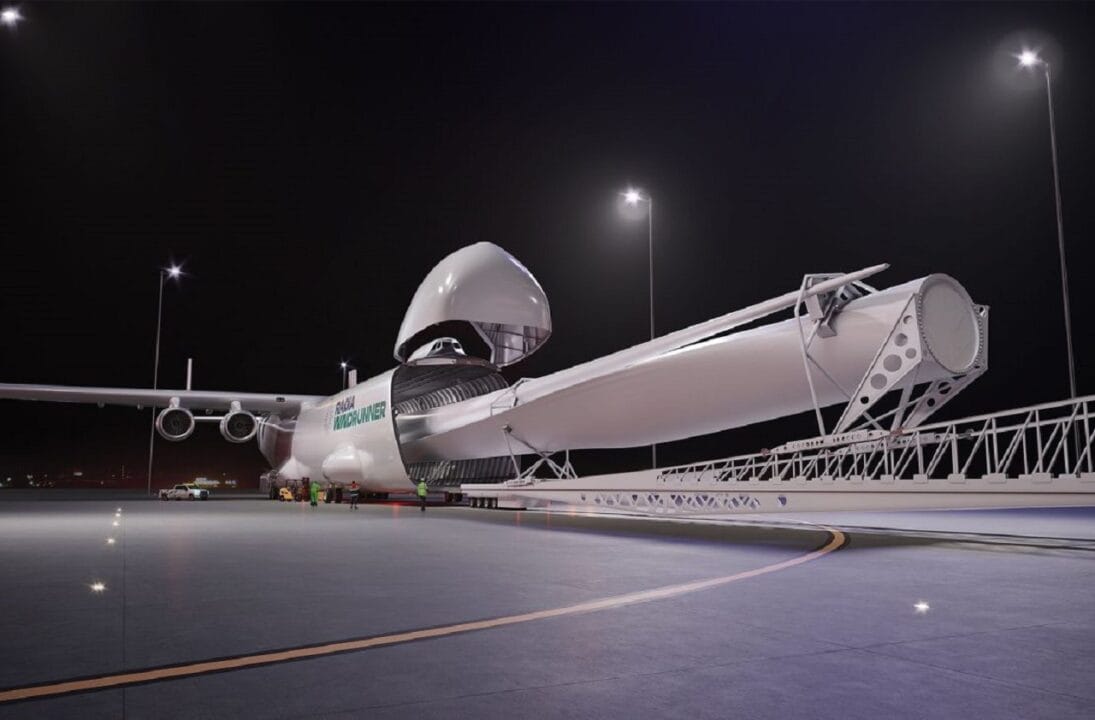

Meet the Windrunner, Considered the Largest Airplane in the World, Which Promises to Be the Great Accelerator of Wind Energy Worldwide.
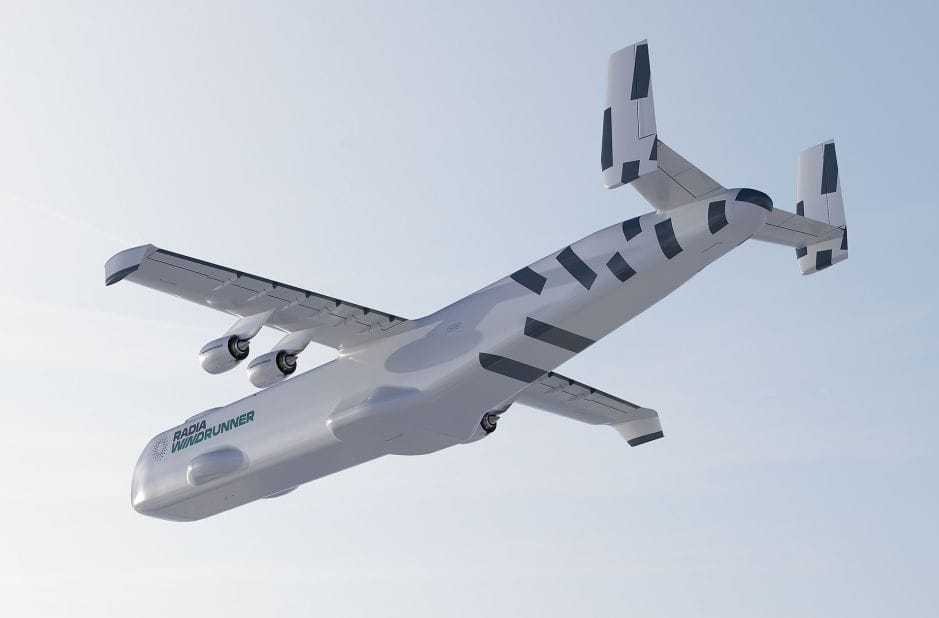
Mark Lundstrom, a rocket scientist graduated from the Massachusetts Institute of Technology (MIT), and his team of engineers have spent the last seven years working on and refining the design of the largest airplane in the world, named “Windrunner.” Lundstrom founded Radia in 2016 with the mission of applying aerospace solutions to the expansion of wind energy, a subject where transportation logistics is the main obstacle.
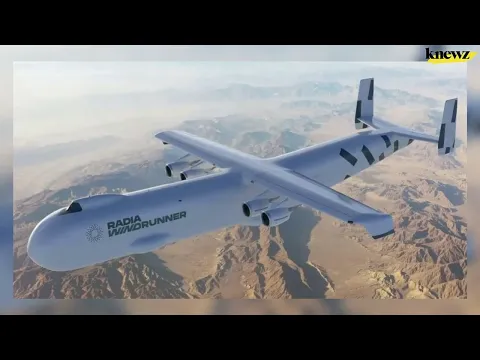

The largest carrier in the wind energy sector has a length of 108 meters, a height of 24 meters, and a wingspan of 80 meters, with a payload capacity of 80 tons, which is about the size of a football field, nearly 25 meters longer than the largest military aircraft in existence and larger than a Boeing 747. If everything goes as planned, this will be the largest airplane in the world by its dimensions and cargo volume. An 1,800-meter long runway will be necessary to land it,
Meet the Windrunner, the Largest Airplane in the World
The company, based in Boulder, Colorado, explains that the purpose of developing the Windrunner is to reduce the logistical gap that currently hinders the expansion of wind energy. Transporting large wind turbine blades is essential for building wind farms with greater reach, as the size of the blades makes the turbines more efficient and powerful.
-
New Smart Radar Begins Issuing Fines to Solo Drivers in Carpool Lanes, Uses Cameras to Count Occupants, Changing Traffic Enforcement Rules on Busy European Roads

-
Brazil Welcomes Spanish Wamos Air and Nigerian Air Peace, Potentially Transforming International Routes and Increasing Competition
-
Why can the crane operator only obey the correct signalman on the construction site: among dozens of workers, a hand raised by the wrong person can confuse the maneuver and turn a load of tons into an immediate risk.
-
What changes with the new public transportation rules that can reduce pressure on fares and pave the way for zero fare in Brazil?


Large blades, such as those measuring 70 meters, are often installed only offshore due to rail and road infrastructure restrictions (such as bridges, tunnels, and curves). These limitations prevent the land transport of these parts.
Largest Airplane in the World for Wind Energy Receives Million-Dollar Investment
Even so, the installation and maintenance of the land, especially when it comes to deserts and vacant lots, are exponentially simpler and cheaper than a marine environment. The scientist’s company has US$ 104 million to develop the project for the largest airplane in the world and according to media reports, it has already reached a valuation of US$ 1 billion.
Supporters include the oil giant and venture capital firms like Caruso Ventures, Capital Factory, and Good Growth Capital. The employees and consultants at Radia include current and former executives from the Federal Aviation Administration, Boeing, utilities, and renewable energy developers.
The company estimates that the large-scale implementation of wind turbines could reduce the cost of energy by up to 35% and increase the consistency of energy generation by 20%, compared to current land turbines. In terms of timing, Lundstrom predicts that the installation of the giant turbine blades could become a reality in four years.
Wind Energy Could Become More Competitive with Windrunner
The scientist specified that, for the idea to be profitable, each project undertaken by Radia would ideally result in the installation of 25 turbines on land. Thus, they would produce about double the energy of the current land installations. The result would be wind farms about 90 meters taller than the current average.
According to Jesse Jenkins, a professor at Princeton University who conducted a study for Radia, larger blades mounted on taller towers have made wind energy more competitive everywhere, making more areas viable for wind development.
However, Jenkins also suggests that more size and height equate to greater visibility and that, consequently, this could generate more opposition to projects among communities. The biggest unknown is social license and social acceptability.


