






 Portuguese
  Spanish


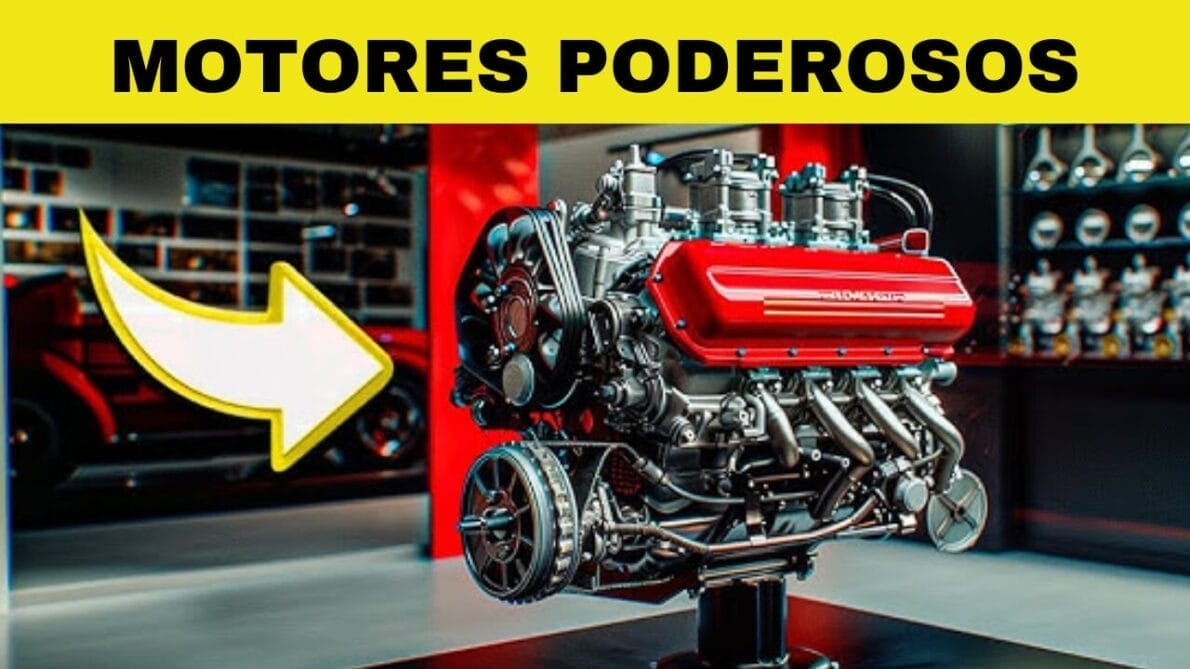


Volkswagen AP and Fiat Fire Engines Are Icons in Brazil, but Globally, the Toyota 2JZ, BMW M50, GM LS V8, Honda Series K, and Ford 300 Inline 6 Are Considered Legends for Their Durability and Performance.
Car engines have always played a crucial role in building the reputation of vehicles around the world. In Brazil, names like the Volkswagen AP and Fiat Fire stand out for their efficiency and durability. However, in a global context, the BMW M50, Toyota 2JZ, Ford 300 Inline 6, GM LS V8, and Honda Series K have gained an almost mythical aura due to their robustness and performance. Below, check out a list made by the CanalTech website of the most powerful engines in the world.
Titans of Automotive Durability
BMW M50 Engine: German Innovation and Durability
BMW is known for its precision engineering, and the M50 engine is a perfect example of that.
Produced between 1990 and 1996, this engine replaced the M20 and introduced variable valve timing into BMW’s production line.
-
Turbocharged Engines with Direct Injection: Why High-Performance Engines Over 130 HP/Liter and Turbines at 200,000 RPM Challenge Durability

-
Chevrolet’s Parent Company to Invest Billions in Brazil to Modernize Factories, Update Cars, and Accelerate Hybrid Launch by 2028

-
Practical Driving Tests in Brazil Surge by 23.5%, Exceeding 2.2 Million by 2026, as New Rules Make the Process Cheaper and Simpler
-
Brazil’s Lula Government Allocates $463 Million Quota for Electric Car Parts, Waives Import Tax Until December, Sparking Competition Among BYD, Automakers, and Unions as Consumers Question Impact on Prices and Local Industry


Available in 2.0 and 2.5-liter versions, with power outputs ranging from 148 to 189 hp, the M50 became an icon due to its durability.
Equipping models like the E36 M3, it influenced future generations of BMW six-cylinder engines.
The reliability and performance of the M50 secured its prominent place among the most durable engines in history.
Toyota 2JZ: The “Japanese AP” That Conquered the World
The Toyota 2JZ is widely considered one of the most robust and versatile engines ever produced.
Initially launched in the Aristo sedan in 1991, it gained worldwide fame with the Lexus GS300.
This 3-liter engine, with six inline cylinders, is naturally aspirated and features a head with four valves per cylinder and dual camshafts, delivering 230 hp.
Its robustness and ability to be “tuned” made it popular among high-performance car enthusiasts, earning it the nickname “Japanese AP.”
The 2JZ stands out not only for its power but also for its durability, making it a favorite in automotive modification projects.
Ford 300 Inline 6 Engine: The Indestructible Legend
The Ford 300 Inline 6 is revered in the United States for its simplicity and durability.
Used in F-Series trucks until 1996, this six-cylinder engine is described as “indestructible” by experts at Engine Labs.
The Ford 300 Inline 6 is not only famous for its power, but also for its impressive torque and ability to last for thousands of miles without major issues.
Its robust construction and reliable performance made it a favorite among pickup owners and enthusiasts of rugged vehicles.
GM LS V8 (3rd Generation): The American Powerhouse
The Chevrolet LS V8, especially in its third generation launched in 1997, is often cited as one of the best-designed engines of all time.
This “small block” engine is praised for its power and durability, particularly the version that powered the Corvette 5.7, delivering 344 hp.
The LS V8 is known for its versatility, being used in a wide range of vehicles, from sports cars to trucks.
Its ability to handle modifications and upgrades without compromising reliability makes it a favorite among high-performance car enthusiasts.
Honda Series K Engine: Japanese Precision
The Honda Series K engine is a true example of high-precision Japanese engineering.
Introduced in 2001, this four-cylinder engine with a dual overhead camshaft (DOHC) ranges between 2.0 and 2.4 liters, with both naturally aspirated and turbocharged versions.
Iconic models like the Acura RDX, Civic Type R, Accord, and Acura Integra Type R have been equipped with this engine, which gained a reputation for being “bulletproof” due to its exceptional durability.
The K20 and K24 variants are especially appreciated for their high-revving capability and reliability.
Legends of Engineering
These engines are not just mechanical components; they are symbols of innovation, durability, and performance.
Each of them has left its mark on automotive history, influencing generations of engineers and car enthusiasts.
Whether for their legendary durability or their ability to withstand extreme modifications, these engines continue to be revered and celebrated in the automotive world.
Knowing these icons is essential for any enthusiast who values the perfect combination of power and durability in a vehicle.
Source: CanalTech.


