





 Portuguese
  English
  Spanish
  5 min of reading
  0 comments


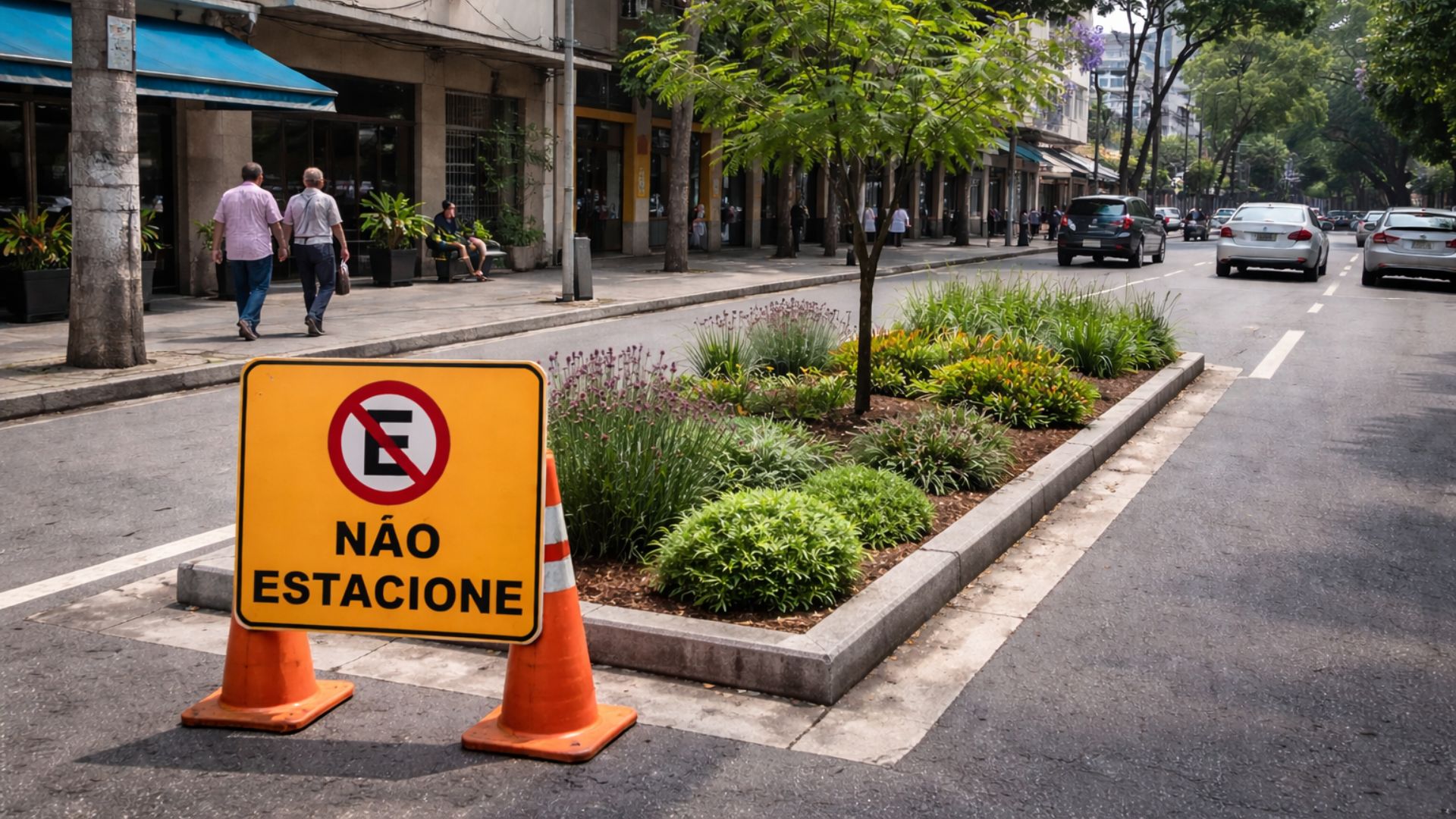
Proposal that transforms parking spaces into green areas gains strength in the São Paulo City Council and advances as an alternative for urban drainage, greening, and requalification of public space, with direct impact on the use of streets and mobility.
A project is advancing in the São Paulo City Council that authorizes the creation of the Green Parking Program, paving the way to replace part of the parking spaces with permeable areas featuring vegetation, provided that there are technical studies and evaluations of the specific conditions of each roadway segment.
In this design, each block face where parking is currently allowed could theoretically have up to 20% of its length converted, a limit that depends on local analysis and seeks to balance the supply of parking spaces with environmental and urban benefits.
While facing recurring flooding episodes, the capital also deals with a scarcity of suitable areas for greening, especially on narrow sidewalks, which leads the project to combine drainage solutions with the expansion of urban greenery.
-
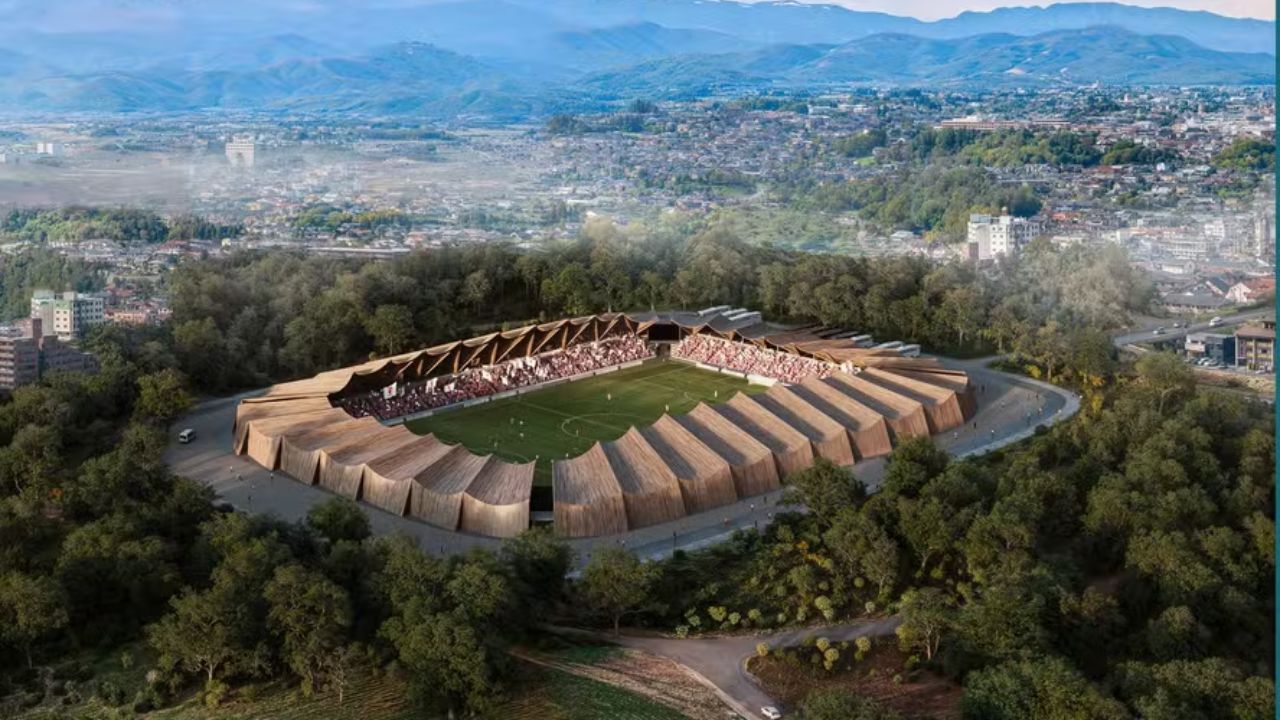
A football stadium in Japan will be built by the fans themselves and will feature a rainwater harvesting system, recycled wood, and natural ventilation.

-
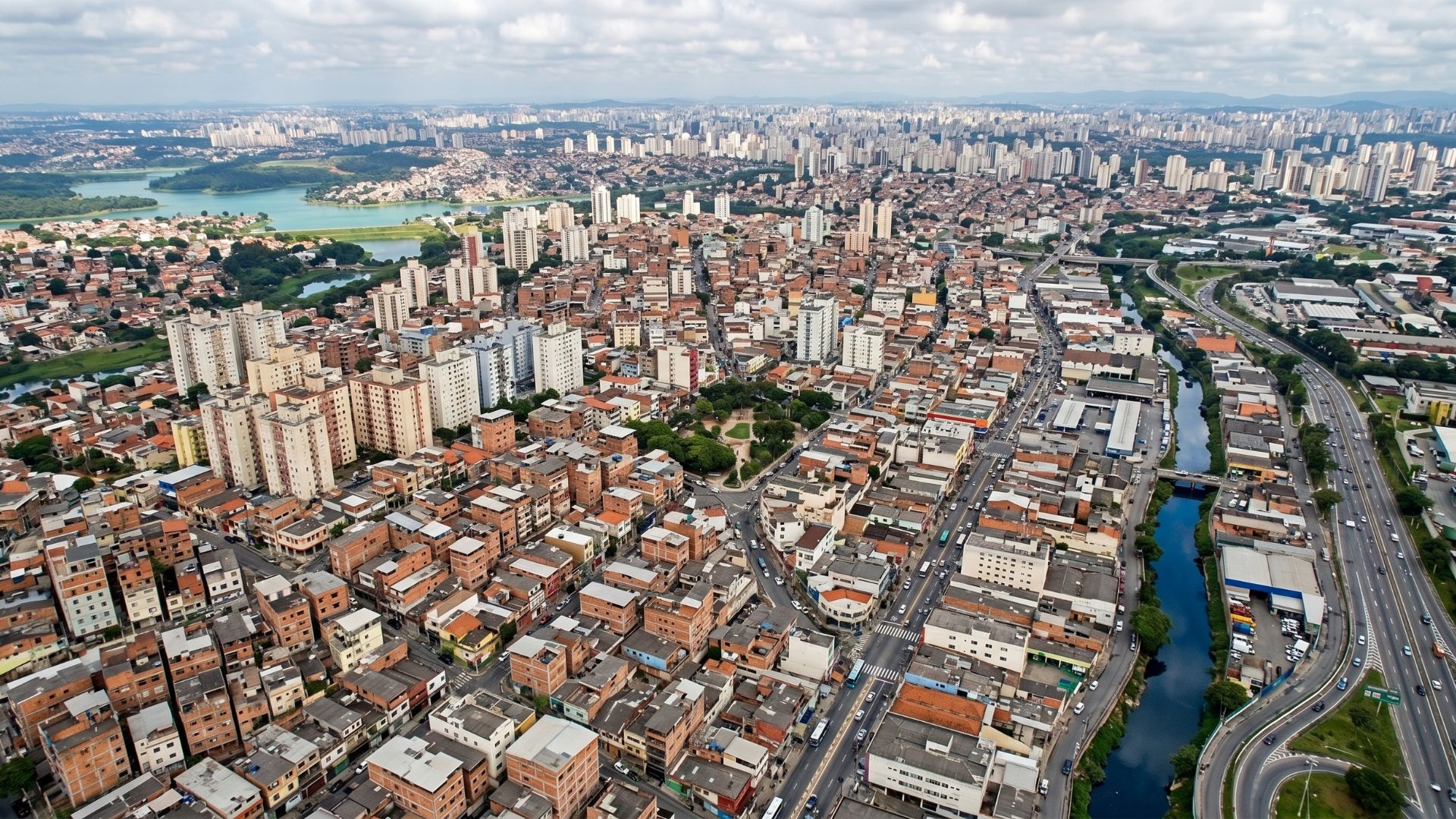
With only 30.7 km² and 404 thousand inhabitants squeezed into an area smaller than Guarulhos Airport, Diadema is the city with the highest population density in Brazil.

-
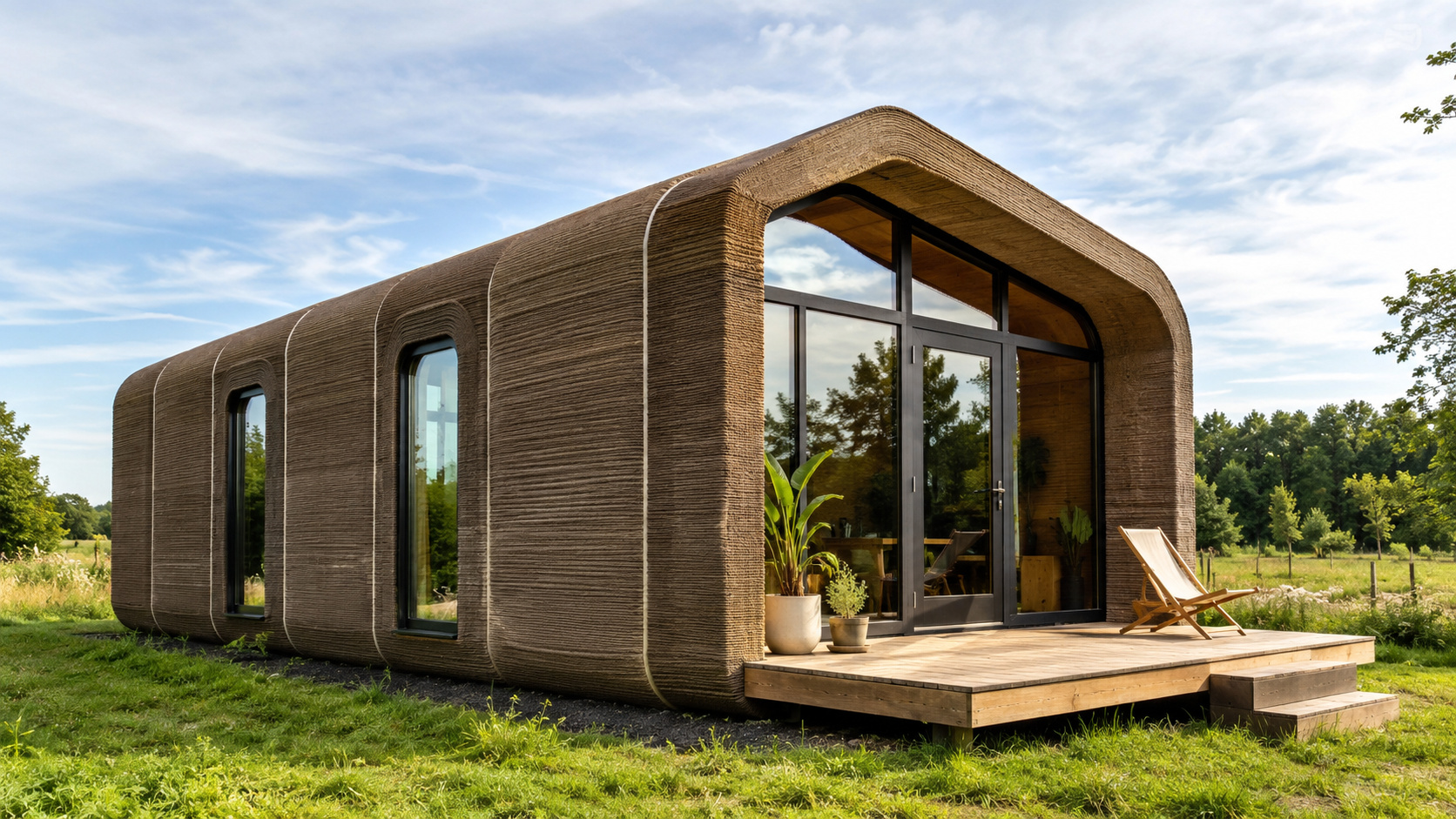
While many people see cardboard as packaging waste, the Netherlands transforms 24 rolled layers into a mold for a modular house that arrives ready, accommodates a kitchen and bathroom, and can be installed on the site in just one day.

-
Mysterious moon of Neptune may be the sole survivor of a violent space catastrophe, scientists say


Furthermore, the text links the implementation of green parking spaces to micro-drainage planning and the guidelines of the Municipal Urban Greening Plan, integrating the proposal with existing policies and expanding the reach of interventions in the territory.
How green parking spaces work on the streets of São Paulo
Under the proposed model, green parking spaces occupy part of the roadway next to the curb, maintaining the same width as conventional parking spaces, but replacing asphalt with structures capable of absorbing water and supporting vegetation adapted to the urban environment.
Each unit must have a minimum length of 5 meters, and can be implemented progressively and continuously, a strategy considered more efficient for creating permeable corridors and enhancing environmental effects compared to isolated interventions.
Described as natural microenvironments, these spaces aim to enhance the urban landscape, reduce diffuse pollution, and improve stormwater management, contributing to a greater balance between roadway infrastructure and ecological functions.
To achieve this, the project provides for the use of ground covers, shrubs, and primarily native trees, selected based on drought resistance and compatibility with urban soil, which favors maintenance and increases the survival chances of the species.
With this configuration, the expectation is to improve the microclimate, increase rainwater retention, and encourage biodiversity, creating small green hubs distributed along the streets and connected to the existing urban system.
It is also possible to integrate benches, tables, and bike racks into the adjacent sidewalk, as long as the free circulation area is preserved, which adds a dimension of coexistence to public space without compromising pedestrian mobility.
At the same time, the presence of these structures can induce a reduction in vehicle speed and improve crossings near intersections, connecting the proposal to road safety strategies and more human-centered urban design.
Priority regions and implementation criteria
To guide the application, the project defines criteria that prioritize areas with a higher incidence of heat islands, regions prone to flooding, and sections with narrow sidewalks, where traditional planting may hinder circulation.
Within this scope, public consultations and outreach campaigns are planned, mechanisms aimed at providing transparency to the process and reducing resistance from local residents and merchants.
If regulated, the program will allow the participation of residents and entities in the maintenance of the areas, creating a dynamic of shared responsibility between the public power and society in the conservation of the implemented spaces.
It is up to the Executive to define which agencies will be responsible for the projects, execution, and schedule, as well as to establish any agreements aimed at maintenance, reinforcing the programmatic nature of the proposal.
Thus, the law does not automatically execute the interventions but creates the necessary legal basis for the city hall to organize the policy and determine, according to technical criteria, where and when to apply it.
Environmental compensation and urban impact under discussion
Although the topic has gained recent visibility, the clearest legislative stage indicates approval in the first round, a step that still precedes the final vote and eventual sanction for the project to become law.
At the center of the discussion is the connection with environmental compensation, as municipal legislation allows, in certain cases, the use of green parking spaces as a locational alternative for planting within the same district.
This mechanism is part of the Environmental Commitment Terms, which require enterprises to compensate for interventions involving tree removal, creating demand for new areas suitable for planting.
By structuring this logic in the form of a program, the project expands possibilities already outlined in existing regulations and organizes the application on an urban scale, which helps explain the advancement of the proposal in the Legislature.
Similar projects already exist in the capital
Even before any potential final approval, São Paulo already has similar initiatives, such as rain gardens, structures that retain and infiltrate rainwater, reducing the burden on the drainage system.
These devices function as natural reservoirs distributed throughout the city, contributing to the recharge of the aquifer and improving the quality of water that flows into urban rivers and streams.
Based on these experiences, the municipal administration already recognizes interventions in the roadway as viable planting alternatives, bringing current practice closer to the guidelines proposed in the project under discussion.
By consolidating these actions into a policy authorized by law, the proposal seeks to expand the scale of interventions, integrate territorial criteria, and strengthen the connection between urban drainage and greening.


Be the first to react!