






 Portuguese
  Spanish
  3 min of reading


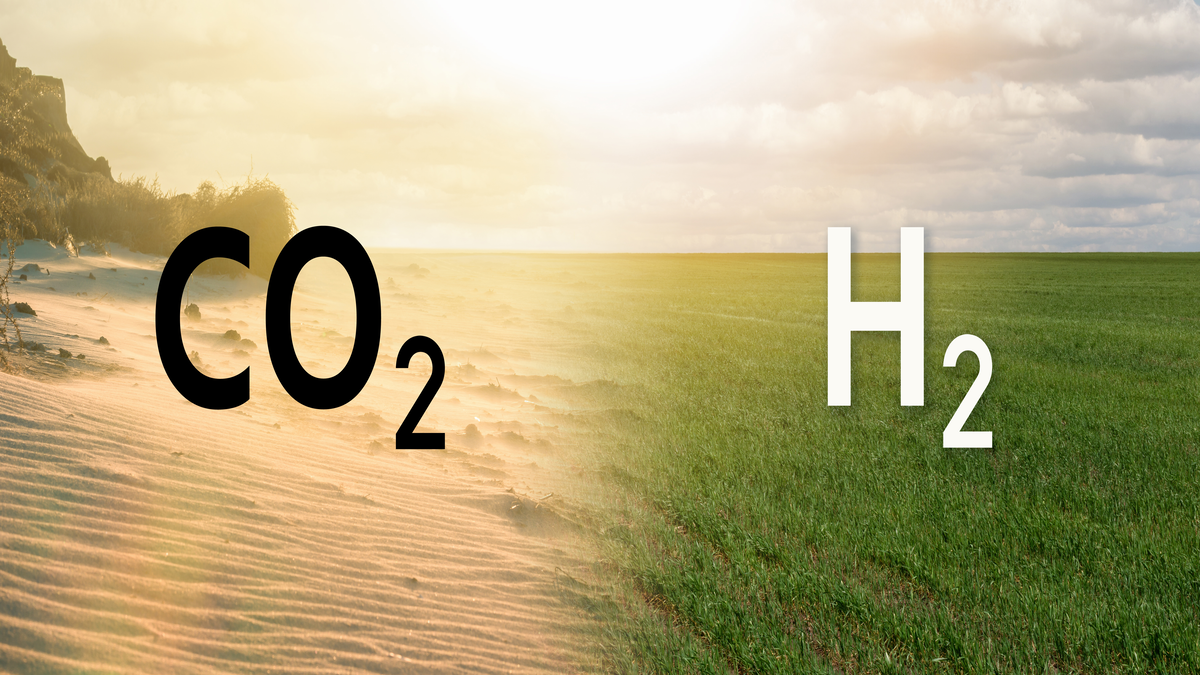
EDPR And Lhyfe, Which Recently Signed An Agreement, Aim To Identify Project Opportunities To Produce Renewable Hydrogen
EDPR has signed an agreement with the French company Lhyfe to produce renewable hydrogen and contribute to carbon reduction in society and industry. EDPR will supply renewable electricity to Lhyfe’s hydrogen production projects and aims to achieve 1.5 GW of clean hydrogen production by 2030.
“We believe that clean hydrogen can go hand in hand with direct electricity generation as the best way to reduce CO2 emissions and achieve the decarbonization of the economy, which includes the hardest-to-decarbonize sectors. The agreement with Lhyfe aims to reinforce EDPR’s commitment to accelerating the energy transition while taking another step toward the realization of clean hydrogen production,” stated EDP and EDPR CEO Miguel Stilwell d’Andrade.
Additionally, both EDPR and Lhyfe will assess opportunities for joint project development, with EDPR’s participation potentially reaching 50% of the project’s capital. EDPR and Lhyfe will also work together on R&D actions, the development of new projects, and equipment purchases.
“We are very pleased to enter into this agreement with one of the world’s largest producers of renewable energy. The trust that EDPR places in us allows us to confidently reflect on the development of our renewable hydrogen on a global and large scale. We are excited to enhance our future hydrogen production facilities alongside EDPR with the goal of eliminating carbon emissions in society and industry, thanks to the combination of EDPR’s and Lhyfe’s strengths,” said Lhyfe’s founder and CEO Matthieu Guesné.
-
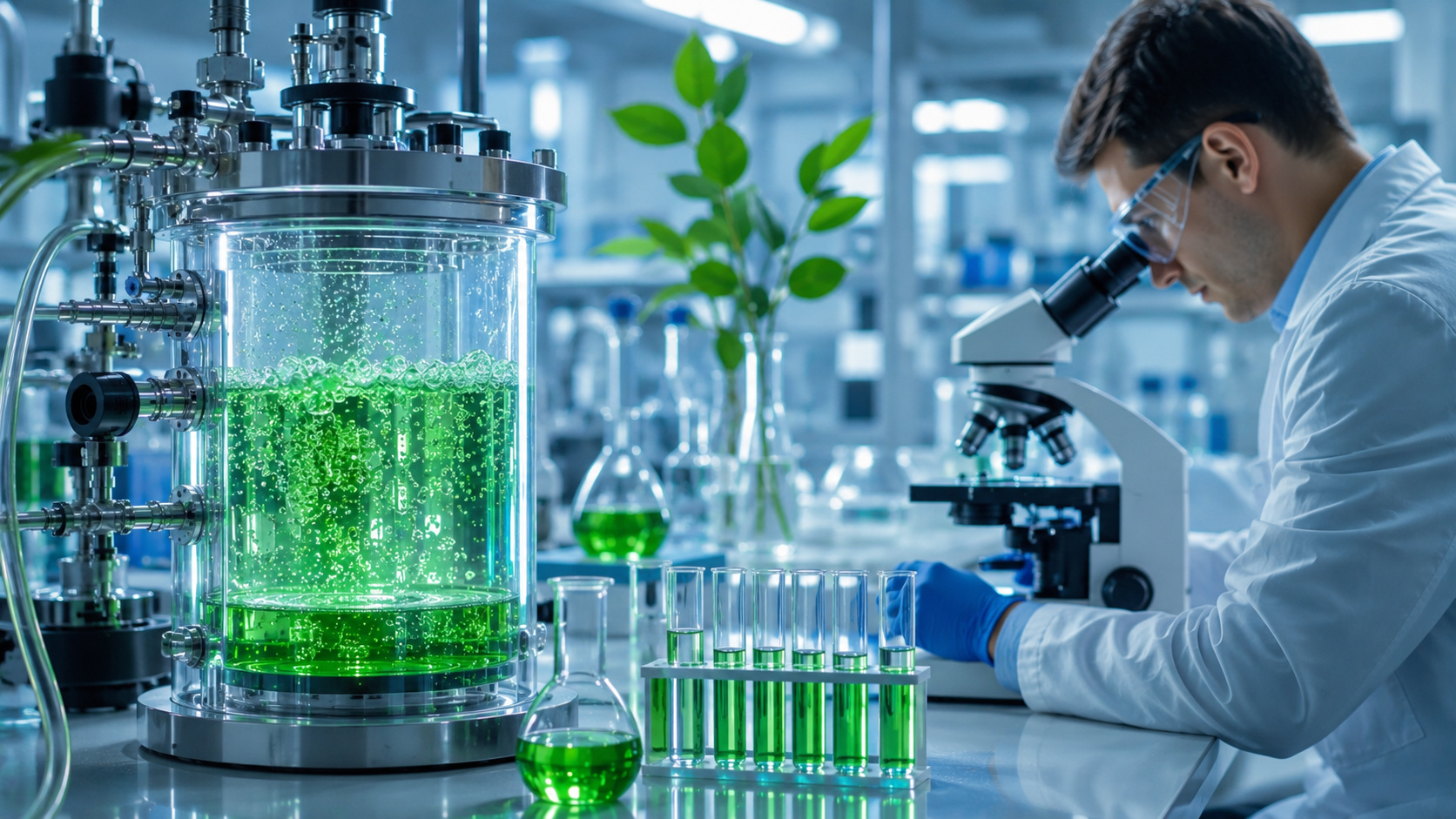
Brazilian scientists are simultaneously advancing two research projects on clean hydrogen and driving solutions that could transform the energy matrix, enhance industrial competitiveness, and accelerate large-scale emission reduction targets.

-
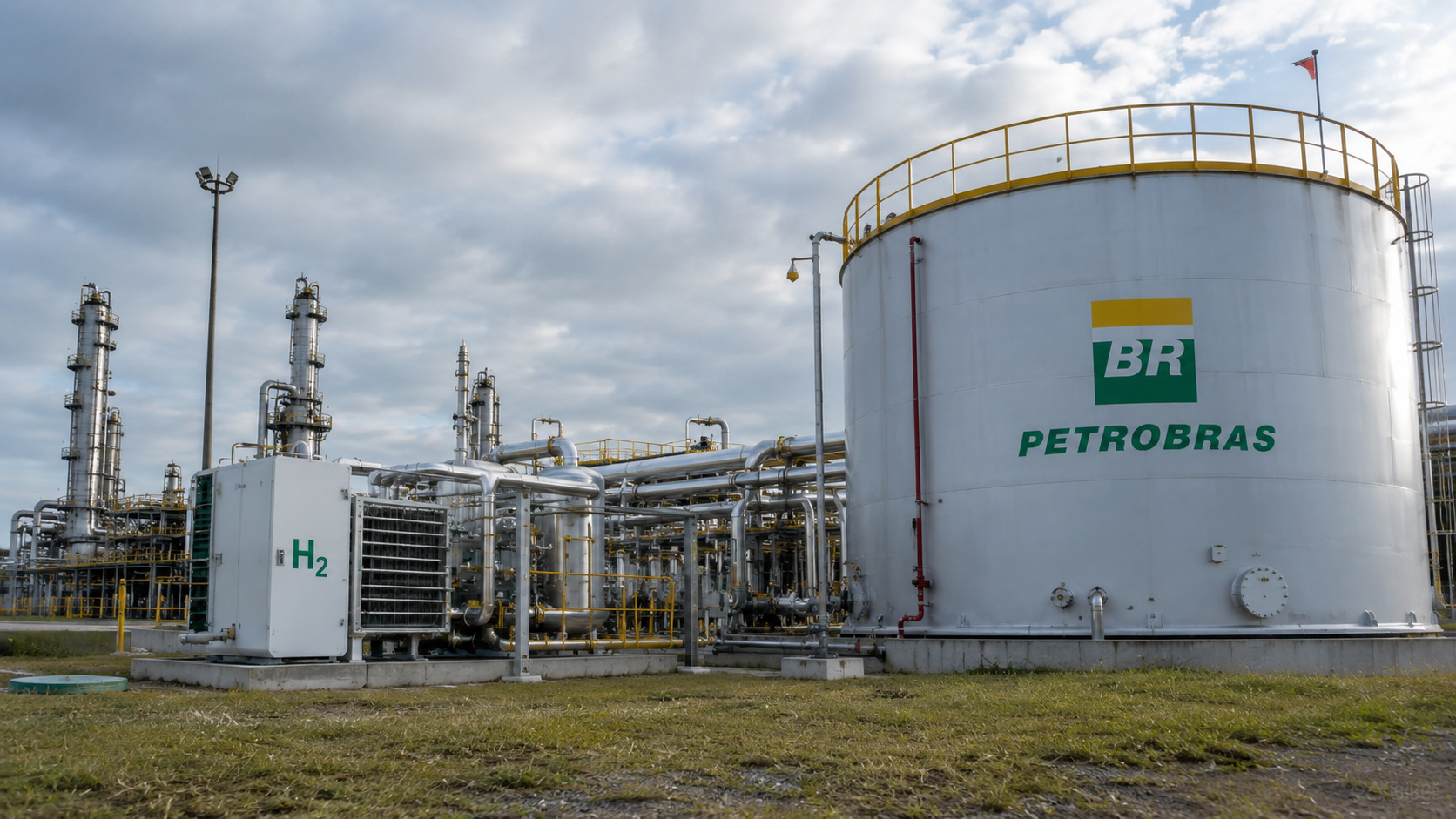
Advancement in renewable energy: A R$ 150 million project launched by Petrobras and Finep aims to create state-of-the-art electrolyzers for green hydrogen, strengthening national research and preparing Brazil to compete in a billion-dollar energy market.
-
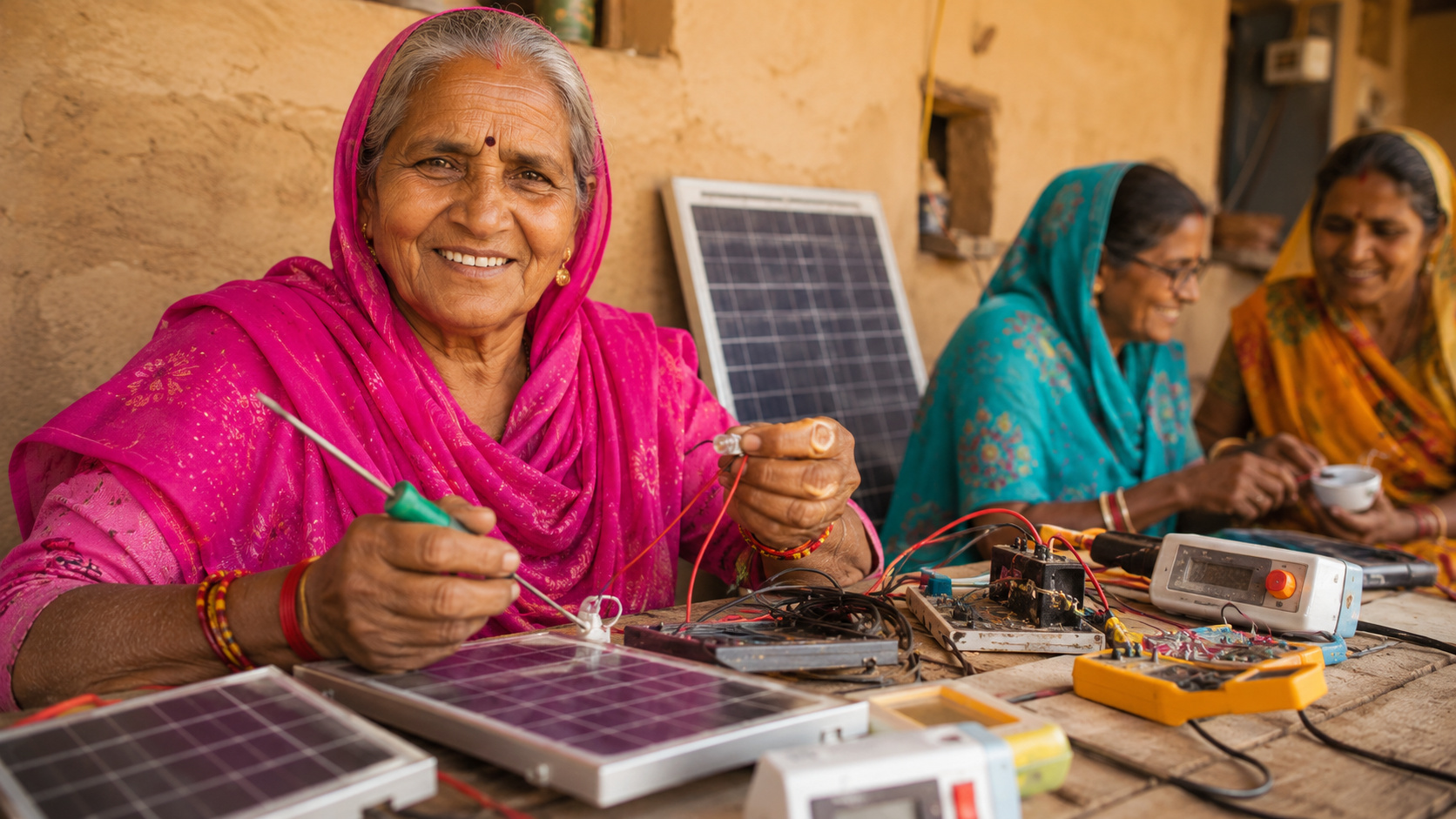
Illiterate or semi-literate grandmothers were trained to repair solar systems, open rural workshops, and light up homes that still depended on kerosene.
-
The world has bet on green hydrogen as the fuel of the future, but now faces the side effect: producing 1 kilogram requires about 9 liters of ultrapure water, and the largest projects on the planet are precisely in the driest regions of the Earth, where water is already scarce for people.

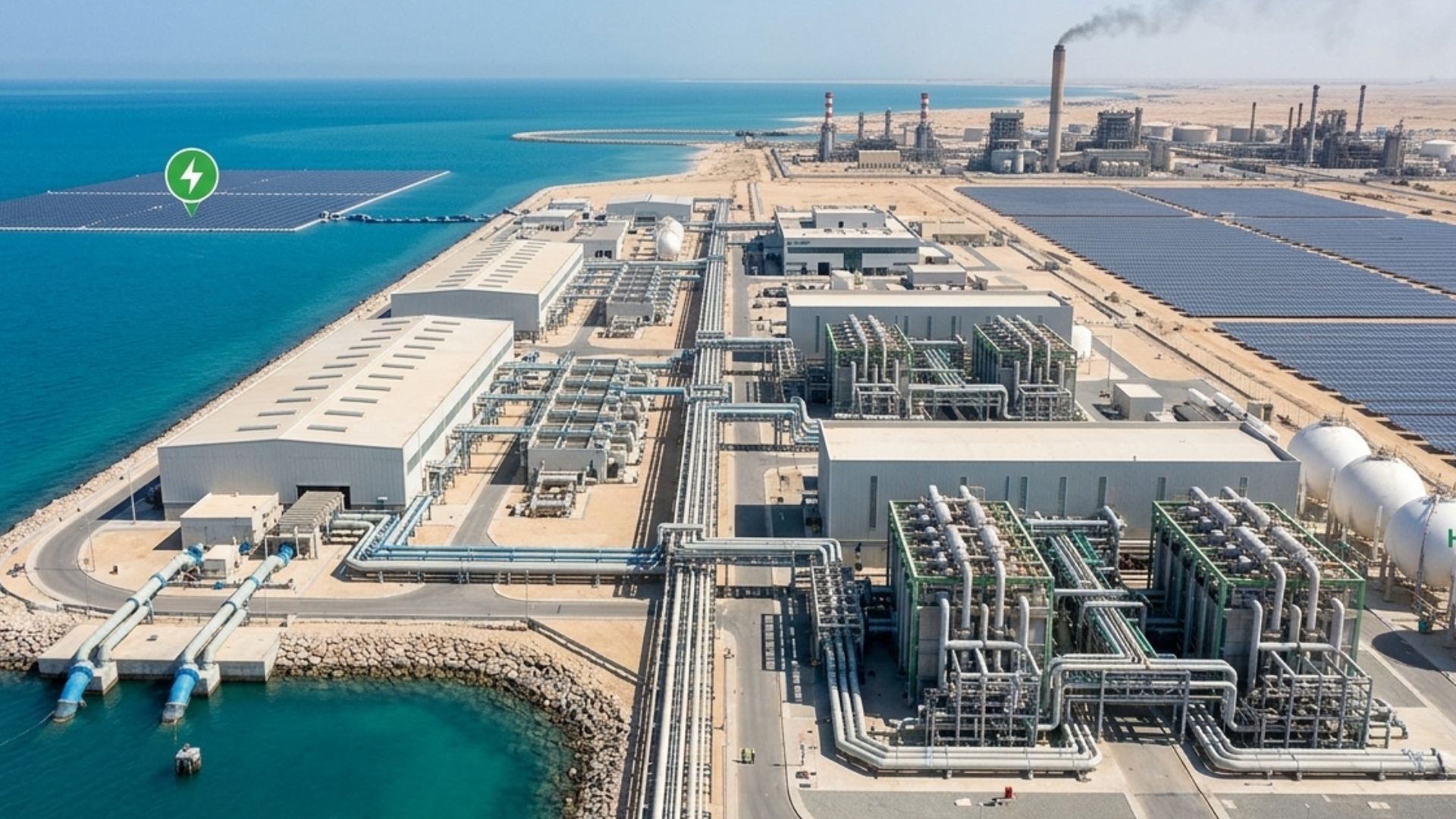
EDPR’s Agreement With Lhyfe Aims For Profit Generation And The International Growth Of The Companies
The agreement made with EDPR aims to generate profits through a partnership between the two companies, promoting the growth of EDPR’s portfolio, especially in France, and contributing to the growth of Lhyfe’s projects worldwide. Additionally, the partnership between the two companies contributes to the acquisition of more operational and commercial technologies for the renewable hydrogen project.
The alliance with Lhyfe reaffirms EDPR’s bet on renewable hydrogen. As a result, the team forms the H2BU (H2 Business Unit), a business unit dedicated exclusively to the development of renewable hydrogen projects, focusing on developing opportunities in promising areas, such as steel and chemicals, refineries, and cement factories as well as long-haul and heavy transportation.
EDPR Had Several Renewable Hydrogen Production Projects
EDP has been in the clean energy solution sector for a long time through numerous projects such as GreenH2Atlantic, a 100 MW renewable hydrogen energy project in Sines (Portugal). EDPR is also promoting other projects in Spain and Brazil as part of its transformation plans to convert coal plants into clean technology facilities. Additionally, EDPR is heavily involved with major hydrogen players, leveraging its critical portfolio of renewable assets, particularly in the U.S.
The efficiency of hydrogen is supported by the forecast that global demand for hydrogen will increase sixfold between 2020 and 2050, reaching 530 million tons by 2050, driven by financial growth and the doubling of consumption, both in industry and mobility. It is expected that the share of renewable hydrogen will represent 60% of total hydrogen demand by 2050.







Be the first to react!