Portuguese
  Spanish


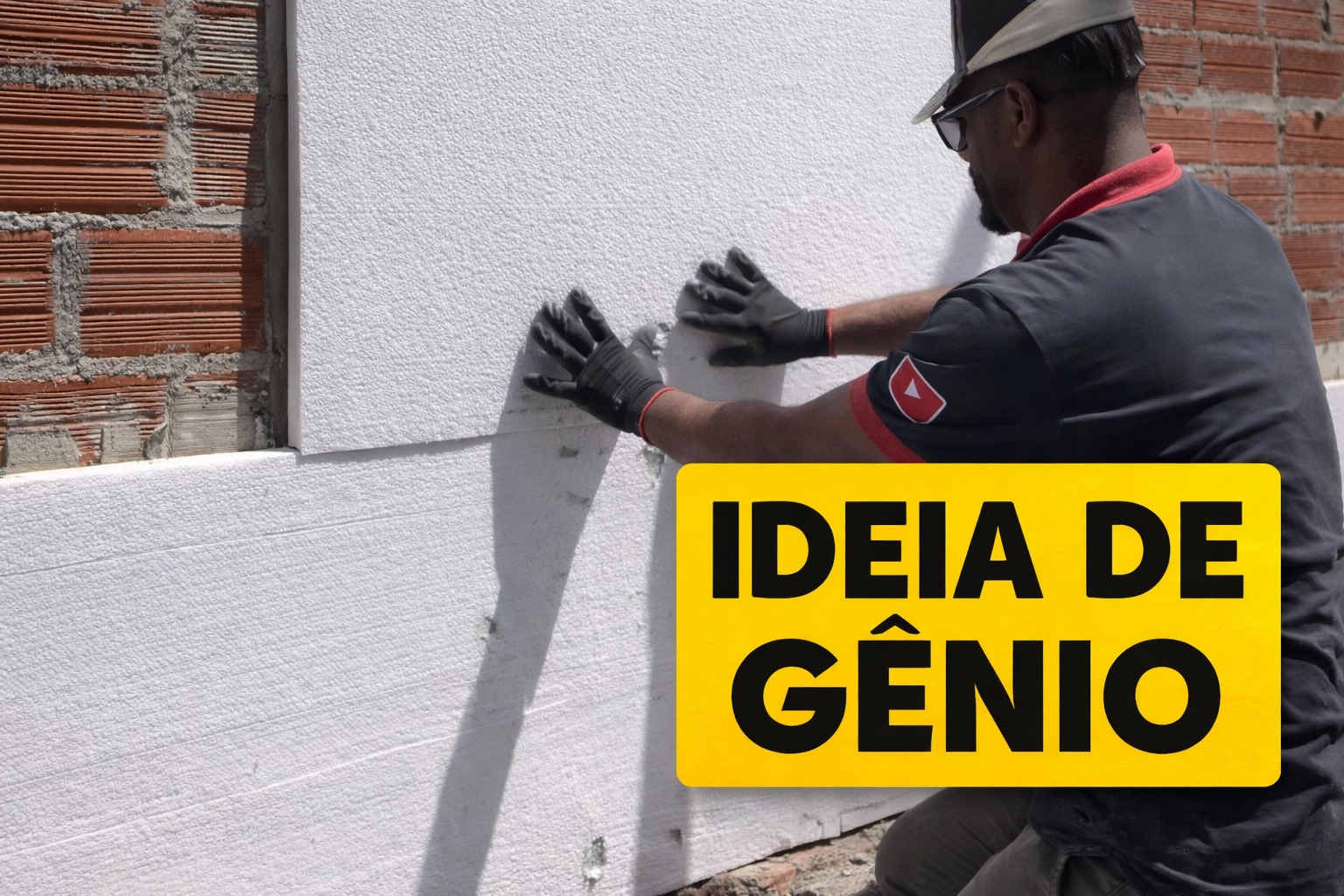


Applied As Continuous External Insulation, The Capoto System With EPS Protects The Masonry, Reduces Thermal Exchanges And Noises, Requires Adequate Drainage, Precise Alignment Of The Boards And Correct Surface Preparation To Ensure Performance And Durability
The Capoto System With EPS Is Applied As An External Coating On Buildings To Reduce Heat And Noise, Protect The Masonry And Prevent Infiltrations, Provided That The Execution Allows For Adequate Drainage, Correct Alignment Of The Boards And Technical Preparation Of The Surface, Directly Impacting The Comfort And Durability Of The Facade.
The Role Of External Insulation In Protecting The Masonry
The system functions As A Continuous External Layer That Envelops The Building, Reducing Thermal Exchange With The Environment And Mitigating The Influx Of External Noises.
In Addition To Comfort, The External Coating Protects The Masonry Against Climatic Variations, Minimizing The Emergence Of Construction Pathologies When The Condensation Drainage Occurs Properly.
-
Woman Turns Shipping Container into Home, Embraces Rural Life to Cut Monthly Expenses to Just Over $330

-
France Revamps 530 Social Housing Units with Large Balconies and Glass Facades Without Demolishing Existing Buildings

-
Facing high rent, couple transforms parents’ garage into a fully functional apartment, creating a complete home at a fraction of the market cost.
-
MIT Scientists Develop Method to Transform CO₂ into a Construction Ally, Boosting Cement Strength by 13% in 24 Hours for More Sustainable Infrastructure




The Importance Of Wall Breathability
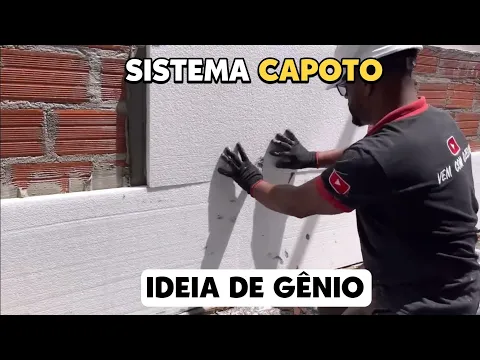
During The Fixation Of The EPS Boards, The Wall Cannot Be Completely Sealed, As The Natural Condensation Needs A Clear Path For Vertical Drainage.
The Adhesive Strips Should Create A Continuous Gap, Allowing The Wall To Breathe And Preventing Water From Being Trapped Behind The Polystyrene.
When The Condensation Does Not Drain, Moisture Can Migrate Inside, Affecting The Comfort Of The Rooms And Compromising The Facade Structure Over Time.
Flow Test Confirms The Efficiency Of The System
The Drainage Verification Is Done With A Simple Test, Pouring Water At The Top Of The Installation To Observe The Flow At The Bottom.
When The Water Drains Freely, The Test Confirms That There Is No Hidden Accumulation, Reducing Risks Of Internal Moisture And Future Failures In The Coating.
Practical Content Explains The Step-By-Step Execution
Those Looking For Thermal And Acoustic Insulation Can Find A Detailed Video From The Channel VEM COM OZEIAS NA CONSTRUÇÃO, With Over 5 Million Views.
In The Material, Ozeias Presents Each Step Of The Capoto System With EPS, Showing Practical Care With Fixation, Drainage And Finishing Of The Facade (Source: VEM COM OZEIAS NA CONSTRUÇÃO).
Correct Fixation Guarantees Alignment And Savings
The Glueing Of The Boards Is Done With Cementitious Mortar Of The Base Coat Type, Applied Directly On Bricks Or Structural Blocks.
The Boards Should Be Pressed With A Ruler To Ensure Perfect Alignment, Reducing Material Consumption And Preventing Visible Undulations In The Final Finishing.
The Placement Follows A Binding Logic Similar To That Of The Bricks, Staggering The Vertical Joints To Improve The Stability Of The Assembly.
The Cutting Of The EPS Is Simple, Light And Fast, Done With A Utility Knife And A Straight Edge, Which Reduces Waste And Speeds Up The Execution Of The Work.
Reinforcements Prevent Cracks At Critical Points
At The Corners And 90-Degree Junctions, Structural Reinforcement Is Indispensable To Absorb The Building’s Natural Movements.
The Corner Mesh Acts To Prevent Cracks In These Sensitive Areas, Ensuring Visual And Functional Integrity Of The Coating Over Time.
Surface Preparation Assures Resistance
Before The Finishing, The EPS Needs To Have Its Pores Opened By Sanding Or Grooving, Improving The Adhesion Of The Mortar.
The Sequence Includes Opening Pores, Applying The Base, Installing The Fiberglass Mesh And Final Layer After About 4 Hours.
Final Performance And Complementary Benefits Of The System
When Well Executed, The System Creates A Continuous Thermal Acoustic Barrier, Reducing Heat In The Summer, Cold In The Winter And External Noises.
The Finished Facade Receives Textures Or Decorative Paints, Maintaining Structural Lightness, Low Material Consumption And Greater Durability Of The Constructive Set.
With Information From BMC News.