






 Portuguese
  Spanish


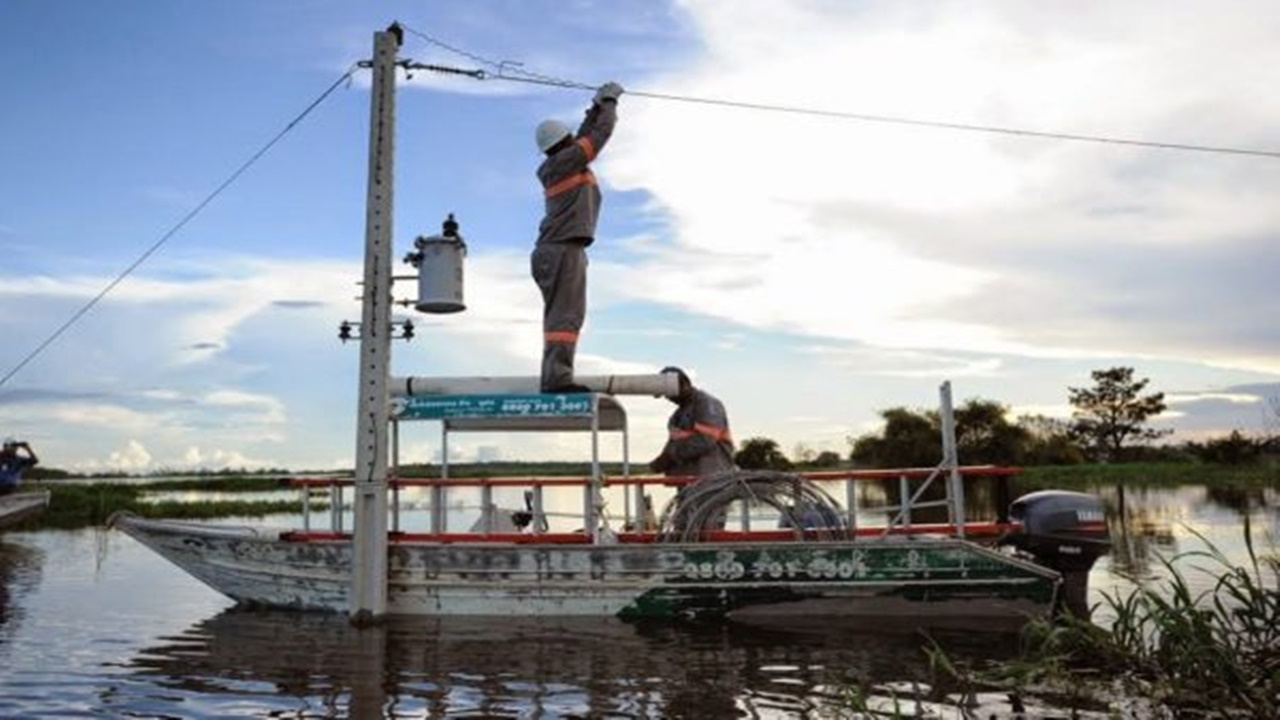

UN Energy Pact Between Eletrobras and BNDES Should Benefit 3 Million People Living in Isolated Areas of the Amazon Not Served by the Interconnected Energy System
Eletrobras signs an Energy Pact with the National Bank for Economic and Social Development (BNDES) to work together in seeking solutions that promote renewable energy generation in the Amazon. The Pact takes place within the scope of the United Nations (UN) global call for the presentation of “Energy Compacts,” which were formalized during the UN High-Level Dialogue on Energy, an event held from September 22 to 24.
Related Articles
- Gerdau, Brazil’s Largest Steel Producer, Calls for Inexperienced Candidates to Apply for 221 Job Openings in Steel Mills
- Petrobras, the Brazilian Oil Giant, Opened a Notice on Monday (09/20) in the State of ES for Enrollment in the Social Digital Inclusion Program
- Possible Default by Chinese Multinational Giant Evergrande May Impact Brazilian Agribusiness
- The Return of the Extremist Group Taliban to Power in Afghanistan Causes Changes in the Global Socioeconomic Scenario and Is Expected to Create Uncertainties in the Oil Market
As part of the BNDES and Eletrobras Pact presented to the UN, diagnostic studies will be conducted on the economic, technological, legal, and regulatory aspects to be considered in a plan to replace diesel generation with clean energy in the Isolated Systems of the Amazon, remote regions not served by Interconnected Systems. Currently, over 90% of the installed energy capacity in these regions, where about 3 million people live, is based on diesel thermal units, a highly polluting fossil fuel source.
The event seeks to accelerate actions that promote the implementation of the energy goals and objectives of the UN 2030 Agenda, catalyzing innovative solutions, investments, and partnerships to achieve the Sustainable Development Goals (SDGs) and accelerate the implementation of the Paris Agreement.
-
Robots Clean Solar Panels in Desert Power Plants Without Water, Preventing Energy Losses

-
Brazil’s Offshore Wind Energy Potential Worth $1 Trillion Stalled by Long-Delayed Agreement

-
World’s Largest Engie Solar Plant in Brazil Highlights Billion-Dollar Energy Waste Issue: Company Considers Batteries and Bitcoin Mining to Avoid Wasting Production

-
Air Products Cancels $2.9 Billion Clean Hydrogen Megaproject in Louisiana, Shuts Down Arizona Unit, Highlighting High Costs of U.S. Energy Transition


Proposed in Partnership With Eletrobras, Pact Aims to Enable Renewable Energy Projects to Replace Intensive Diesel Use in the Amazon
Energy Compacts are voluntary commitments from countries, companies, institutions, and other interested actors, such as local governments and NGOs, with specific actions that contribute to SDG 7, which envisions universal, reliable, modern, and affordable access to clean energy by 2030.
“Brazil was chosen by the UN as one of the global leaders of the energy transition in the High-Level Dialogue on Energy. With this pact, BNDES presents its contribution as one of the largest financiers of renewable energy in the world,” comments the Director of Infrastructure Credit, Petrônio Cançado.
The joint initiative will also assess financing mechanisms for projects promoting the greening of the Amazon energy matrix and the current regulatory incentives, as well as study new incentives for project implementation.
“For Eletrobras, it is an honor to integrate global efforts at a time when the world is turning its attention to the energy transition, based on low-carbon emissions and renewable sources. As the largest power company in Latin America and a reference in clean energy generation, Eletrobras has much to contribute to this theme and to achieving SDG 7, which is a prioritized objective in our business strategy, in synergy with our value creation model,” stated Eletrobras President Rodrigo Limp.
Actions to promote pilot projects and encourage collaborations between interested institutions are also planned. The results of the pilot projects and the contributions of the involved institutions will be evaluated so that a public policy plan with specific decarbonization targets can be proposed for the 2025 to 2030 period within the context of the UN 2030 Agenda.
Initiative Takes Place Within the UN Global Call to Make Clean Energy Accessible to All by 2030
“The declaration of the Energy Pact is yet another effort by BNDES to act as a driver for accelerating investments related to the transition of the Brazilian energy matrix to renewable sources,” comments the Director of Productive and Socio-Environmental Credit at BNDES, Bruno Aranha. “The initiative is fully aligned with the Bank’s actions on the ESG (Environmental, Social, and Governance) agenda,” he adds.
BNDES and the SDGs – BNDES works for Brazil’s sustainable development, guiding its actions by its commitment to local realities and the international community. For this reason, it has joined the UN in promoting the 2030 Agenda, which envisions an action plan to eradicate poverty and promote dignified living conditions worldwide by 2030. In its Long-Term Strategic Planning, the Bank has established seven missions that respond to the challenges of Brazilian development, guiding its major agendas, and all of these are related to the SDGs. Learn more about BNDES’s contribution to the SDGs here.
About Eletrobras – Eletrobras is the leading company in the generation and transmission of electric power in Latin America. Responsible for 29% of the installed generating capacity in Brazil, it contributes to making the country’s energy matrix one of the cleanest in the world, as 97% of its installed capacity comes from low greenhouse gas emission sources. Eletrobras’s corporate guidelines are aligned with the Sustainable Development Goals (SDGs), which have been integrated into its business strategy since 2017. Reinforcing its commitment to the 2030 Agenda, specific indicators and targets are established for each of the nine prioritized SDGs in the company’s strategic plan.
About BNDES – Founded in 1952 and currently linked to the Ministry of Economy, BNDES is the main instrument of the Federal Government to promote long-term investments in the Brazilian economy. Its actions focus on the social, environmental, and economic impacts in Brazil. The Bank offers special conditions for micro, small, and medium enterprises, in addition to social investment lines aimed at education and health, family farming, basic sanitation, and urban transportation. In times of crisis, the Bank acts counter-cyclically and helps formulate solutions for the resumption of economic growth.


