Portuguese
  Spanish


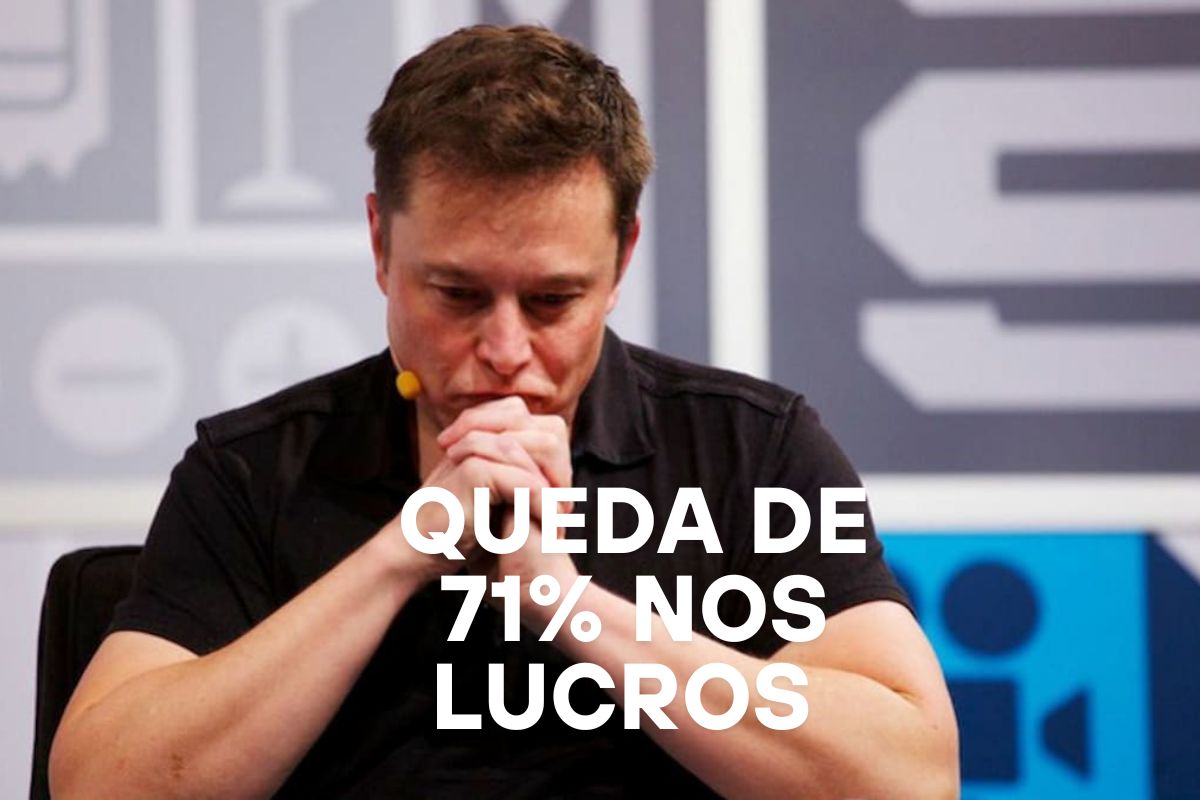

CEO Announces Change After 71% Drop in Tesla Profits; Political Involvement and Chinese Competition Are Cited as Causes.
The Tesla of Elon Musk recorded a 71% drop in profit in the first quarter of 2024, totaling US$ 409 million. After criticism of his involvement in the Trump administration, Musk announced a reduction in political activities to focus on the company. Understand how the crisis affects the brand and its future plans.
Historic Drop in Tesla Profits and Sales
The Tesla of Elon Musk faced its worst quarter since 2022, with a 13% drop in vehicle deliveries (336,681 units). Revenue fell 9%, totaling US$ 19.3 billion, below Wall Street’s expectations. The company’s stock lost more than 40% of its value in 2024, pressured by political and tariff uncertainties.
The automaker attributed the decline to a “change in political sentiment” and “rapid evolution of trade policies,” which impacted the supply chain and global demand.
-
Eco Invest Auction Aims to Unlock $10 Billion in Investments, Focusing on Green Fertilizers, Critical Minerals, Batteries, and AI for Clean Industry in Brazil

-
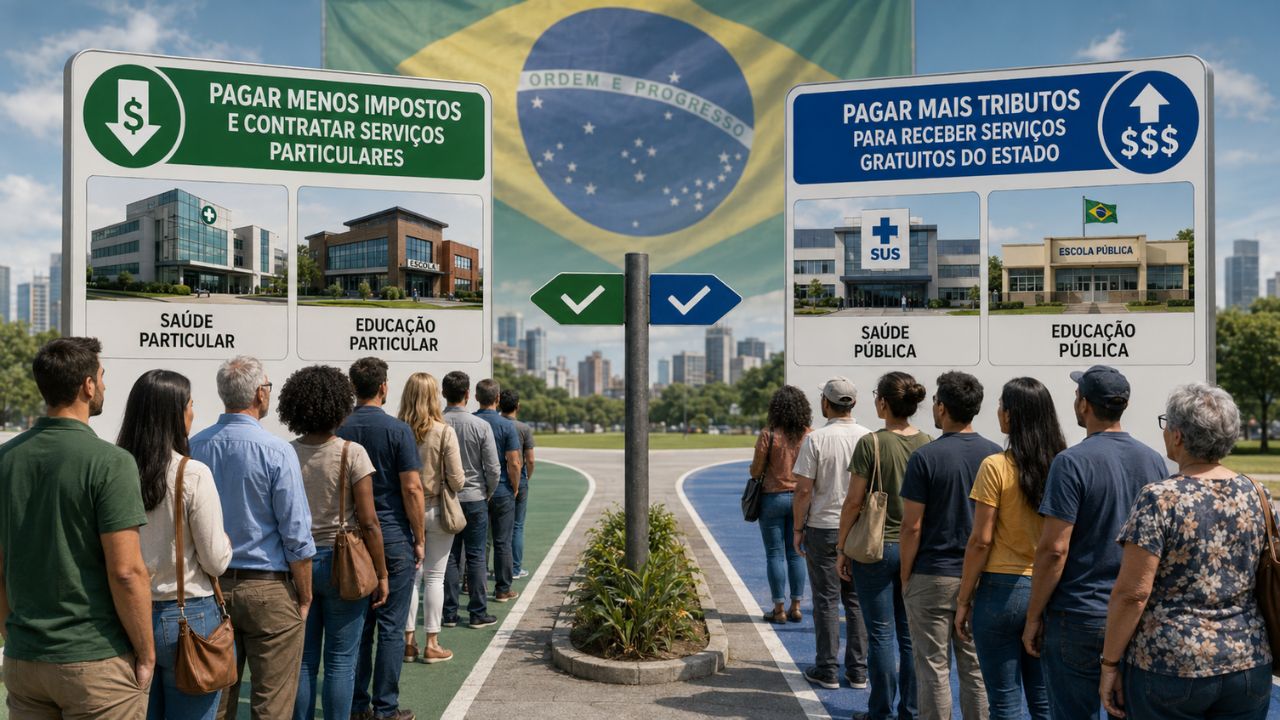
Half of Brazilians Prefer Lower Taxes with Private Health and Education, While 44% Opt for Higher Taxes for State-Provided Services, Datafolha Survey Reveals

-
Brazil’s Most Expensive Toll Rises to R$ 40.60 on Route from São Paulo to the Coast, Nearly Matching Bus Fare to Santos

-
As Brazil Expands Social Welfare, Survey Reveals 40% Blame Poverty on Laziness, While 58% Cite Lack of Opportunities




Musk’s Political Involvement and Impact on the Brand
Musk’s role as an advisor in Trump’s Department of Government Efficiency (Doge) sparked protests and boycotts, especially in California, where sales plummeted. The Tesla of Elon Musk also suffered from vandalism at dealerships and loss of customers in markets critical of the Trump administration, such as Europe.
In the earnings conference, Musk stated that he would “significantly” reduce his dedication to the Doge starting in May, dedicating only 1-2 days a week to government issues.
Chinese Competition and Tariff War
The Tesla of Elon Musk faces pressure from rivals like BYD, Xpeng, and Nio, which dominate the market with affordable electric vehicles and advanced technology. BYD, for example, launched an ultra-fast charging system, while Tesla suspended orders for Models S and X in China due to 145% tariffs imposed by the U.S.
Trade tensions have raised costs of imported components, forcing the company to review prices or reduce profit margins.
Investment in Autonomous Technology and New Economic Model
To regain ground, the Tesla of Elon Musk has intensified its focus on robo-taxis, with a launch planned in Austin (June) and California (2024). The company has also promised a cheaper model later this year, although without revealing prototypes.
Tesla’s energy division, which produces batteries, has been impacted by the commercial landscape, but the brand maintains autonomous driving as a priority for future revenue.
The Tesla of Elon Musk is seeking to recover after financial and political crisis. With Musk’s reduced involvement in the Trump administration and investments in innovation, the automaker is trying to reclaim market share amid the tariff war and global competition.