Portuguese
  Spanish


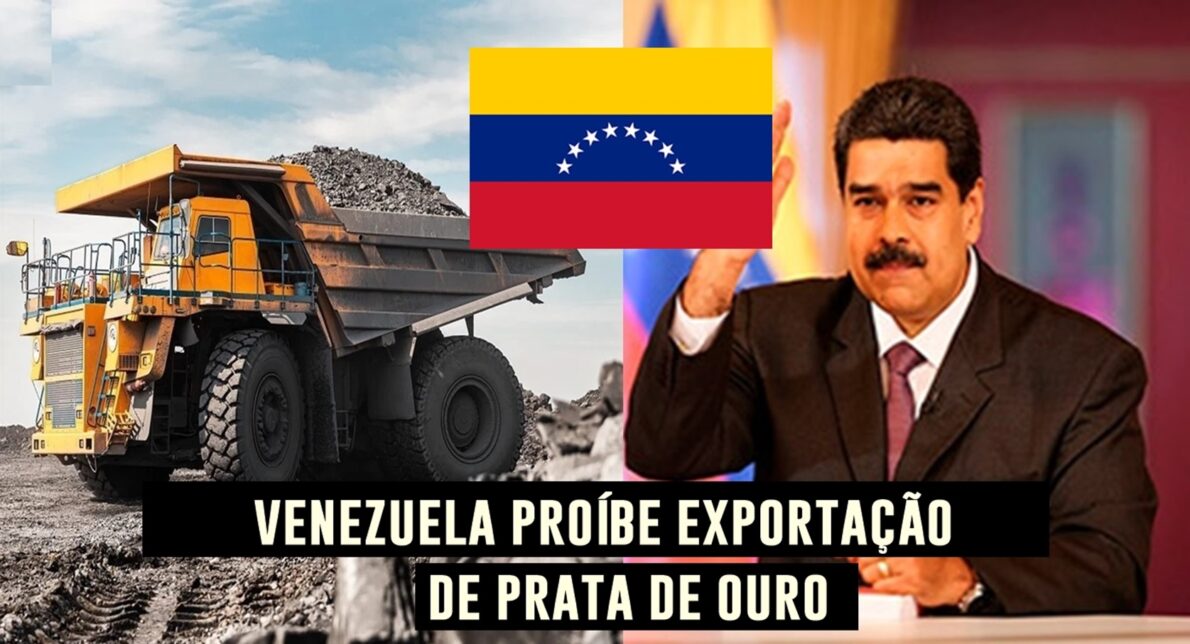

Economic Tension: With US Sanctions in Sight, Maduro Decides to Restrict Gold and Silver Exports in Venezuela, Increasing Uncertainty About the Mineral Market
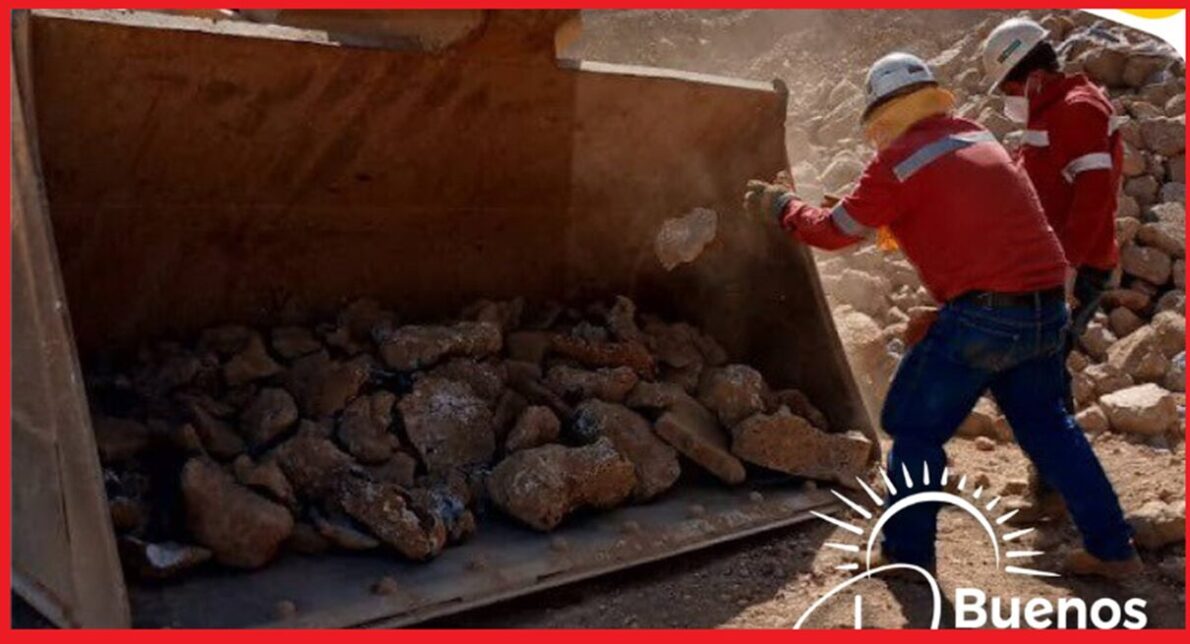
The government of Venezuela, led by Nicolás Maduro, announced a new measure that impacts the economy: the immediate suspension of exports of various minerals. The decision, disclosed by the Venezuelan Mining Corporation (CVM), aims to restrict the commercialization of resources such as gold, silver, coltan, bauxite, thorium, tin, copper, and rhodium.
These materials, widely exported from the ports of Puerto Ordaz and the Boca Grande II transfer station, are temporarily blocked from the international market, and the measure will remain in effect until further notice.
Amid this scenario, it is noteworthy that the export of other essential resources, such as iron, steel, aluminum, and their derivatives, continues to operate normally. Additionally, operations at Venezuelan ports remain unchanged, and no significant incidents were recorded during the recent electoral period in the country.
-
Study Reveals 97% of Pregnant Munduruku Women in the Brazilian Amazon Have Mercury Levels Above Safe Limits, 90% of Newborns Contaminated by Gold Mining

-
China could reduce iron ore imports from 80% to 50% of consumption by 2030, while its share in global steel production falls from 52% to 46%, in a shift that could reshape the global market, says CMRG.
-
Brazil is sitting on one of the largest lithium reserves in the world, in the Jequitinhonha Valley, but national mining has almost become an appendage of China: 97% of the metal’s export goes to a single country, which also dominates refining.
-
Iron ore falls to 762 yuan in China as real estate sales decline and steel production hits lowest level since 2018


Political and Economic Context of Venezuela
Nicolás Maduro’s decision comes at a time when the United States is still evaluating its stance on Venezuela following the recent elections. Although they do not officially recognize Maduro’s re-election, the US government has adopted a strategy of “strategic ambiguity“, according to Venezuelan analysts.
This approach aims to buy time before deciding whether to harden or ease the economic sanctions that have been pressuring the Venezuelan economy for years.
The US sanctions, especially those imposed on the Venezuelan state-owned company PDVSA, have a direct impact on the country’s energy sector. The American giant Chevron, which has four joint ventures with PDVSA, is one of the most affected.
The sanctions not only hinder the operations of the Venezuelan oil company but also harm US companies with interests in the Venezuelan energy sector.
In recent years, Chevron and other US companies have intensified lobbying in the US Congress for relief from sanctions. As a result, in 2022, the US Department of the Treasury granted Chevron License 8M, allowing the company to maintain its operations in the country, a measure that has been renewed semi-annually up to the present time.
An Economic Impasse
The current scenario places the United States in a dilemma. On one hand, the government seeks to maintain pressure on the chavista regime. On the other, the growing dependence on Venezuelan oil and the interests of American companies in the country create a delicate situation for the Biden administration.
Meanwhile, Maduro’s decision to halt the export of valuable minerals may be seen as an attempt to control the market and protect the country’s strategic resources while trying to cope with the economic uncertainties generated by the sanctions.
The suspension of exports of these minerals directly affects the Venezuelan economy, which is already facing a deep crisis. The minerals, especially gold, represent an important source of income for Maduro’s government, and their commercialization has been one of the alternatives to mitigate the impact of international sanctions.