Portuguese
  Spanish


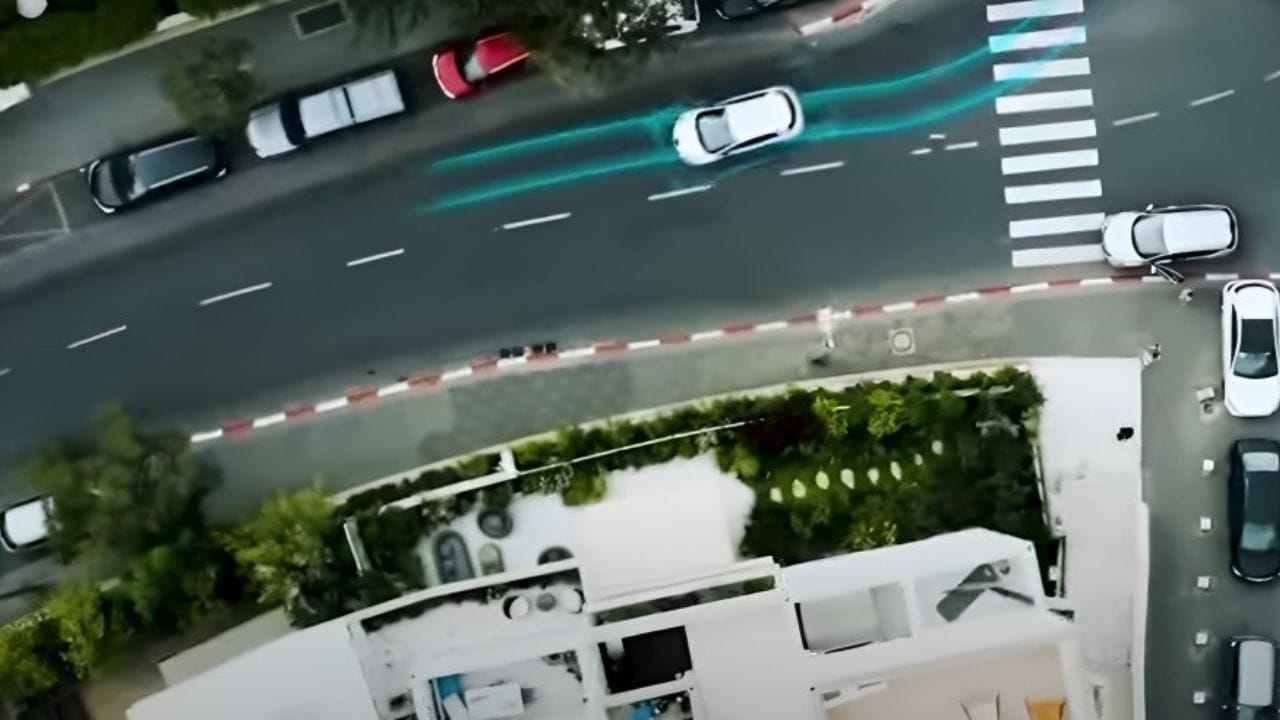

More Than a Technological Marvel, This Innovation Is a Beacon of Hope for a Sustainable Future. Electric Roads, or E-Roads, Are Specially Designed Lanes with Embedded Conductive Elements.
The main attraction of these roads is the ability to recharge electric vehicles (EVs) while in motion. As the vehicles pass over these lanes, they connect to the conductive elements, allowing for a continuous transfer of electrical energy from the road to the batteries of the vehicles.
The design eliminates the need for frequent stops to recharge, one of the main obstacles to the mass adoption of electric vehicles.
This phenomenon, known as “range anxiety”, has been a headache for EV users. With electric roads, concerns about battery range become a thing of the past.
-
The Port of Itaqui closes the best first semester in history with over 17 million tons and takes off as the locomotive of the Northern Arc.

-
End of an era in Brazil: beloved sedan by Brazilians is discontinued despite having a 2.0 engine with 151 hp, CVT transmission, 466-liter trunk, and up to 650 km of range.

-
Brazil’s North-South Railway to Auction Two Grain Terminals in Central Tocantins

-
AI-powered traffic cameras in São Paulo now issue fines for cellphone use and seatbelt violations around the clock




The Technology Behind the Project
Two prominent methods are being employed for charging vehicles. The first is conductive charging, where a robust metal strip on the vehicle slides over an electrified rail embedded in the road. This ensures a direct and continuous transfer of electrical energy from the road to the vehicle.
Another fascinating method is inductive charging, where special equipment buried beneath the road sends electricity to a coil in the electric vehicle, charging its battery without any physical contact.
The entire infrastructure of e-roads, or photovoltaic highways, is designed with robust insulation and real-time monitoring systems to ensure safety and functionality in all weather conditions.
While Sweden is at the forefront, the vision is global. Countries like Italy, the United Kingdom, the USA, and India are already exploring the potential of electric road systems. Collaborative efforts, such as those between Sweden, Germany, and France, are accelerating research and implementation of this innovative technology.
Electric roads are not only a promising innovation but also a practical solution to various environmental and logistical challenges that the world faces today. With the European Union aiming for zero CO2 emissions from new cars by 2035, e-roads are leading the charge toward a fossil fuel-free future.