






 Portuguese
  Spanish


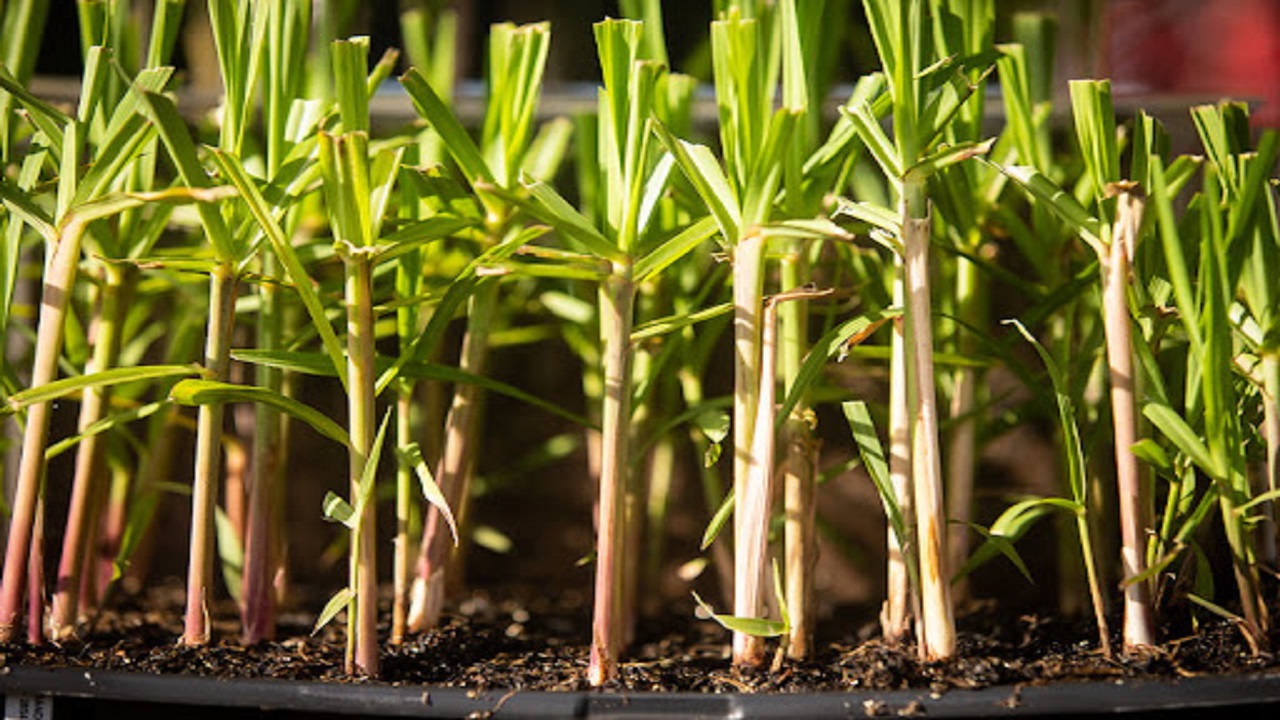

Embrapa Just Developed A Non-Transgenic Sugarcane That May Facilitate The Production Of Ethanol And Bioethanol In Brazil, Potentially Boosting The National Economy
Embrapa Agroenergia, a branch of the Brazilian Agricultural Research Company, which seeks ways to recycle biomass and waste, has developed a sugarcane that allows for better utilization for the production of ethanol and other benefits, without having a transgenic plant. This, according to the company, makes the product the world’s first non-transgenic sugarcane, which can boost the national economy. To achieve the intended result, Embrapa used a technique based on genomic editing research that brought the Nobel Prize in Chemistry in 2020 to scientists Jennifer A. Doudna and Emmanuelle Charpentier.
Read Also
Embrapa’s Technology Promises To Revolutionize Ethanol Production
The technology studied by the scientists uses an enzyme that cuts the DNA of the sugarcane at predetermined points, modifying only a few specific regions.
-
Brazil’s 2026 Tax Refund: Record 9.58 Million Filers in Largest Payout Ever, But a Key Detail on Priority Recipients Draws Nationwide Attention

-
Itaú Alters Hybrid Work Model, Increasing Office Days from 2028, Prompting Employees to Adjust to New Routine
-
Facing Labor Shortage, Japan Plans to Invest $34 Million to Attract Foreign Workers in Construction, Healthcare, Industry, and Commerce

-
Brazilian City Makes Remarkable Leap, Becomes 4th Wealthiest in the Country with GDP of R$ 134.1 Billion




According to Hugo Molinari, a researcher at Embrapa, the controversy generated regarding the use of transgenic plants in agriculture led every country in the world to create specific regulations on the subject, which increased the cost of introducing genetically modified varieties into the market, such as the genetic cane.
Molinari highlights that today we can observe the emergence of a new technology that can drive the Brazilian economy, genome editing, which does not require the insertion of exogenous sequences from other species into the genome of the target species.
Embrapa Developed Two Types Of Genetic Cane For Ethanol Production
The research and work of Embrapa generated two new plants, named Cane Flex I and Flex II. With the changes, they made it easier for the enzymes to access the sugars trapped in the cells, where energy is stored, facilitating the production of ethanol and also the extraction of other bioproducts.
In Cane Flex I, the gene responsible for the rigidity of the plant’s cell wall was silenced, which increased its digestibility, allowing greater access for the enzymes during the stage when the plant biomass is harvested.
Cane Flex II, which will boost the economy with ethanol production, was created when a gene in the plant’s tissues was silenced, allowing for a considerable increase in sucrose production.
Understand Why CTNBio Classifies Genetic Cane As Non-Transgenic
Since in both canes produced by Embrapa only the silencing of the genes was performed, meaning the nullification of their action without any modification of the plant’s DNA, the National Technical Commission on Biosafety (CTNBio) classified the newly developed varieties as non-transgenic.
According to Embrapa, which produced the new varieties, Flex II showed an approximate 200% increase in sugar in the leaves of the genetic cane, as well as a 15% increase in sucrose in the stem.
Explanations from the company’s scientists state that, in addition to generating a bagasse with greater digestibility in the feed of animals such as cattle, the new technology can increase the efficiency in the production of bioethanol, further boosting the Brazilian economy.







