






 Portuguese
  Spanish
  3 min of reading
  0 comments


Sustainable Takeoff Towards the Future
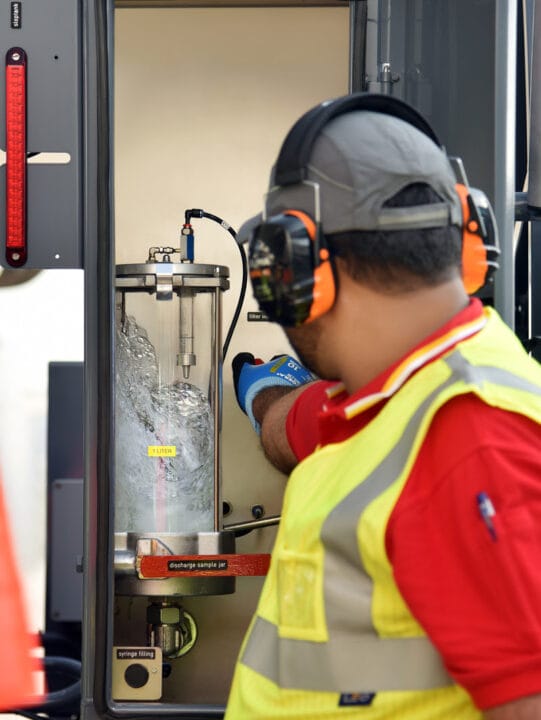
Emirates, one of the world’s largest airlines, is making a leap towards sustainability with the first flights operated by sustainable aviation fuel (SAF) departing from Dubai, in a pioneering initiative provided by Shell Aviation. This move marks a significant milestone for aviation, starting with flight EK 412, which took passengers to Sydney on October 24, demonstrating Emirates’ commitment to greener practices.
SAF: The New Era of Aviation Fuels
Shell Aviation supplied Emirates with 315,000 gallons of blended SAF, a mixture of 40% SAF and 60% conventional Jet A-1 fuel, for use at its hub at Dubai International Airport (DXB). This blend can be used without changes to the existing fuel infrastructure or the engines of Emirates’ fleet, representing a significant advancement in the adoption of alternative and more eco-friendly fuels in aviation.
Reduced Environmental Impact
SAF has the potential to reduce greenhouse gas emissions by up to 80% over its lifecycle, compared to traditional aviation fuel when used in its pure form. Monitoring the delivery, use, and environmental benefits of SAF is conducted by Shell Aviation’s Avelia platform, which uses blockchain technology for transparency in tracking these benefits.
-
Illiterate or semi-literate grandmothers were trained to repair solar systems, open rural workshops, and light up homes that still depended on kerosene.

-
US$ 7 billion, green hydrogen, and steel with up to 95% less CO₂: the first green steel plant on the planet emerges in Sweden and targets Brazil as the next chapter

-
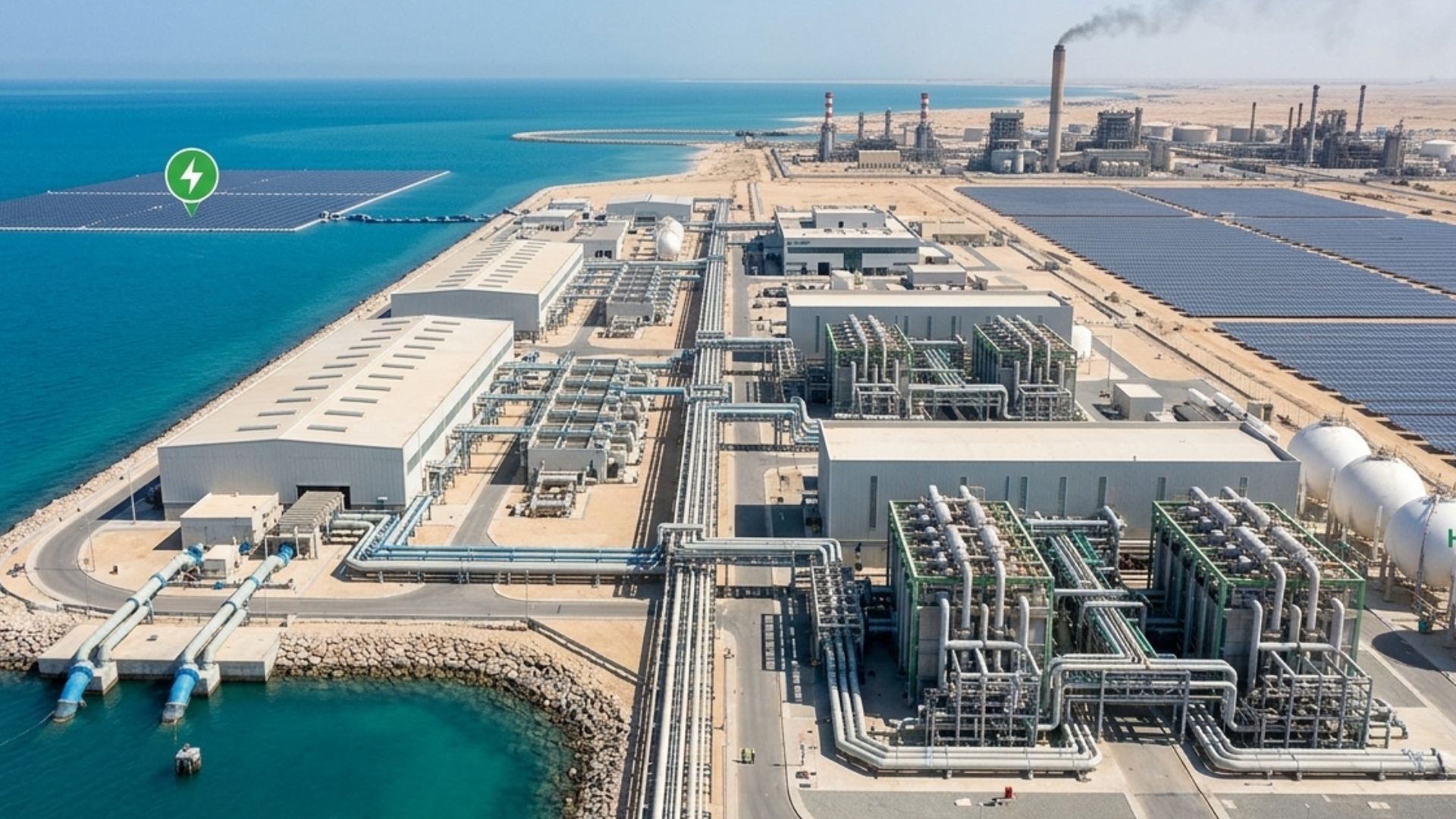
The world has bet on green hydrogen as the fuel of the future, but now faces the side effect: producing 1 kilogram requires about 9 liters of ultrapure water, and the largest projects on the planet are precisely in the driest regions of the Earth, where water is already scarce for people.

-
Africa has about 500,000 cell towers and most still burn diesel to operate, while companies rush to cover antennas with solar energy and avoid signal blackouts.



Partnerships for Sustainable Progress
The collaboration between Emirates and Shell, which has been longstanding, gains a new chapter with the integration of SAF in Dubai. The words of Emirates Airline President Sir Tim Clark and Shell Aviation President Jan Toschka emphasize the importance of this partnership and the hope that the success of this project will encourage the use of SAF throughout the aviation industry, increasing its availability globally.
Commitment to Sustainability
Emirates is no stranger to the field of sustainability. By establishing a $200 million fund for R&D focused on reducing the impacts of fossil fuels, the company is leading some of the most significant initiatives in the industry to promote sustainable aviation. The airline seeks partnerships to advance fuel and energy solutions that can transform the sector.
Advancements in the Aviation Industry
Emirates has been an active voice in promoting the research and understanding of SAF, and its first demonstration flight with 100% SAF in the region is just one example of its commitment. The company is also an active participant in industry and government working groups to drive the production and supply of SAF.
About Emirates
Emirates, with its global hub in Dubai, is known for its high-quality service that connects passengers worldwide, offering an exceptional travel experience with a modern fleet of aircraft and innovative onboard services. The airline strives to operate in an environmentally responsible manner, focusing on three main areas: emission reduction, responsible consumption, and wildlife and habitat protection, reaffirming its commitment to a greener and more sustainable future in aviation.
Source: Carolina Solis Palma.






Be the first to react!