Portuguese
  Spanish


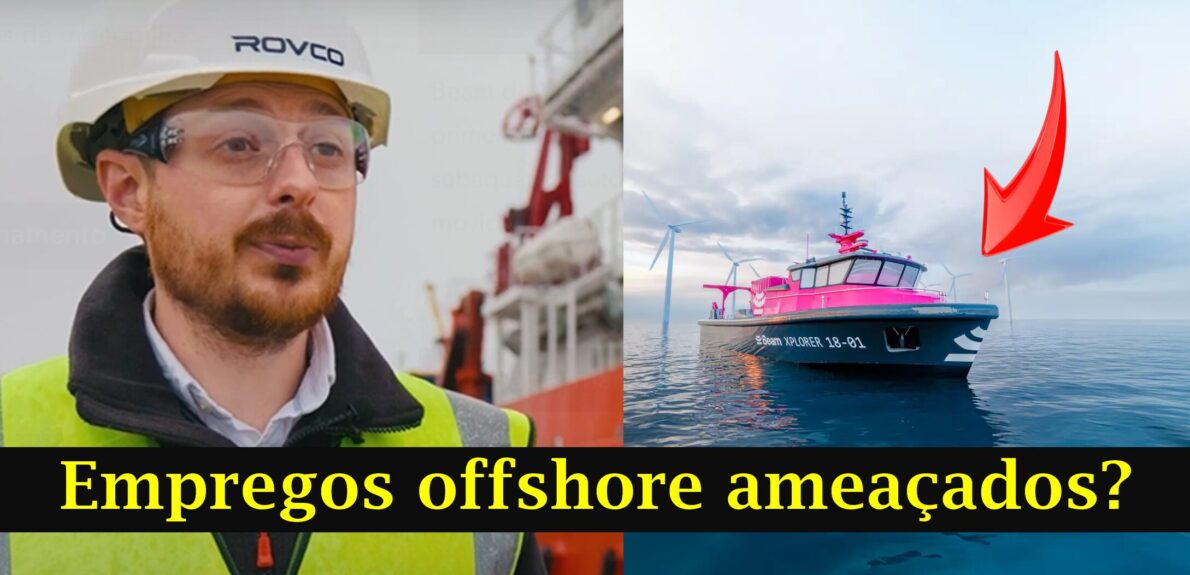

For The First Time In The World, An Autonomous Vehicle Was Used To Inspect An Offshore Wind Farm In Scotland, Marking A Revolutionary Advance In Renewable Energy Technology.
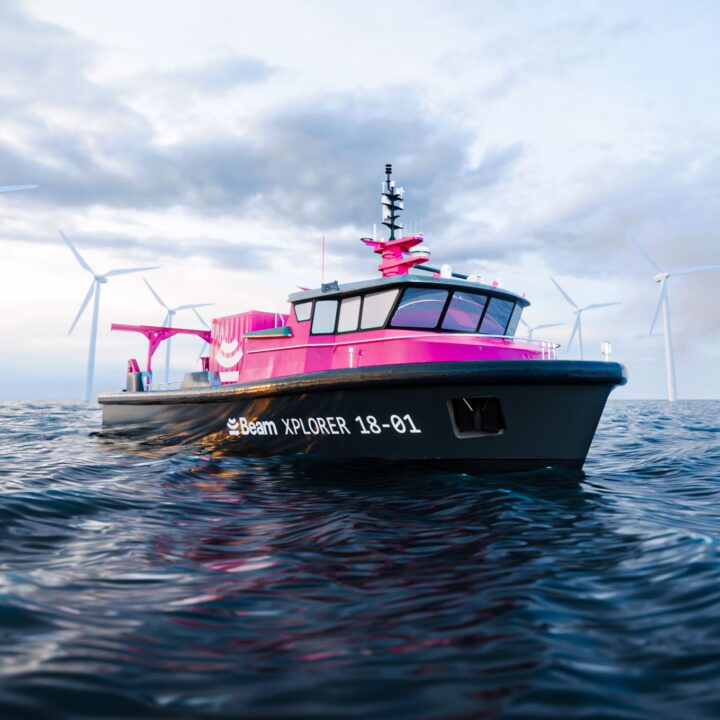
Beam, a provider of high-tech offshore wind services, has achieved a significant milestone by implementing the world’s first autonomous underwater vehicle powered by artificial intelligence (AI).
This new technology was successfully used to inspect the coating structures at the Seagreen offshore wind farm, located in Scotland. The farm is a result of a partnership between SSE Renewables, TotalEnergies, and PTTEP.
Typically, inspections of offshore wind farms are manual and time-consuming, but Beam’s solution promises to revolutionize this reality.
-
Billion-Dollar Winds Propel Wind Energy Growth in Brazil, Boosting Unprecedented Technical Workforce Development

-
Brazil filled the Northeast with wind turbines but now faces the side effect of 705 giant blades reaching the end of their lifespan by 2032 just in Rio Grande do Norte, while the world projects 43 million tons of waste by 2050.
-
Brazil has filled the Northeast with wind turbines, but now it faces the side effect of 705 giant blades reaching the end of their useful life by 2032 just in Rio Grande do Norte, while the world projects 43 million tons of waste by 2050.
-
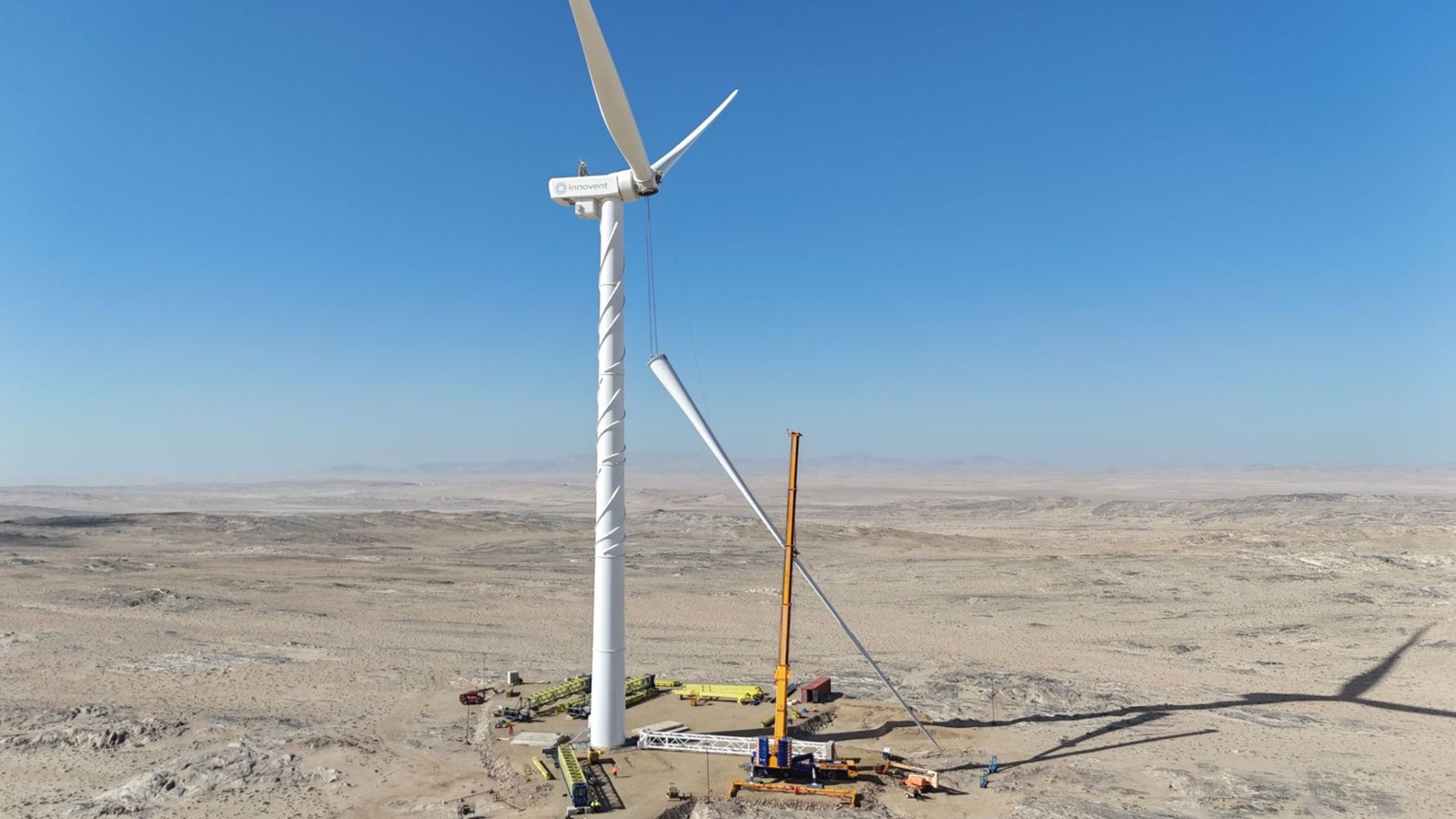
Wind farm in Namibia will have wind turbines assembled without giant cranes and is expected to avoid 200,000 tons of carbon dioxide per year when it becomes operational.


By utilizing advanced AI, the underwater vehicle is able to perform complex tasks without human intervention, delivering significant gains in efficiency and cost savings.
According to Beam, this innovation can reduce inspection times by up to 50%, as well as improve the quality of the data collected.
How The Underwater Vehicle Works
One of the highlights of this technology is its ability to reconstruct assets in 3D, integrating precise visual data. This functionality provides a more detailed view of wind assets, facilitating maintenance and long-term planning to prevent structural issues such as erosion or excessive marine growth.
Brian Allen, CEO of Beam, commented on the impact of this innovation: “We are very proud to have implemented the world’s first AI-powered autonomous underwater vehicle. Automation can revolutionize the way we conduct inspections and maintenance of offshore wind farms, helping to reduce costs and timelines. Looking to the future, the potential of this technology is enormous for the industry, and success in these initial projects is vital for us to progress and realize this vision. This would not be possible without forward-thinking clients like SSE Renewables, who are willing to embark on this journey with us.”
The Seagreen wind farm, operational since October 2023, is the world’s deepest fixed-bottom offshore farm.
The use of this new technology by Beam has provided significant learnings for the wind energy sector, especially in applying autonomous technologies in offshore environments. Accurate data collection is essential to ensure the reliability and operational efficiency of wind farms.
Matthew Henderson, Asset Technical Manager at SSE Renewables, highlighted the importance of this advancement for the future of the wind industry.


He stated that Beam’s technology not only reduces the need to send teams for inspections in remote areas but also accelerates the maintenance process and collection of essential data. “As we move into deeper waters, the ability to collect high-quality inspection data in a low-risk manner is critical for delivering our Net Zero Acceleration Program,” Henderson explained.
Beam plans to expand the use of this technology throughout its fleet of vessels and underwater vehicles in 2025 and 2026, promising to further transform operations in the offshore wind sector.
In doing so, the company positions itself as a leader in the use of AI for autonomous underwater inspections, providing a safer and more efficient way to manage wind assets in challenging environments.