Portuguese
  Spanish




High-Purity Material Is Delivered for National Production of Permanent Magnets and Reinforces Brazil’s Strategic Role in the Energy Transition
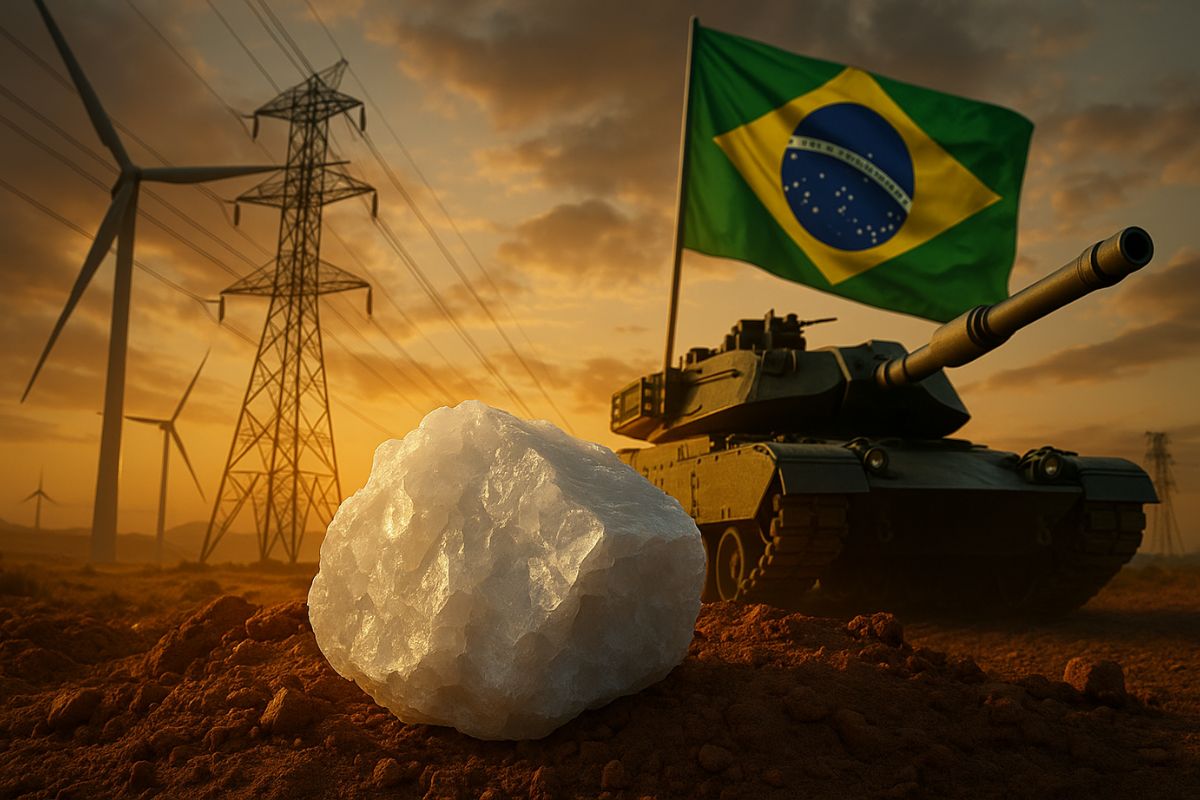
The Australian St George Mining announced the delivery of samples of rare earth oxides with over 95% purity, from the Araxá project in Minas Gerais. The material was sent to the MagBras project, a national initiative focused on local production of permanent magnets, an essential input for sectors such as electric mobility, clean energy, and defense.
According to a technical report, the sample shows low impurity levels — less than 0.2% — and contains approximately 20% Neodymium (Nd) and Praseodymium (Pr), two of the most valuable elements for high-performance magnet production. The delivery marks a milestone: it is the first time that rare earths processed in Brazil are used in the coordinated development of a national production chain for advanced technological applications.
What Is the Importance of Rare Earths from Araxá
The mining city of Araxá is already known for its mineral wealth, but the recent data released by St George reveals an unprecedented strategic potential for the country. The high concentration of critical magnetic elements such as Neodymium, Praseodymium, Samarium (Sm), and Dysprosium (Dy) positions the project as a key player in reducing Brazil’s dependence on imports in high-tech sectors.
-
Facing Labor Shortage, Japan Plans to Invest $34 Million to Attract Foreign Workers in Construction, Healthcare, Industry, and Commerce

-
Brazilian City Makes Remarkable Leap, Becomes 4th Wealthiest in the Country with GDP of R$ 134.1 Billion

-
Controversial 6-day Workweek Elimination in Brazil Faces Economic Criticism Over Productivity Claims
-
Itaú to Refund Customers After 14 Years of Unauthorized Credit Card Charges; Agreement Includes No Interest or Adjustments, Deadline by 2028, with Potential Impact of Up to $6.5 Billion





These elements are used in the manufacturing of electric motors, wind turbines, drones, guided missiles, and electronic devices — all sectors directly related to the energy transition and industrial sovereignty.
What Is the MagBras Project and Why Is It Strategic
With an investment of R$ 73 million and participation from 28 Brazilian companies, the MagBras project — “from mine to magnet” — is coordinated by the CIT SENAI ITR (Innovation and Technology Center for Rare Earth Magnets). The initiative aims to consolidate, for the first time in the country, an integrated production chain for permanent magnets, from mining to industrial application.
St George’s sample will enable the start of the separation and refining stage of the oxides, undertaken by MagBras itself, with the goal of testing the direct use of these elements in real applications. The process also involves national technical training and development of proprietary technology, with a direct impact on critical industrial chains.
How This Delivery Changes the Brazilian Landscape
For Thiago Amaral, director of ESG and Development at St George Brazil, the delivery reinforces the relevance of the country in the new energy geopolitics: “This delivery shows Brazil and Araxá’s potential to participate in a strategic supply chain for the energy transition and technological advancement,” he stated.
This move also responds to the growing global competition for critical inputs. Currently, China dominates over 80% of the production and refining of rare earths, raising alarms among countries seeking greater industrial autonomy.
Is It Worth Investing in Rare Earths in Brazil?
With the advances of the Araxá project and the structuring of centers like MagBras, Brazil is showing concrete signs that it can compete in this highly strategic market. The presence of high-quality deposits, coupled with the beginning of refining and local technological application, can generate skilled jobs, industrial innovation, and greater control over strategic inputs.
More than a mineral asset, what is being built is a national platform for technological sovereignty — with direct impacts on the green industry, defense, and energy security.
Do you believe that Brazil should invest more in the rare earth chain? Can the delivery from Araxá change the game for our industry? Share your opinion in the comments — we want to hear from those who are closely following this advancement.