





 Portuguese
  English
  Spanish
  3 min of reading


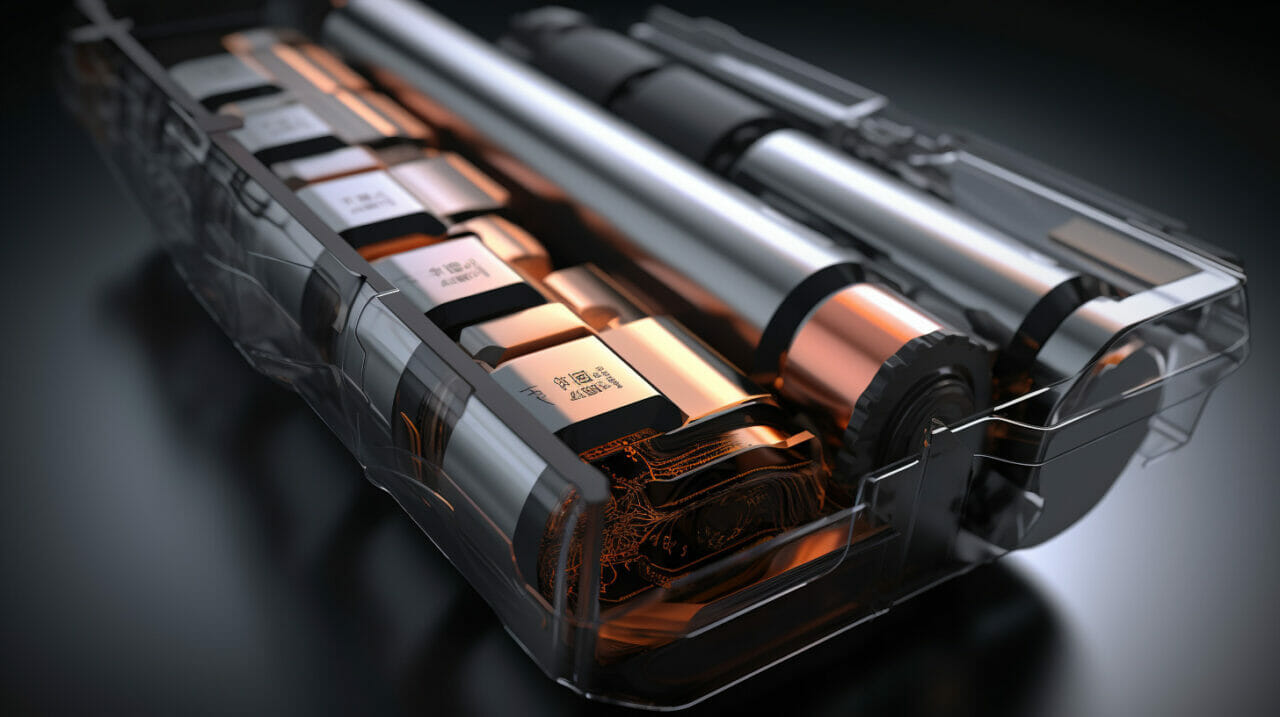
The World Is Watching Lithium, The Essential Ingredient In Batteries That Power Electric Vehicles. Demand Has Soared And With It A New Field Of Innovations For Extraction Of The Precious Metal.
This landscape ranges from oil giants in the U.S. to companies in Argentina and challenges traditional concepts of sustainability and efficiency.
In El Dorado, Arkansas, considered the heart of the 1920s Oil Boom, Standard Lithium, with support from Koch Industries, is working hard to revolutionize lithium extraction. Its goal is simple but bold: to extract lithium from brine in a matter of days, not years.
The company is part of a growing group that recognizes the potential of Direct Lithium Extraction (DLE). This innovative technique could open new pathways, not only in the U.S. but throughout the Americas, diversifying the source of lithium, which has been dominated by South America.
-
Cheaper than Fiat Pulse, Renault Kardian, and Volkswagen Tera: with a 2.0 turbo engine of 190 hp, 30.6 kgfm torque, automatic transmission, and Swedish safety package, this premium hatch delivers sports car performance at the price of a new compact: meet the Volvo V40 T4 Momentum 2017.

-
Cheaper than a new Mobi and a Polo: with a 1.8 engine of up to 139 hp, 6-speed Aisin automatic transmission, 300 liters of trunk space, and a complete equipment package, this hatch stands out for its performance and cost-effectiveness for those seeking sportiness without spending too much. Meet the Fiat Argo HGT 2018.

-
Toyota launches “family hybrid van” with 7 or 8 seats, 1.8 hybrid engine, fuel consumption of up to 23.8 km/l, and a price equivalent to about R$ 104,000 without taxes, below the Tiggo 8 Pro Plug-in Hybrid sold in Brazil: meet the Noah Hybrid 2026 in Japan.
-
With the look of a compact SUV and the price of a rational used car: 1.5 flex engine with 115 hp, automatic transmission, 420-liter trunk, and multimedia make the Caoa Chery Tiggo 2 Look 1.5 AT 2020 an unconventional alternative.


Technology That Promises To Change The Game
Robert Mintak, CEO of Standard Lithium, is clear: “DLE is an evolutionary step in the lithium industry”. He believes that this technology can sustainably fuel the growing demand for electric vehicles.
Investors are also taking notice. Billions of dollars are being poured into the technology that, according to Goldman Sachs, has the “potential to change the game” in the battery and electric vehicle industry.
Caution And Challenges
However, the path is not only lined with optimism. Even as there is a race to innovate, industry experts urge caution. These techniques still need to be tested on a large scale, and their refinement could take years.
Joe Lowry, an industry consultant known as “Mr. Lithium“, estimates that less than 15% of global lithium production will come from DLE in the next decade.
DLE also brings with it a promise of sustainability, especially compared to older practices that use large amounts of water in arid regions, threatening wildlife. The method is faster and may have a lower impact on fragile ecosystems.
Why Is Lithium So Essential For Electric Vehicles?
Lithium plays a crucial role in the manufacture of lithium-ion batteries, which are the energy core of electric vehicles (EVs). This type of battery is preferred due to its high energy density, meaning they can store a large amount of energy in a relatively small space.
Lithium-ion batteries have a longer lifespan and a lower discharge rate compared to other battery technologies, such as nickel-metal hydride. These characteristics make lithium an essential ingredient for the efficiency and effectiveness of EVs.
In an environment of growing concern about climate change and the need to reduce carbon emissions, the demand for electric vehicles is rising. As a result, the need for lithium extraction is also growing exponentially.
Lithium is responsible not only for energy storage capacity but also for the speed at which that energy can be released, translating into vehicle acceleration. Thus, without lithium, current alternatives do not offer the same balance of energy density, longevity, and efficiency, making this chemical element indispensable for the advancement of electric vehicles.






Be the first to react!