






 Portuguese
  Spanish
 3 min of reading


Once Discarded, Sand Waste Now Becomes, Thanks to Vale and Ecotech Areia from Espírito Santo, a Product for Civil Construction
Together with Vale, the company Ecotech Areia from Espírito Santo transformed what was once seen only as an economic and environmental problem: sand. Waste resulting from the extraction of iron ore, sand is generally discarded in piles and dams. Thus, what was previously thrown away and deemed useless is now treated as a product, being used in the production of mortars, concrete, road paving, among others.
The Espírito Santo-based company then became a partner of Vale – which produces what is called sustainable sand – and today, after only five months in the market, is responsible for 15% of consumption in Espírito Santo. The project, which had already been evaluated by Vale for some time, saw its development accelerated following the disasters caused by the dam collapses of Samarco – a company managed by Vale and the Anglo-Australian BHP Billiton, currently in judicial recovery – in Mariana in late 2015, and at the Córrego do Feijão Mine in Brumadinho at the beginning of 2019, which left around 300 victims, among dead and missing.
As explained by Adauto Caldara, partner at Ecotech and former employee of Vale, in the 1950s, waste was almost non-existent, as 95% of what was extracted consisted of ores. Nowadays, however, there are situations where more than 50% of what is extracted corresponds to waste, given the maturation of the mines. For Caldara, who has worked on the feasibility studies for sustainable sand, this has become a major issue, for which part of the solution is the disposal of sand through various processes and quality tests.
-
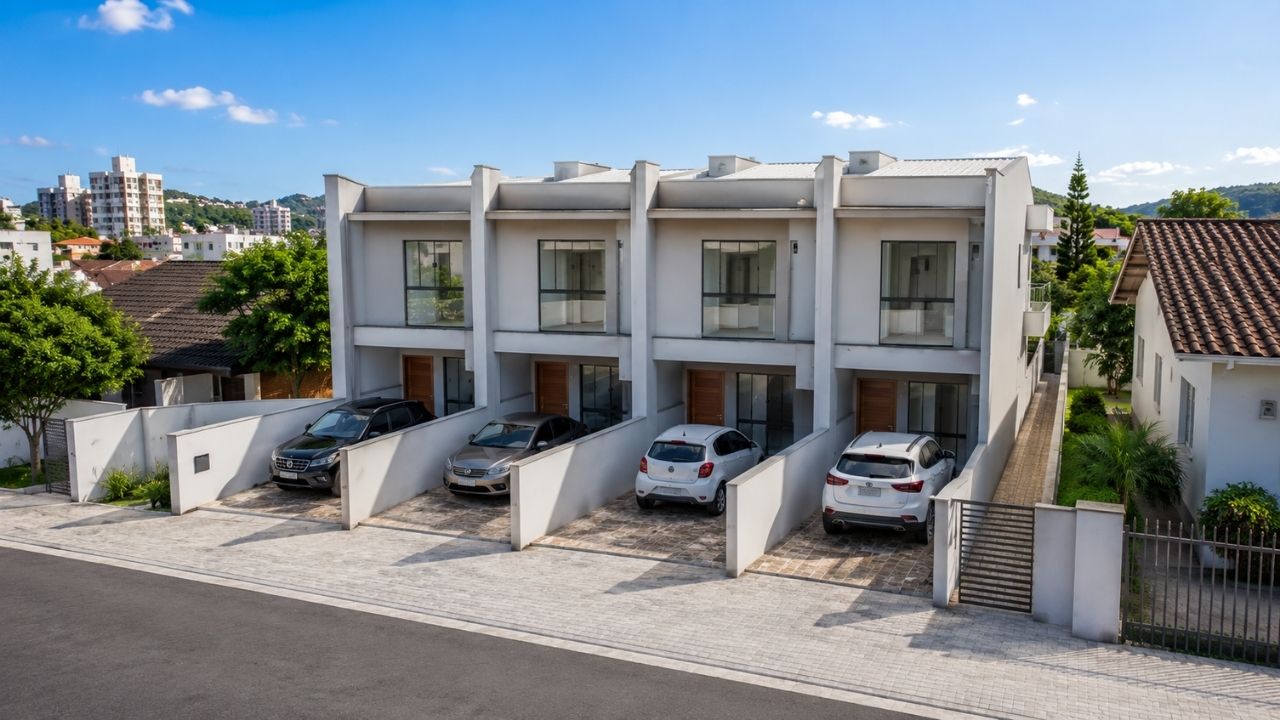
Common land turns into 4 compact townhouses with two parking spaces, suites, skylights, and free space at the back for expansion, a solution that tries to tackle the high price of lots and keep affordable housing in the Minha Casa Minha Vida program outside expensive gated communities in Blumenau.

-
A Japanese carpenter took five months to build a house by hand with screwless joints, knot-free cedar, and a finish that a 40-year veteran American contractor said he had never seen anything like anywhere in the world.

-
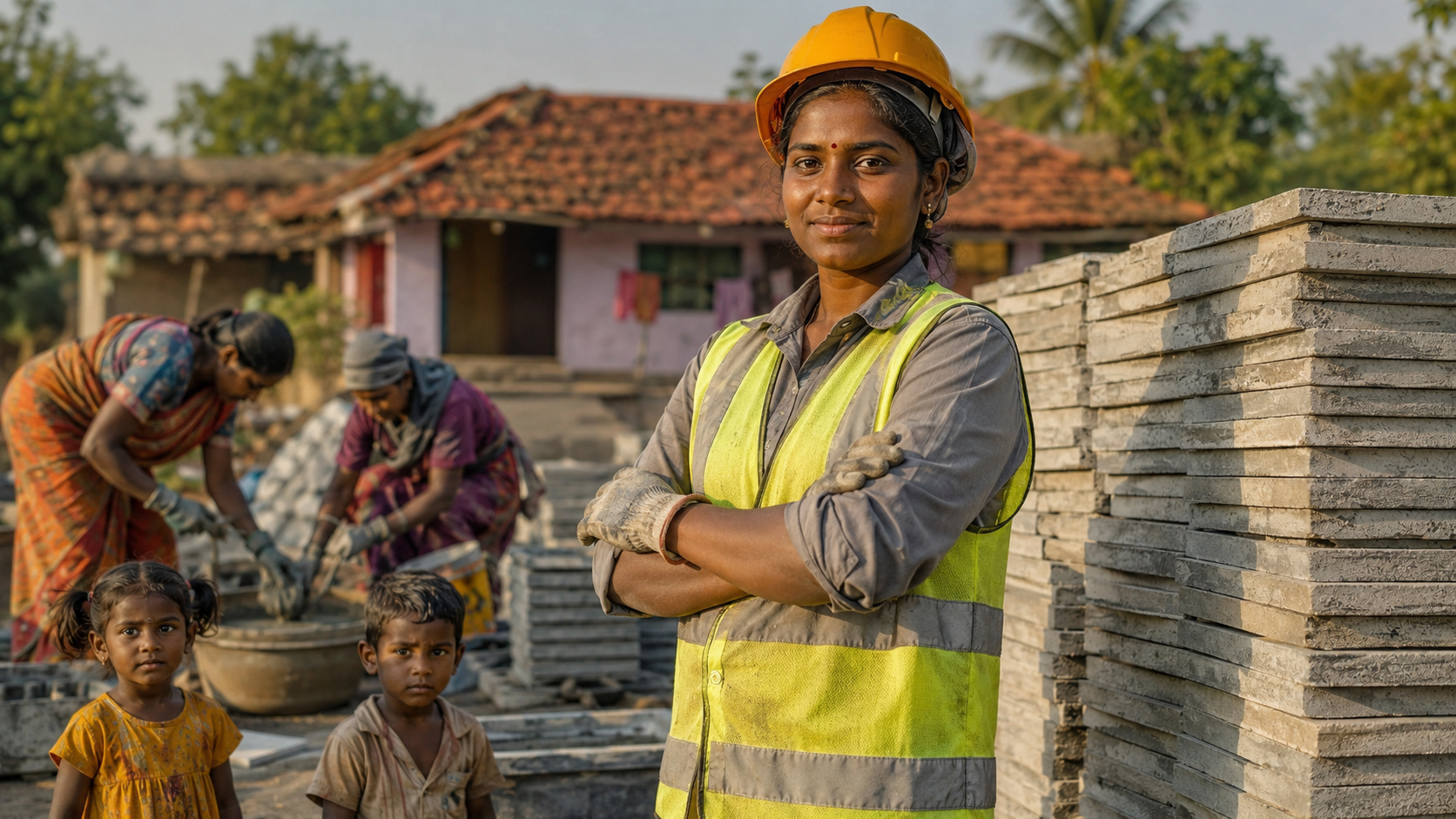
Mother of two who couldn’t leave her village in India takes a 20-day masonry course, starts a company with other women, receives a large production order, and changes her financial situation.

-
Giant project connecting Salvador to Ilha de Itaparica advances in Bahia with authorization for the land phase, linear support platform in Vera Cruz, investment over R$ 10 billion, 12.4 km of extension over the sea, and a structure ten times larger than the Ponte de Guaratuba.


EcoTech Expects 50% Increase in Sand Trade in Espírito Santo Next Year
EcoTech expects to sell 300,000 tons of sand in Espírito Santo in 2022 and 450,000 tons in 2023, which would represent a 50% increase. Currently, annual consumption in Espírito Santo is 2 million tons. Vale, which recently partnered with Sinobras, produces about 55 million tons of sand waste per year as a byproduct of iron ore beneficiation.
It is important to highlight that currently, the pelletizing plants of Samarco in Anchieta and those of Vale in Tubarão are not operating at full capacity due to environmental issues in the extraction of ore in the state of Minas Gerais. Thanks to the solution for sand waste, which prevents its disposal in dams, part of the problem is starting to see a resolution.
Mineradora Vale to Invest R$ 3.9 Billion in Bridge Construction over the Tocantins River for Iron Ore Transportation along the Carajás Railroad
With a total investment forecast of R$ 3.9 billion, the new bridge by Mineradora Vale over the Tocantins River, announced last Tuesday (04/19), will be essential for transporting iron ore production along the Carajás Railroad and is expected to be completed around the year 2027, according to the company’s projections.
The mining company Vale made a surprising announcement of a new billion-dollar project aimed at expanding the transportation capacity of its iron ore production along the Carajás Railroad. Thus, the new bridge over the Tocantins River will be the company’s new bet to facilitate and streamline this transportation in the Marabá region, in addition to being essential for the expansion of the logistics for moving this cargo.
For more information, click here for the full article.




Be the first to react!