






 Portuguese
  Spanish


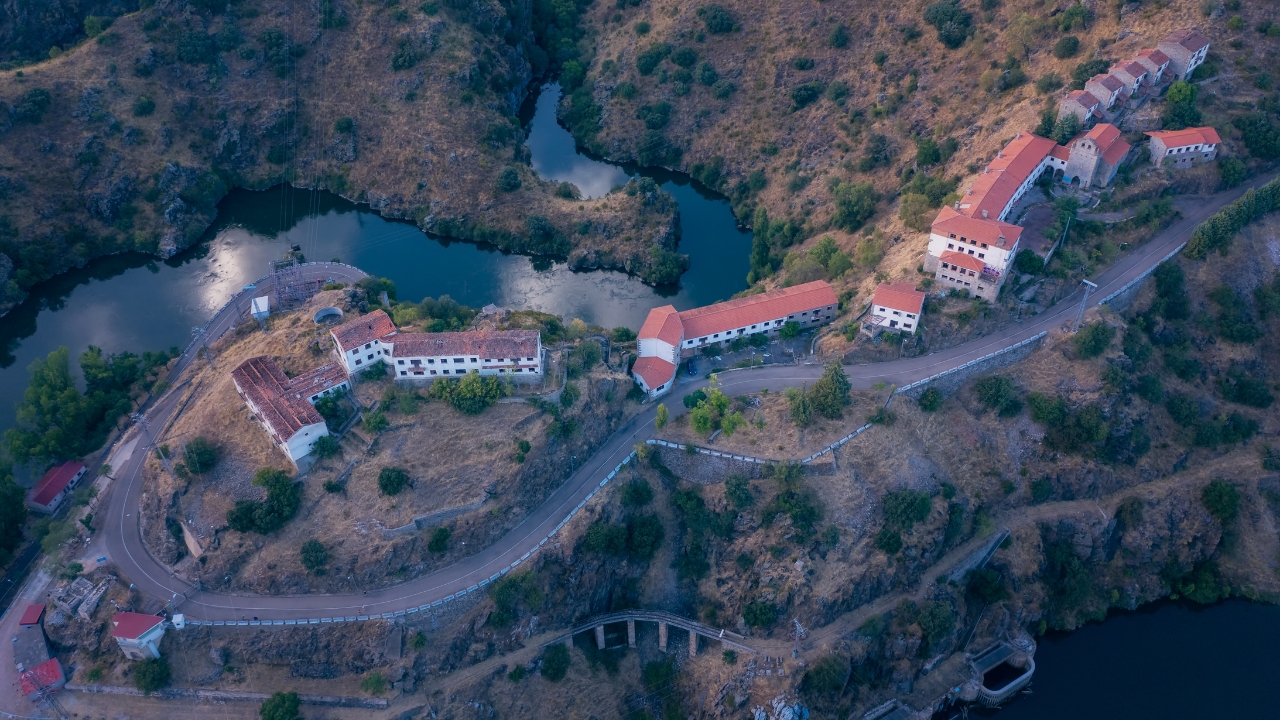


Between Protected Nature and Intact Ruins, Salto de Castro Is in the News Again: The New Owner Promises Complete Rehabilitation, International Tourism, and Respect for Architecture, While the Region Watches to See If the Bet Will Lead to Real Revitalization or Just Another Project That Will Not Take Off
A group of Americans bought an abandoned village in the province of Zamora, Spain, and promises to transform it into an international rural tourism destination. The place, known as Salto de Castro, is located in the Arribes del Duero region, near the border with Portugal, and has returned to the spotlight after years of being forgotten.
The initiative reignites the debate about the so-called “Empty Spain,” a phenomenon affecting hundreds of inland municipalities in the country marked by the continuous loss of inhabitants and lack of investments.
An Entire Village for Sale, Now with New Plans
The new owner is American businessman Jason Lee Beckwith, who acquired the village for an estimated value between 300,000 and 350,000 euros, according to various Spanish media outlets. The package includes 44 houses, an old school, a Civil Guard barracks, a bar, a church, and a guesthouse.
-
Twin Earthquakes of Magnitude 7.2 and 7.5 Strike Venezuela, Leaving Over 1,400 Dead and Affecting Millions, Potential Losses Estimated at $6.7 Billion

-
Latin America’s Largest Residential Complex Located in São Paulo Boasts 1,160 Apartments, 72 Shops, 22 Elevators, and 104 Staff Members

-
Rare 1747 Lutheran Bible from Germany, Preserved in Southern Brazil, Showcases Unique Engravings and Handcrafted Techniques
-
Before Japan Became a Football Powerhouse, Zico Transformed the Amateur League, Boosted the J.League, and Was Honored with a Statue at Kashima Antlers



The proposal is ambitious: to revitalize the area in two phases. First, the central spaces, such as the church and areas designated for hospitality, will be restored. Then, the homes will undergo rehabilitation, respecting the local architectural identity and the ornamental standards of the region.

From Energy Hub to Ghost Town
Salto de Castro was built in the 1950s by the company Iberdrola to house workers responsible for constructing a dam. For years, the place was a vibrant village, with families, businesses, and active community life.
With the end of construction, the residents gradually left the village. By the late 1980s, depopulation was complete. Although it was sold in the early 2000s, previous attempts to transform it into a hotel never materialized.

Sustainable Tourism as a Bet for the Future
The new initiative aims to position Salto de Castro on the map of international tourism, taking advantage of its prime location within the Arribes del Duero Natural Park. The region is known for its stunning landscapes, preserved nature, and tranquility.
The project envisions the creation of a sustainable rural tourism complex, including structured accommodation, common areas, and services aimed at visitors seeking authentic experiences in nature. The expectation is that the total investment for complete recovery will reach several million euros.
More than a real estate venture, the transformation of the village could become a symbol of a larger strategy: using private initiative to combat demographic decline and restore life to forgotten regions of inland Spain.


