Portuguese
  Spanish



Brazilian Companies and Industries Have Invested Over R$ 32 Billion in Photovoltaic Systems for Solar Energy Generation, According to a Survey Conducted by Bonö Fotovoltaico.
Based on official data from ANEEL, the engineering and project company for solar energy generation in the corporate market reported that there are over 226,000 photovoltaic systems installed on rooftops and small plots of land for clean electricity production in factories, businesses, and services throughout the country.
Solar energy systems total more than 6.3 GW of installed capacity for self-generated energy in companies and industries, with projects operational in all regions of Brazil.
Photovoltaic Technology Is Also Present in Approximately Five Thousand Municipalities in the Corporate Sector.
According to the CEO of Grupo Bonö, Marcelo Abuhamad, self-generated solar energy strengthens sustainability and corporate leadership in the so-called ESG agenda. This also enhances the competitiveness of Brazilian productive sectors, with more sustainable and profitable operations.
-
Brazilian scientists are simultaneously advancing two research projects on clean hydrogen and driving solutions that could transform the energy matrix, enhance industrial competitiveness, and accelerate large-scale emission reduction targets.

-
Advancement in renewable energy: A R$ 150 million project launched by Petrobras and Finep aims to create state-of-the-art electrolyzers for green hydrogen, strengthening national research and preparing Brazil to compete in a billion-dollar energy market.
-
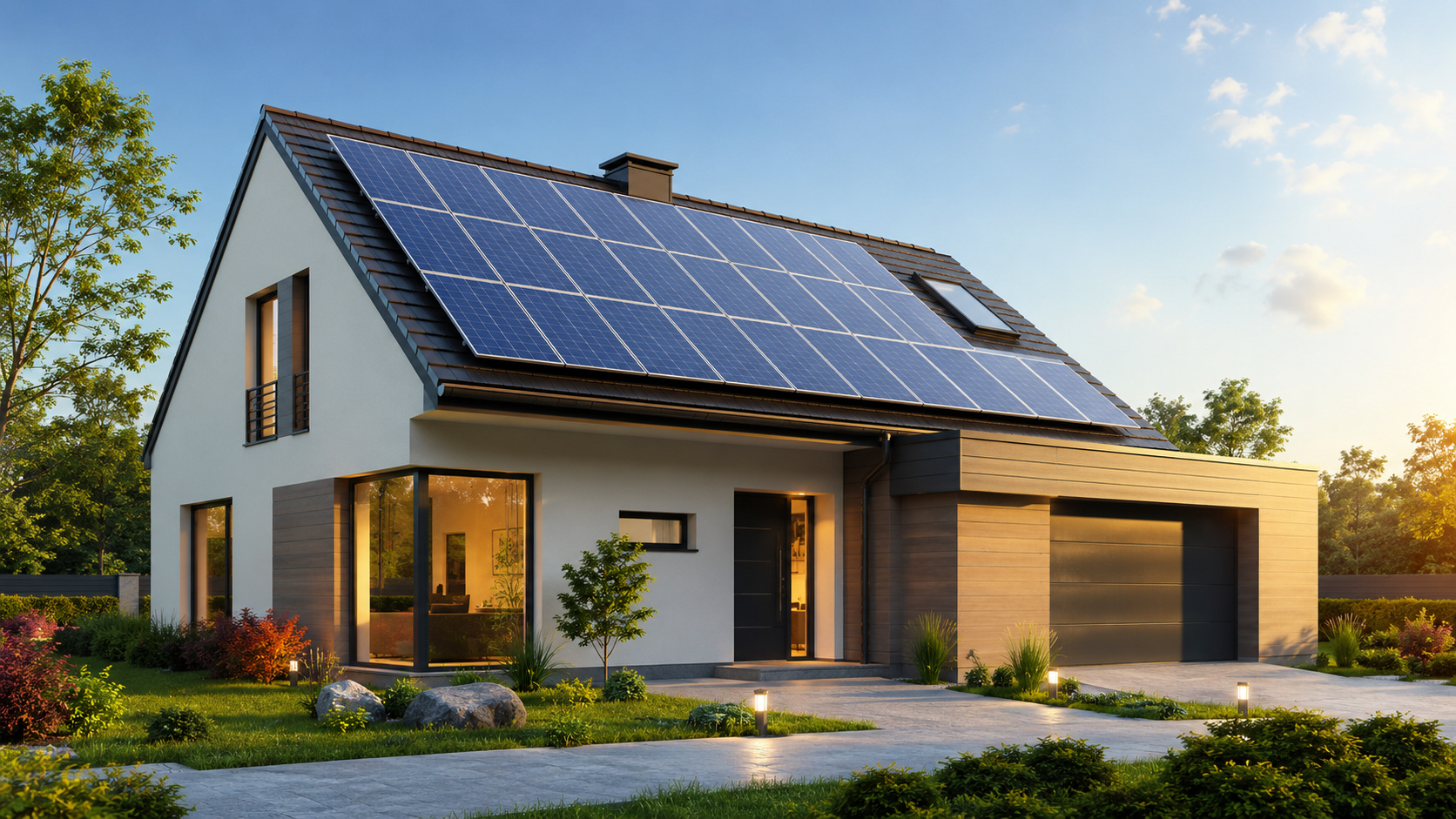
Solar energy can increase property value by up to 10% and become a selling point.
-
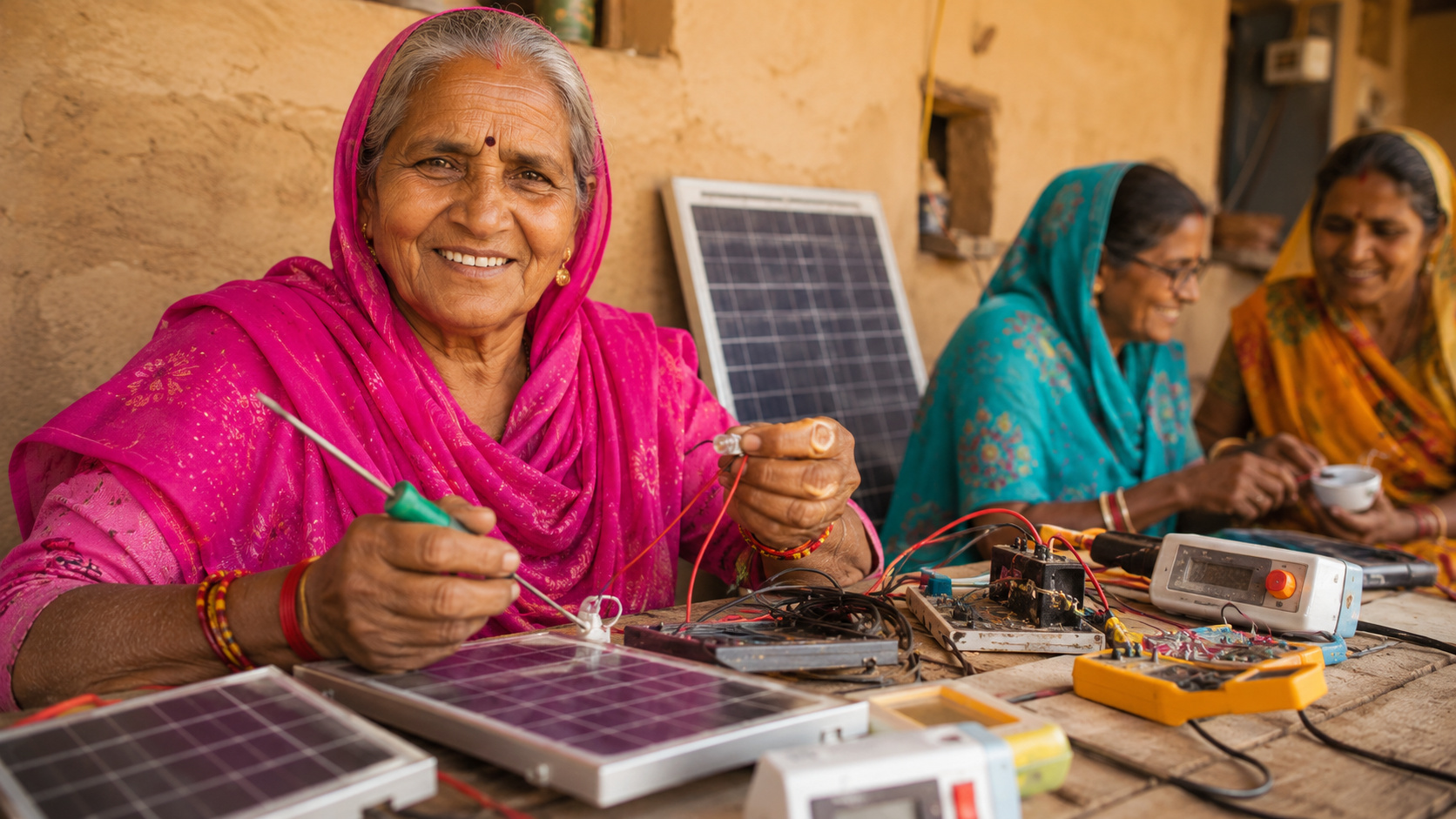
Illiterate or semi-literate grandmothers were trained to repair solar systems, open rural workshops, and light up homes that still depended on kerosene.


Furthermore, Abuhamad emphasizes that even with the new rules for solar energy consumers that took effect in April, the installation of photovoltaic systems remains attractive and advantageous for companies looking to invest in technology. The CEO further adds that the main challenge faced by top management today is the state of the global economy, which leads most business owners worldwide to believe in an economic slowdown in the coming years.
Brazil Is One of the Optimistic Countries Regarding the Future
Abuhamad stated that most business owners he knows are already taking measures to reduce carbon emissions and economic volatility in 2023. This includes the strategy of investing in renewable energies, especially solar, which provides a better payback than most conventional financial investments.
Investing in self-generated solar energy is an important way for companies to reduce their carbon footprint, contributing to environmental protection. Photovoltaic technology can also lead to savings on electricity bills, increasing business competitiveness. Companies and industries are increasingly interested in adopting sustainable practices, not only for their role in environmental protection but also for the competitive advantage they can offer in an increasingly environmentally conscious market.
With the growing need to seek renewable energy sources, the outlook is that solar energy will continue to be attractive for Brazilian companies and industries in the coming years. The country has great potential to harness solar energy, with high solar radiation and a large number of sunny days per year. This is a significant opportunity for companies and industries to increase their sustainability and operational efficiency, as well as contribute to the growth of a cleaner economy.