






 Portuguese
  Spanish
 3 min of reading


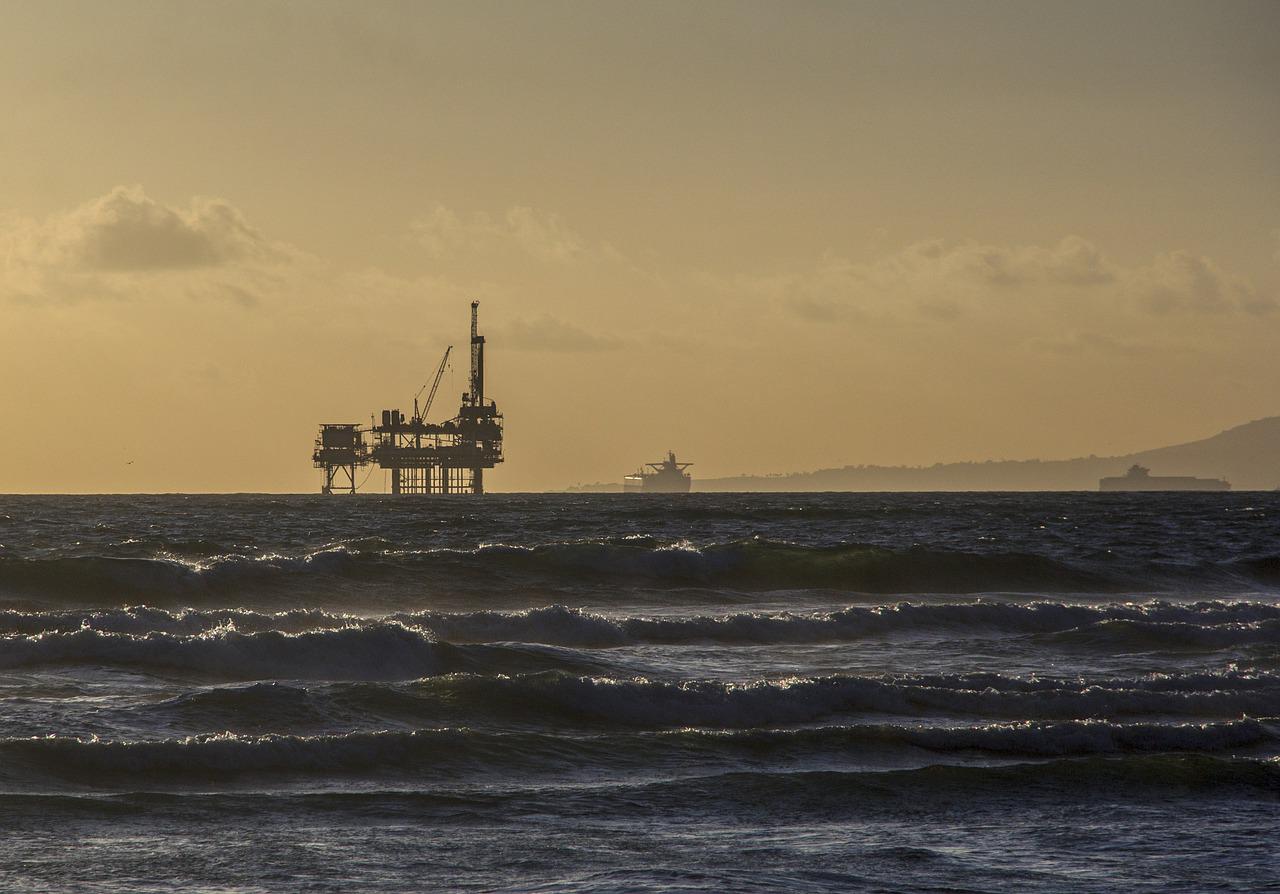
The Shutdown of Enauta at the FPSO in the Atlanta Field Was Planned and the Company Will Use the Suspension Period in Offshore Oil Exploration to Make Safety Adjustments and Meet Labor Ministry Requirements.
During last Friday, (01/07), the oil and gas company Enauta carried out the planned shutdown of offshore oil exploration at its FPSO in the Atlanta Field, located in the Santos Basin. Thus, the company intends to adjust some safety issues during the suspension period, in addition to preparing some processes for the future arrival of the new FPSO platform at the site.
Planned Shutdown of Offshore Oil Exploration at the Atlanta Field Was Initiated by Enauta Last Friday
Following all scheduled deadlines for the oil and natural gas exploration calendar in the Santos Basin region, Enauta announced a planned halt in production at the Atlanta Field. Thus, the company temporarily suspended the FPSO Petrojarl I, responsible for fuel exploration in the region. Now, the company intends to use the suspension time to address exploration issues and is expected to resume oil and gas production at the site around August of this year.
The main objective of Enauta during the shutdown of the FPSO at the Atlanta Field is to use the period to resolve pending issues and safety matters and to adjust the entire exploration chain to meet Labor Ministry requirements.
-
Scotland creates a brick made with over 95% recycled debris, eliminates kiln firing, and attempts to reinvent a piece used in construction for almost a thousand years.

-
In Taipei, 1.5 million recycled plastic bottles were saved from becoming waste, turned into building blocks, and formed a nine-story pavilion for an international exhibition.
-
Slums in India painted roofs white to cope with 46°C heat, cool down stuffy homes, improve sleep, reduce energy consumption, and even ease the burden on refrigerators.
-
While giant ships still burn heavy fuel and the maritime sector races against climate targets, Maersk and Vale are starting to bet on ethanol as a new route to reduce emissions at sea.





Finally, the company also intends to take advantage of the period to prepare the FPSO Petrojarl I for its recertification by DNV (Det Norske Veritas), aiming to extend the Chartering and Operation and Maintenance (O&M) contracts for the vessel for up to two years.
Thus, Enauta opted for a single shutdown to address these issues, as a way to resume offshore oil exploration in the region as soon as possible. The company also highlighted in a statement: “Enauta chose to carry out a single stop for the combined execution of activities, allowing for a reduction in the required time. Once recertification is obtained, the contractual extension of the FPSO will allow for continuous production operation until the entry of the Definitive Production System, expected in mid-2024.”
Adjustments on the FPSO Petrojarl I at the Atlanta Field Will Be Essential to Prepare the Ground for the Arrival of FPSO Atlanta, Enauta’s Future Platform
The use of FPSO Petrojarl I by Enauta at the Atlanta Field is currently following a highly strategic position for the future, as the company intends to include a new platform in the Santos Basin, the FPSO Atlanta.
Thus, with the recertification, the company will be able to continue the operation of the offshore oil field using the platform already in use in the Atlanta Field until the arrival of the new FPSO, which is expected to be initiated in the region around the beginning of 2024.
Currently, the FPSO Atlanta is undergoing conversion operations at Dubai Drydocks World, with activities that include structural upgrades, renovations, and equipment improvements. Thus, at the end of the process, it will have a production capacity of 50,000 BOPD, 12.4 MMscfd of gas, and a storage capacity of 1,800,000 bbl.
This new platform is the future bet for Enauta in offshore oil exploration, as it will have a storage capacity 10 times greater than Petrojarl I, with a production capacity of 30,000 barrels of oil per day and a storage capacity of 180,000 barrels. Thus, using the current FPSO is merely a safety measure in productivity while the company awaits the start of new operations.







Be the first to react!