Portuguese
  Spanish


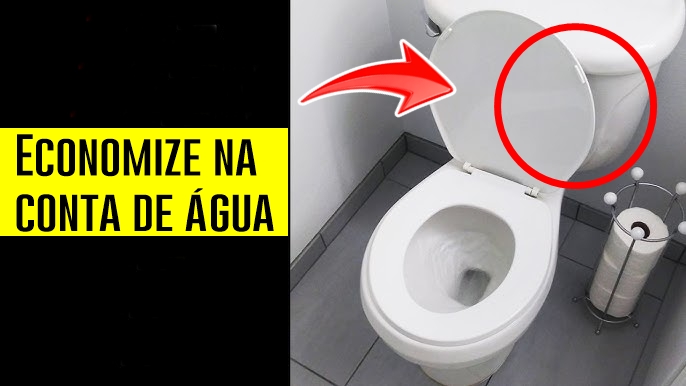

Small Changes In Toilet Use Can Generate Big Water Savings. See The Tips From A Specialist Plumber.
Did you know that a leak in the toilet flush can waste up to 600 liters of water per day? That’s equivalent to approximately 18,000 liters per month and can represent an increase of up to 20% in the water bill of a household.
This waste impacts not only your wallet but also the planet’s water resources. Fortunately, there are simple ways to reduce this consumption without compromising flush efficiency.
Because of this, we’ve put together five essential tips to save money and preserve drinking water. Let’s check out some tips to save water in the toilet.
-
21-Year-Old Brazilian Student Turns Homemade Popsicle Hobby into $100,000-a-Month Business

-
Australia Dumps Hundreds of Thousands of Tons of Gravel into Rivers to Restore Natural Barriers and Reverse 150 Years of Erosion

-
Bird-Inspired Robot Glides on Air Currents up to 10 m/s, Balances Itself, and Aims to Save Energy in Industrial Inspections and Meteorological Balloons
-
Eight Artists Secretly Lived in a Hidden 70m² Apartment Inside a Shopping Mall in Brazil for Four Years



Identify Possible Leaks In The Toilet
Before thinking about solutions to save water, the first step is to check for leaks in your flush.
A simple trick is to add a few drops of food coloring to the toilet tank and wait about 30 minutes.
If the color appears in the bowl water without you flushing, there is a leak. Studies show that approximately 20% of households have silent leaks, often invisible to the naked eye.
Additionally, keep an eye out for constant sounds of water or thin streams of water dripping from the toilet. A simple leak can result in losses of up to 25 liters per hour, totaling over 200,000 liters of water wasted per year.


Put A Weight In The Tank
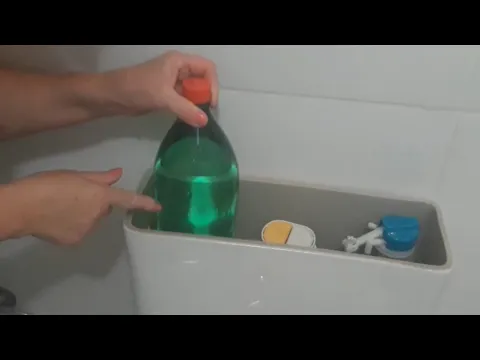
A simple and effective solution is to place a 1.5-liter bottle filled with sand or water inside the tank.
This will reduce the stored water capacity, saving about 1.5 liters per flush without compromising efficiency.
With an average of five flushes per person per day, this measure can save 2,250 liters of water per year per person.
Alternatively, bricks or special eco-bags for this purpose can also be used.
According to the World Health Organization (WHO), simple initiatives like this can reduce total drinking water consumption by up to 10%.
Install A Dual Flush System
Standard toilets consume an average of 9 liters of water per use. Installing a dual flush system allows choosing between two options: 3 or 6 liters, depending on the need.
Studies indicate that this technology can reduce water consumption by up to 50%, which amounts to approximately 12,000 liters of annual savings for a family of four.
These systems are available on the market for prices ranging from R$ 80.00 to R$ 300.00, depending on the brand and model. The return on investment is often quick, sometimes in less than a year.
Adjust The Float Position
The toilet float controls the water level in the tank. Adjusting it to a lower position reduces the amount of water used per flush.
A simple adjustment can lead to a significant reduction in monthly water consumption, directly reflected in your bill.
Technical studies indicate that lowering the float by just 1 centimeter can save up to 1 liter per flush. For a family of four, this savings can reach 7,300 liters per year.
Conclusion
Saving water in toilets is a simple action, but one that can generate positive impacts on both the environment and your wallet.
From identifying leaks to installing economical devices, each measure taken contributes to reducing waste and ensuring more conscious consumption.
In the future, it is expected that new technologies will bring even more sustainable solutions for rational water use. Try these tips and see the difference on your next bill!