Portuguese
  Spanish


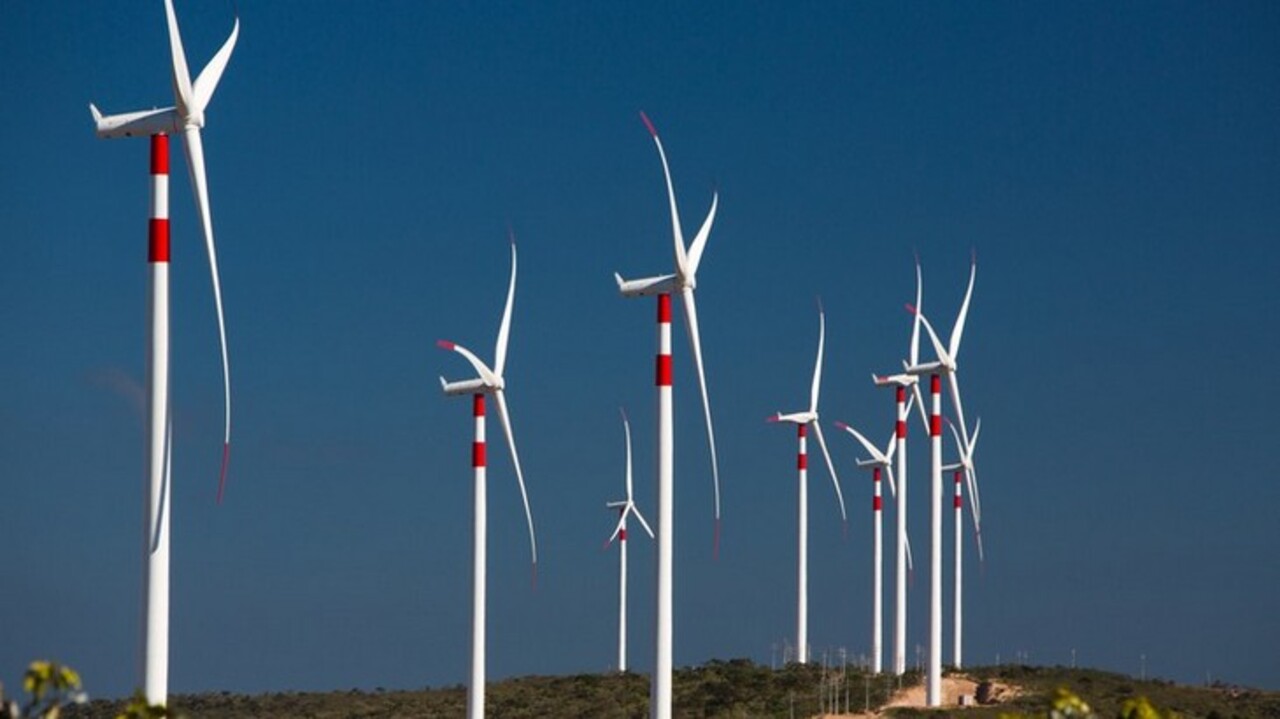

New Wind Energy Projects by Enel Green Power Are Set to Boost the Brazilian Renewable Energy Market
Wind energy is already the second largest source of the energy matrix in the country, and Enel Green Power wants to invest more than R$ 5.6 billion in Brazilian soil. According to the Brazilian Wind Energy Association (ABEEólica), the installed capacity in Brazil reached 16GW in just the first half of 2020. There are approximately 637 wind farms and 7,738 wind turbines. In Brazil alone, the wind industry has invested over R$ 13 billion.
See Also
Enel aims to invest more than R$ 5 billion in wind energy projects. Responsibility will fall to Enel Green Power, which is in charge of renewable energies. The investments will total four wind parks and one solar, all located in the Northeast region.
Enel Investments Will Be Directed to Wind Energy Parks in the Northeast
The Enel projects for wind energy are located in Piauí (Lagoa dos Ventos III), Bahia (Morro do Chapéu II), Rio Grande do Norte (Cumaru), and Pernambuco (Fontes dos Ventos II).
-
Fired during apartheid and with a little borrowed money, an electrician started with a borrowed truck and transformed electrical services into a group connected to energy, real estate, and infrastructure in South Africa.

-
Wood has ceased to be just a construction material in Yale research and has become insulation for electrical transformers that face intense heat, aging, and increasing pressure from the renewable energy-powered grid.
-
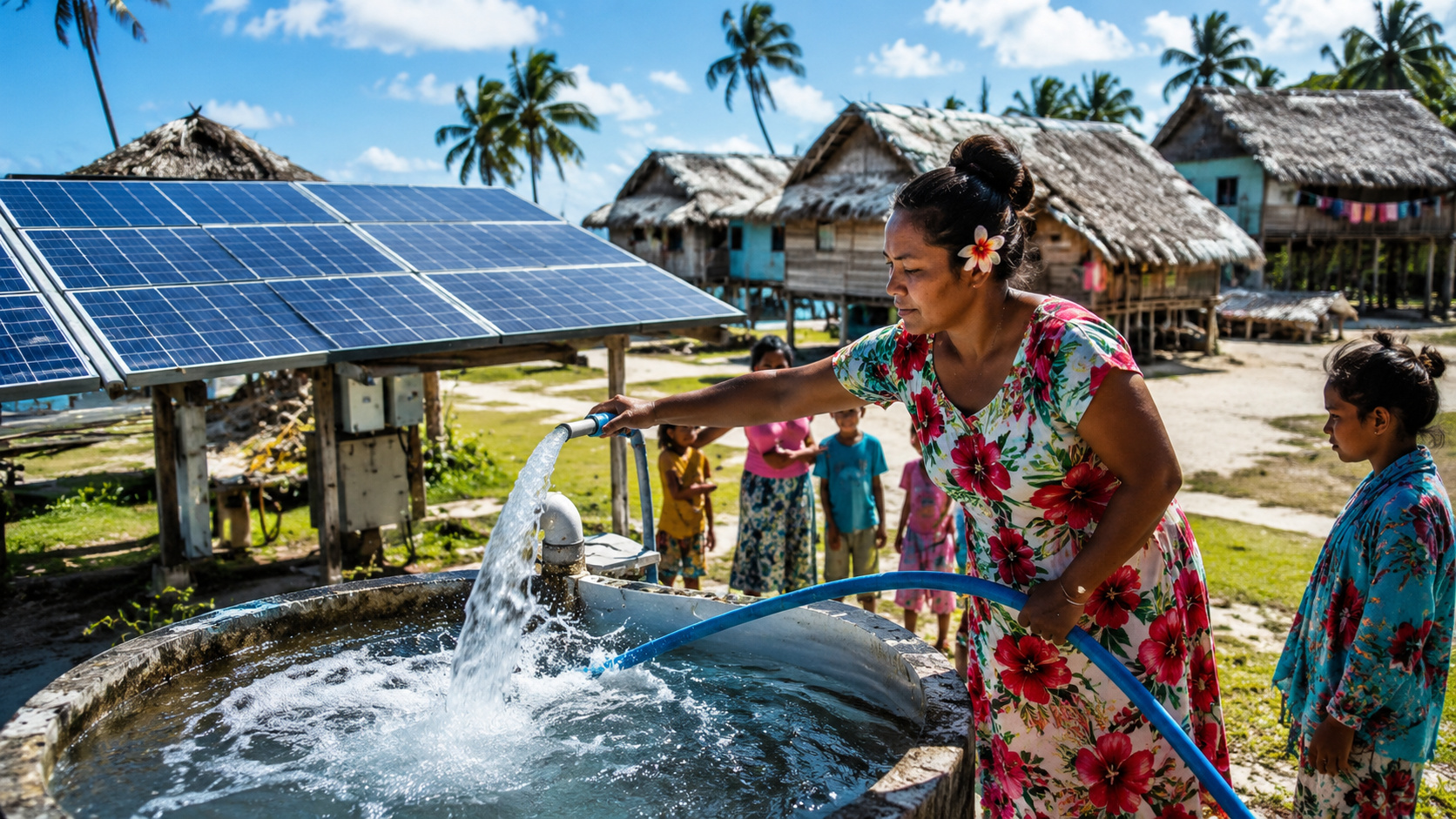
More than 1,000 residents of a remote island in Kiribati now have clean water and electricity with solar systems operated by the community itself.
-
Ceará brings together 7 giants and R$ 66 billion to transform Pecém into the largest green hydrogen hub in Brazil, with final decisions expected by the end of 2026.


The solar park of Enel will also be in Piauí, known as São Gonçalo, and it will have a capacity of over 250 MW. More than 10 billion euros will be allocated for investments in Latin America over the next three years.
Wind Energy: How It Is Produced and What Are Its Advantages?
Wind energy is produced from moving air masses, that is, the wind. It is harnessed through the conversion of translational kinetic energy into rotational kinetic energy.
The socioeconomic and environmental benefits of wind energy come from the fact that it is renewable and causes low impact at the sites of its installation and operation. Since wind farms do not emit CO2, in 2019 alone, emissions of 22.85 million tons of carbon dioxide were avoided. According to ABEEólica, this amount is equivalent to the annual emissions of about 21.7 million cars.