






 Portuguese
  Spanish


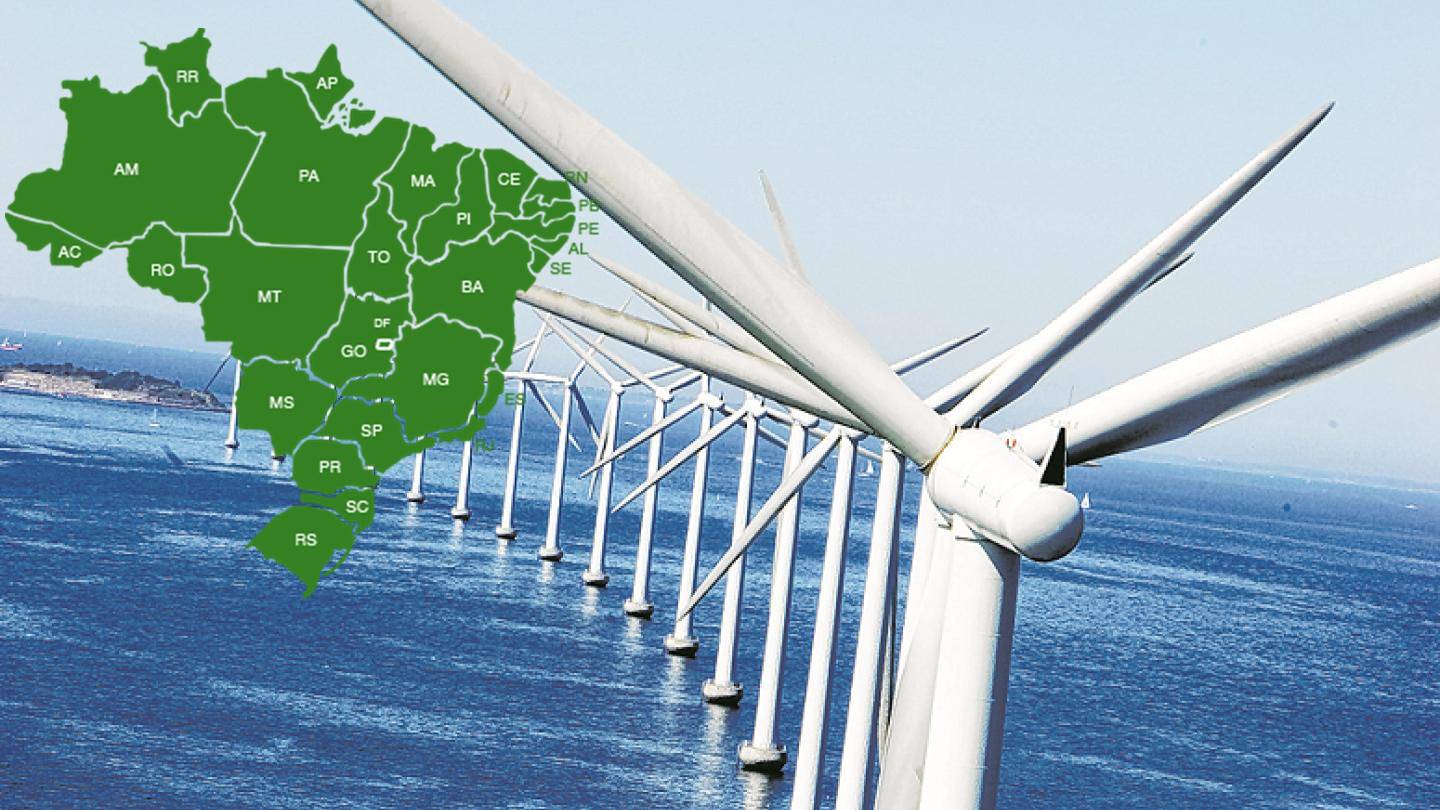

Brazilian Offshore Wind Energy Has About 7,491 Kilometers of Coastline, Brazil Has Immense Potential for Some of the Most Modern Renewable Energy Technologies: Offshore Wind Energy, Which Uses Fixed or Floating Wind Turbines Installed at Sea.
The offshore wind energy in Brazil is among the highlights of a recent study on the subject, produced by the Administrative Assistance Program for the Energy Sector and the International Finance Corporation, a branch of the World Bank Group for the development of the global private sector.
Read Also
- Analyst, Developer, Engineers and More Are Requested for Job Openings at Localiza on This Day 08
- Signing of the Contract for the Mega Port of ES Will Be on January 17
- Halliburton with Internship and Permanent Positions for Rio de Janeiro and Bahia on This Day 16
- Ethanol Giant Investing in MT Is Hiring in Brazil and Paraguay
Recently, Equinor requested permission from Brazil’s federal environmental agency, IBAMA, to conduct an environmental impact assessment that “will examine the possibility of developing an offshore wind farm project” in the country’s waters. In the video below, you can learn more about this topic from one of the representatives of Consutec RN:


Major Offshore Wind Developers Present Plans for Several Gigawatts of New Offshore Wind Projects in Brazil
The developer does not have detailed plans, but local media reports that the developer is developing a wind farm in an area of 4.66 GW divided into two fields of 2.33 GW called Aracatu 1 and Aracatu 2. The wind energy projects are located in the neighboring states of Rio de Janeiro and Espírito Santo, not in the southeast of the country.
-
Robots Clean Solar Panels in Desert Power Plants Without Water, Preventing Energy Losses

-
Brazil’s Offshore Wind Energy Potential Worth $1 Trillion Stalled by Long-Delayed Agreement

-
World’s Largest Engie Solar Plant in Brazil Highlights Billion-Dollar Energy Waste Issue: Company Considers Batteries and Bitcoin Mining to Avoid Wasting Production

-
Air Products Cancels $2.9 Billion Clean Hydrogen Megaproject in Louisiana, Shuts Down Arizona Unit, Highlighting High Costs of U.S. Energy Transition


There will also be four parks in each state, divided equally: 750 MW, from 50 wind turbines, four platforms with substations, transmission lines, and one onshore substation. They consider wind turbines with a nominal power of 15 MW each, 245 meters in diameter, 155 meters above sea level.
Offshore Wind Energy on the Rise in Brazil
Onshore wind energy or offshore wind energy has become the main choice for energy generation in the United States, and all indications are that Brazil will also embrace this market in the future. Currently, the sector has the capacity to supply 32 million households.


