Portuguese
  Spanish




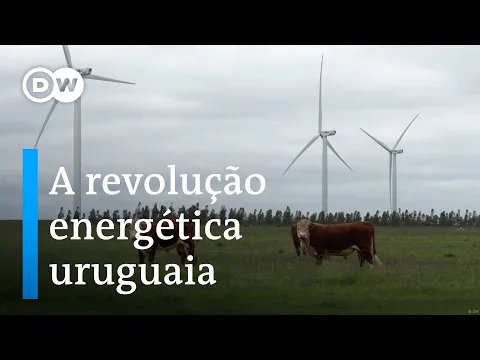
Discover How Uruguay Achieved Nearly 100% of Clean Energy in Uruguay, Reducing Emissions and Consolidating a Sustainable and Resilient Power Grid.
The Uruguay Has Become a Global Reference in Clean Energy, Achieving Results That Stand Out for the Balance Between Sustainability and Economic Development.
In 2024, the country Supplied 99% of Its Electric Demand with Renewable Sources; Consequently, this Progress Represents Decades of Strategic Planning, Public and Private Investments, Along with Policies Aimed at Energy Transition.
In addition, Uruguay’s Path Towards Clean Energy in Uruguay Began Over 20 Years Ago, When the Country Faced Common Challenges in Many Latin American Nations.
-
Brazilian scientists are simultaneously advancing two research projects on clean hydrogen and driving solutions that could transform the energy matrix, enhance industrial competitiveness, and accelerate large-scale emission reduction targets.

-
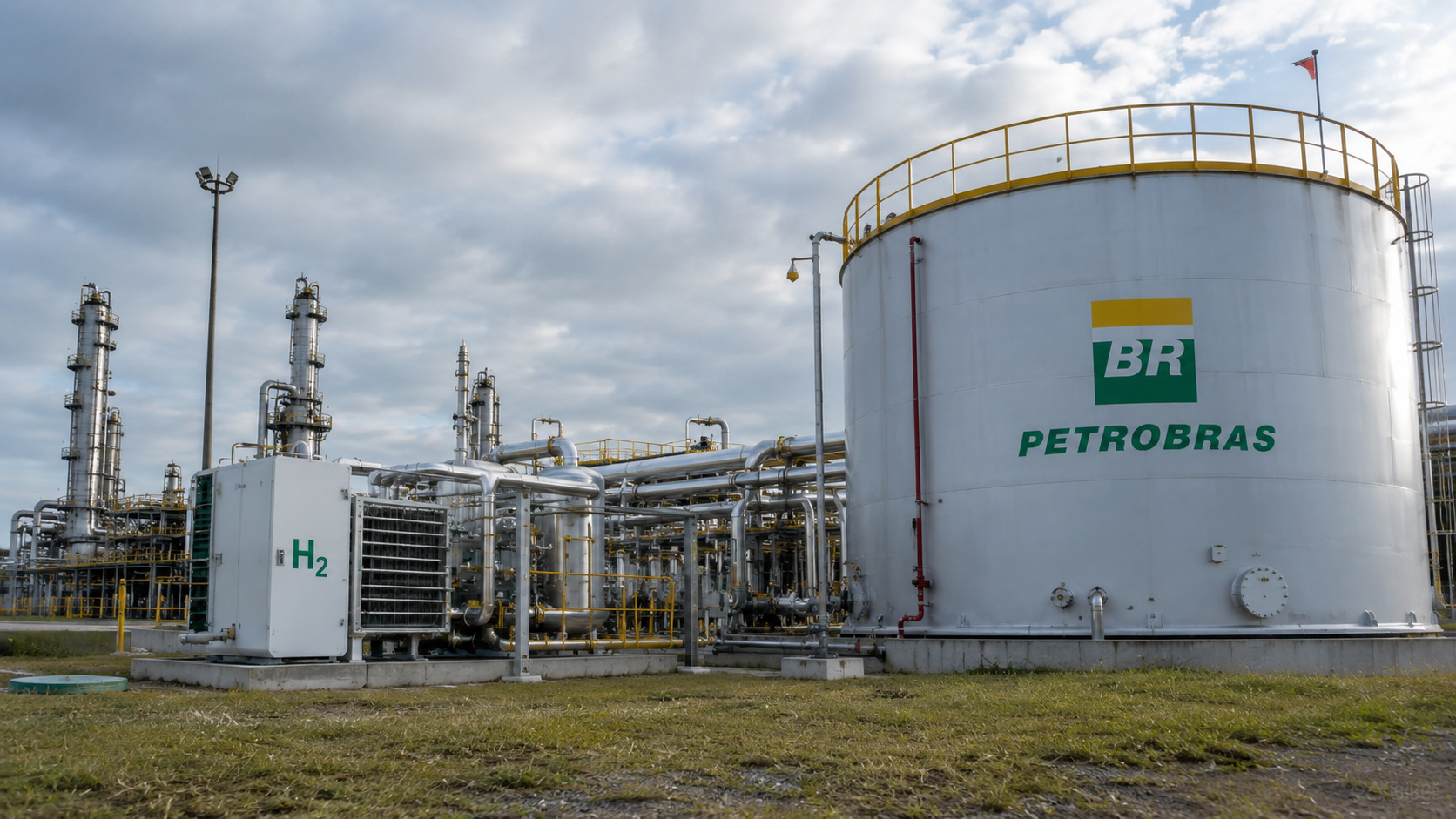
Advancement in renewable energy: A R$ 150 million project launched by Petrobras and Finep aims to create state-of-the-art electrolyzers for green hydrogen, strengthening national research and preparing Brazil to compete in a billion-dollar energy market.
-
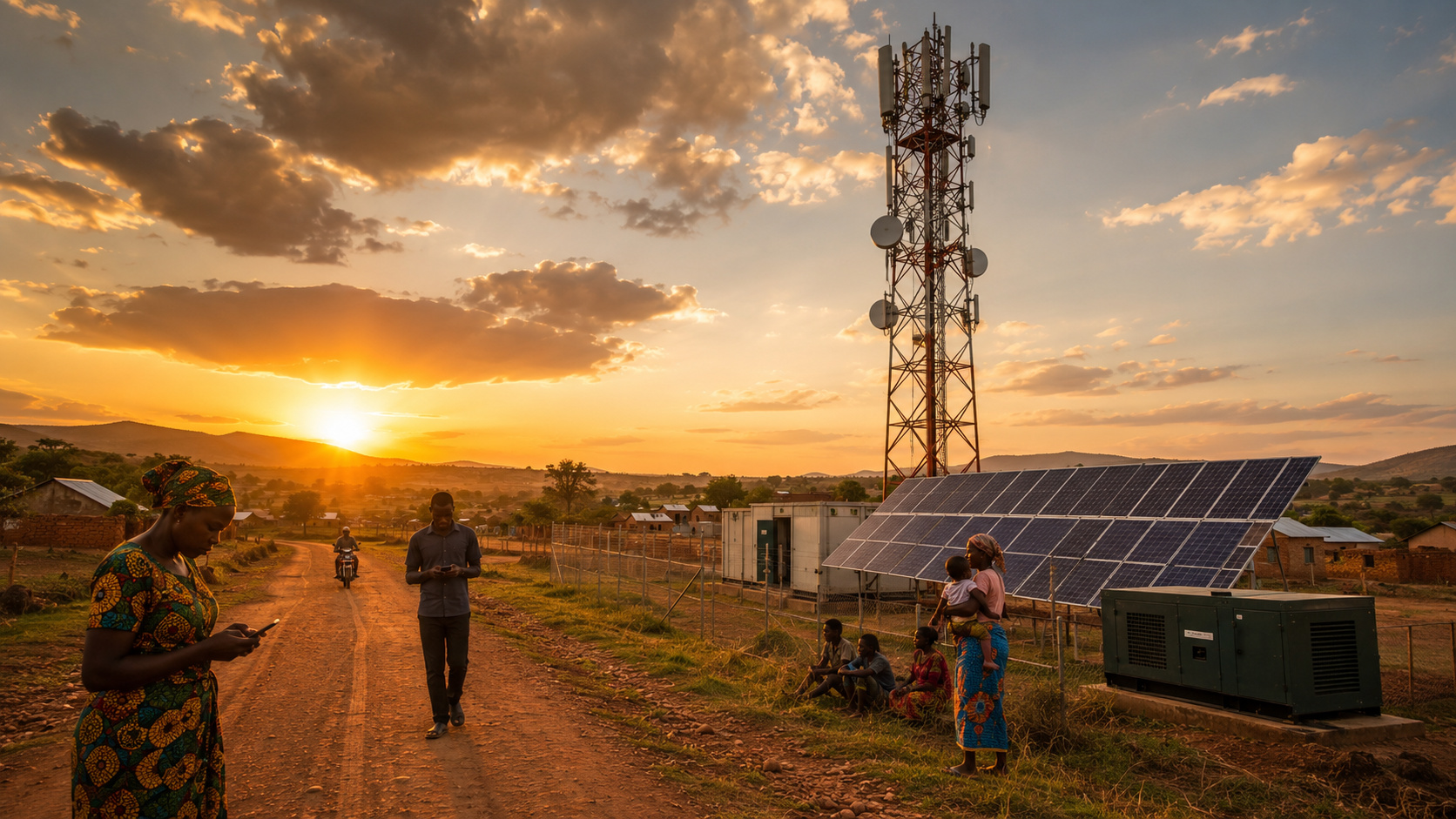
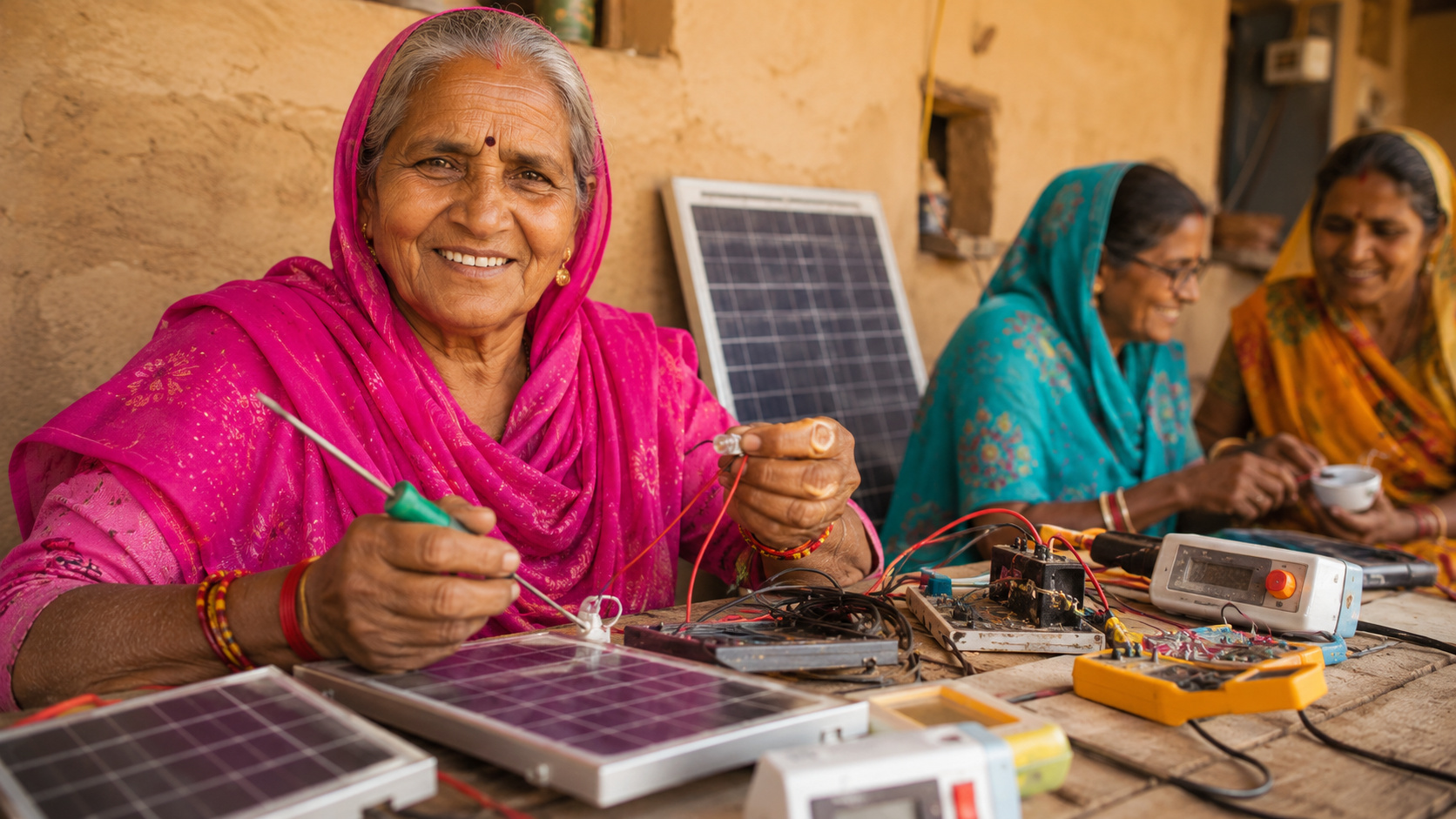
Illiterate or semi-literate grandmothers were trained to repair solar systems, open rural workshops, and light up homes that still depended on kerosene.
-
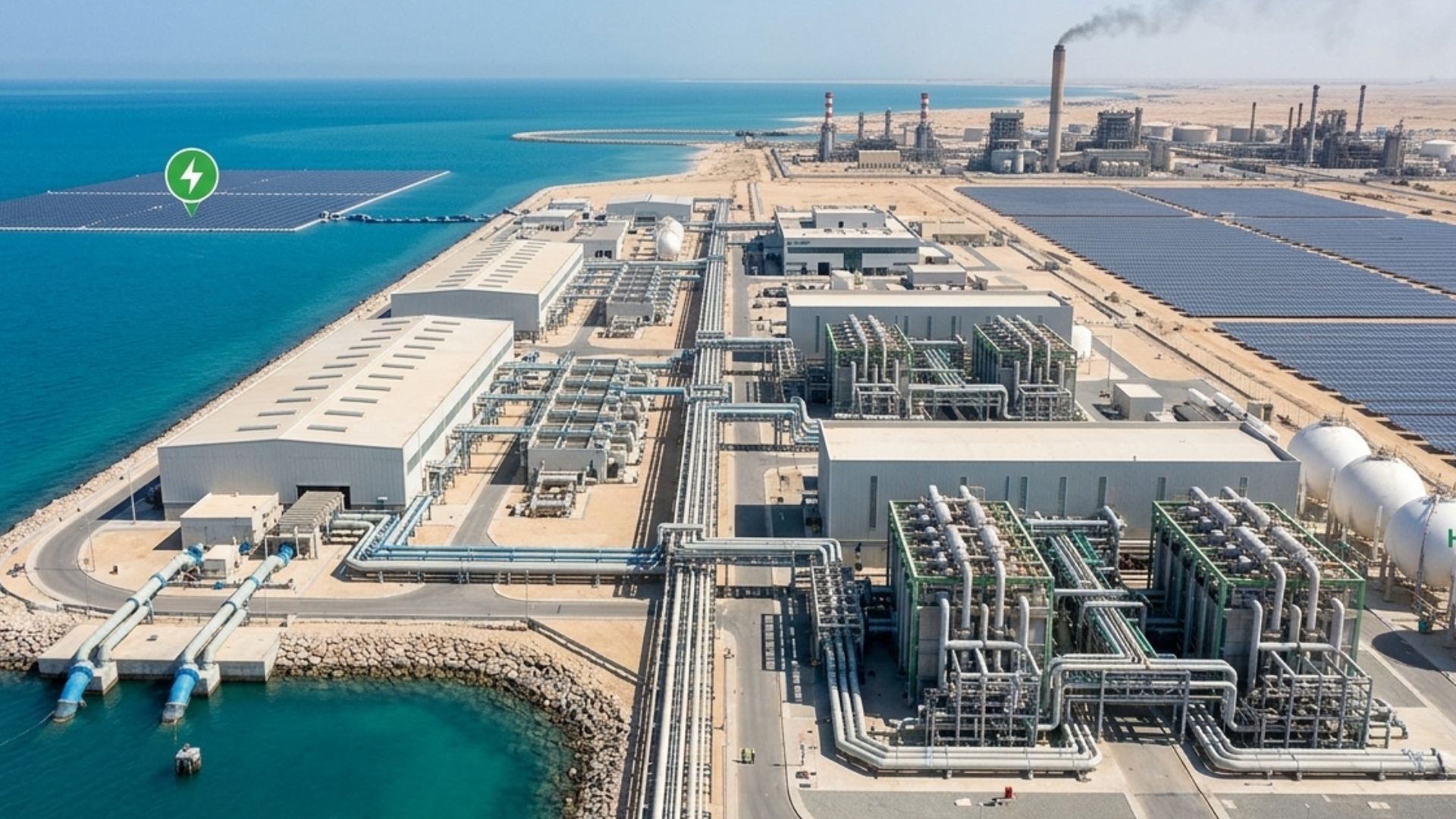
The world has bet on green hydrogen as the fuel of the future, but now faces the side effect: producing 1 kilogram requires about 9 liters of ultrapure water, and the largest projects on the planet are precisely in the driest regions of the Earth, where water is already scarce for people.


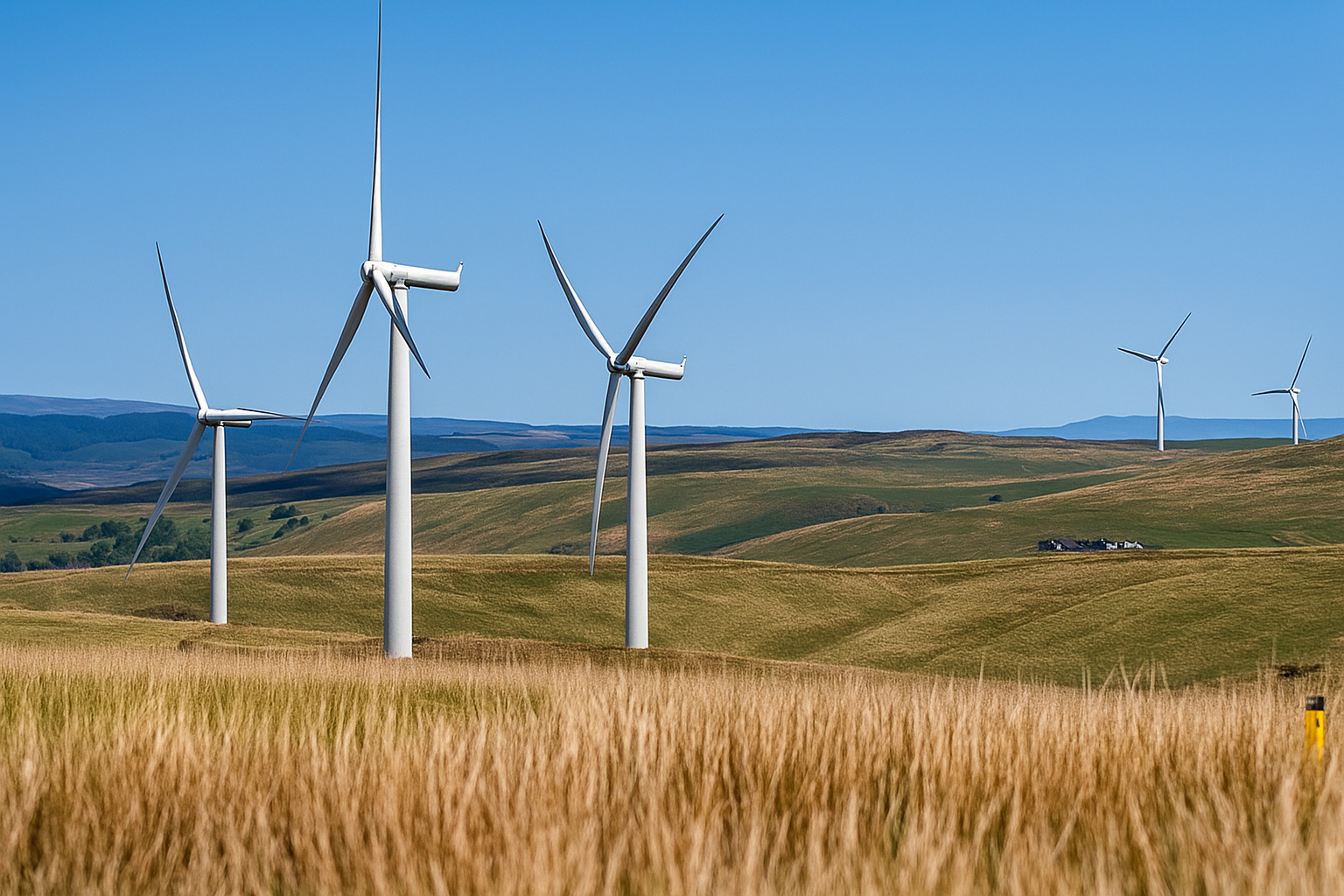
In fact, Dependent on Imported Fossil Fuels and Vulnerable to International Market Fluctuations, Uruguay Launched Incentive Programs for Renewable Sources Such as Wind, Solar, and Biomass.
Therefore, These Concentrated Efforts in Long-Term Planning Began to Yield Tangible Results in the 2010s, With the Expansion of Wind Farms and the Emergence of Pioneering Solar Projects.
Furthermore, the 2010s Marked a Significant Transformation in the Energy Matrix, When the Country Invested More Consistently in Offshore Wind Technology and Solar Panels Distributed in Rural Areas.
Thus, Private Companies and Local Universities Collaborated on Projects That Increased Generation Capacity and Stimulated the Training of Qualified Professionals in the Renewable Energy Sector.
As a Result, This Movement Created a Culture of Innovation and Sustainability Across the Country.
Results of the National Energy Balance 2024
The National Energy Balance (BEN) of 2024, Released by the Ministry of Industry, Energy and Mining (MIEM), Presents Impressive Numbers.
Indeed, Carbon Dioxide (CO₂) Emissions Fell by 90% Compared to 2023, Reaching the Lowest Level in Two Decades.
Additionally, the Emission Factor of the Power Grid Recorded Only 6 Tons per Gigawatt-Hour, Consolidating One of the Cleanest Power Grids in the World.
Therefore, These Results Show That the Adoption of Clean Energy in Uruguay Involves Not Only the Environment but Also the Energy Security of the Country.
Despite These Advances, the BEN 2024 Report Identified A 14% Increase in Final Energy Consumption.
Thus, This Data Requires Analysis of the Origin of This Growth, as It May Impact Energy Efficiency and Decarbonization Goals.
Experts, for Instance, Point Out That the Industrial Sector Contributed Most to This Increase, Indicating That Sustainable Industrialization Still Represents a Challenge and, at the Same Time, an Opportunity for Uruguay.
Moreover, the Increase in Consumption Also Reflects the Expansion of Electricity Access in Rural and Urban Areas.
Consequently, Energy Efficiency Programs and Incentives for the Adoption of Clean Technologies Enabled More Households and Small Industries to Connect to the Sustainable Power Grid.
Thus, This Demonstrates That Clean Energy in Uruguay Does Not Only Serve Large Industries but Benefits the Entire Population.
Uruguay’s Leadership in Renewable Energy Also Explains the Energy Independence That the Country Has Achieved Over the Years.
Therefore, by Prioritizing Indigenous Sources Like Wind and Sun, the Country Reduced Its Dependence on Imported Fossil Fuels, Strengthening Its Energy Sovereignty and Protecting Itself from International Price Fluctuations.
This Aspect, Shows the Importance of Clean Energy in Uruguay, Ensuring Environmental Benefits and Economic and Political Stability.
Strategies and Public Policies
The Transition to a Predominantly Renewable Energy System Did Not Happen Overnight.
Therefore, Over the Last Two Decades, the Uruguayan Government Encouraged Private Participation in Clean Energy Projects.
Thus, the State-Owned Power Company, UTE, Promoted Energy Auctions That Stimulated Investments Without Relying on Direct Subsidies.
Consequently, This Model Made the Country an International Reference, Praised by the International Renewable Energy Agency (IRENA) as a Global Example to Follow.
Moreover, the Impact of Clean Energy in Uruguay Goes Beyond the Electric Sector.
For Example, the Decarbonization of the Country Creates Opportunities for Electric Mobility, Especially in Reducing Emissions in Urban Transport and Encouraging Fleets of Electric Vehicles in Strategic Sectors.
Additionally, the Reinforcement of Solar Generation Lines Consolidates the Clean Power Matrix, Allowing Energy Production to Be Geographically Distributed and Not Depend on Large Centralized Plants.
Another Relevant Point is the Creation of Educational and Professional Training Programs Focused on Renewable Energies.
Thus, Universities and Technical Institutes Train Specialized Engineers and Technicians, Ensuring Continuous Maintenance and Expansion of Clean Infrastructure.
Therefore, This Approach Strengthens the Domestic Market and Ensures Qualified Labor to Sustain the Sustainable Power Matrix in the Long Term.
The Minister of MIEM, Fernanda Cardona, Highlighted That the Country Must Move Towards a Second Energy Transition.
Thus, This Includes Maintaining Leadership in Clean Energy, Investing in Decarbonizing the Industrial Sector, Expanding Electric Mobility, and Further Strengthening Solar Generation.
Thus, the Strategic Vision is Clear: Effective Public Policies Depend on Accurate Diagnostics and Forward Planning.
Therefore, Reinforcing Solar Generation Today Ensures That Uruguay Maintains Its Sustainable and Resilient Power Matrix in the Future.
Historical and Regional Impact
Historically, Uruguay Has Shown That It Is Possible to Combine Economic Growth with Sustainability.
On the Other Hand, Compared to Other Countries in the Region, Which Still Rely Heavily on Coal, Oil, or Natural Gas, Uruguay Stands Out for Adopting a Progressive and Conscious Approach.
Therefore, the Integration of Renewable Energies into the Electric Matrix Promotes Not Only Emission Reductions but Also Technological Modernization, Creation of Green Jobs, and Strengthening the Local Clean Energy Equipment Industry.
In addition, the Uruguayan Case Also Serves as a Lesson for the Global Energy Transition.
Indeed, It Demonstrates That Betting on Renewable Sources Is Not an Isolated Issue but Part of an Integrated Economic, Social, and Environmental Planning.
The Auction Model and Encouragement of Private Participation, Combined with Long-Term Policies, Show That It Is Possible to Achieve High Levels of Clean Energy in Uruguay Without Compromising Supply Security or Economic Competitiveness.
Moreover, Uruguay Strengthened Regional Cooperation in Clean Energy, Sharing Technologies and Experiences with Neighboring Countries.
Consequently, Joint Action Optimizes Resources, Reduces Implementation Costs, and Creates Regional Standards for Energy Efficiency, Making the Uruguayan Model Even More Relevant for the Continent.
Sustainability and Future
Therefore, the Reduction of CO₂ Emissions and Energy Independence Help Mitigate Climate Change, a Topic of Extreme Relevance in the International Context.
Additionally, By Achieving Nearly 100% of Clean Energy in Its Electric Matrix, Uruguay Becomes a Reference in Effective Public Policies, Technological Innovation, and Environmental Awareness.
Thus, This Trajectory Inspires Other Countries to Rethink Their Energy Generation Strategies and Adopt Solutions That Unite Efficiency, Sustainability, and Economic Stability.
Therefore, Uruguay Not Only Reached a Historic Milestone in 2024 but Also Established Solid Foundations for Future Generations.
Consequently, the Leadership in Clean Energy in Uruguay Reflects a Continuous Commitment to the Environment, Society, and Sustainable Development.
<pThus, the Uruguayan Experience Shows That a Country Can Significantly Reduce Its Emissions, Increase Its Energy Efficiency, and Ensure Secure Access to Electricity Without Relying on Fossil Resources, Becoming a Global Example of Successful Energy Transition.
In Summary, Uruguay’s Success in Achieving an Electric Matrix with 99% Renewable Sources Reinforces the Importance of Clean Energy in Uruguay as a Vector of Innovation, Sustainability, and Economic Resilience.
Thus, the Historical Trajectory, Strategic Planning, and Coordinated Participation of Public and Private Sectors Consolidate the Country as an International Reference Model.
Therefore, This Experience Proves That It Is Possible to Reconcile Economic Growth with Respect for the Environment, Showing That Clean Energy in Uruguay Is, Today, a Concrete Reality and a Legacy for the Future.