Portuguese
  Spanish


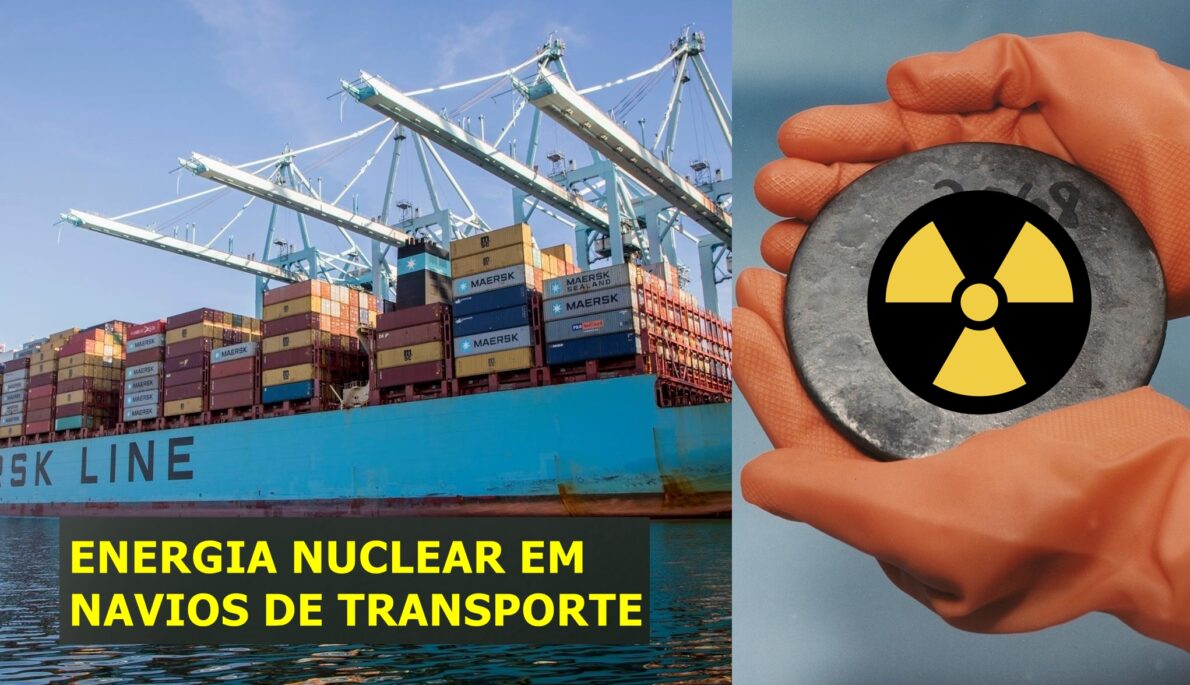

The maritime transportation industry, one of the pillars of global trade, is about to undergo an energy revolution. The giant Maersk, in partnership with Lloyd’s Register and Core Power, is studying the feasibility of using fourth-generation nuclear reactors to power container ships with nuclear energy.
This technological innovation, which promises to operate ships for up to seven years without refueling, could transform the way the world transports goods and addresses future environmental challenges.
Nuclear Energy: Challenges of Carbon Emissions in the Maritime Transportation Sector
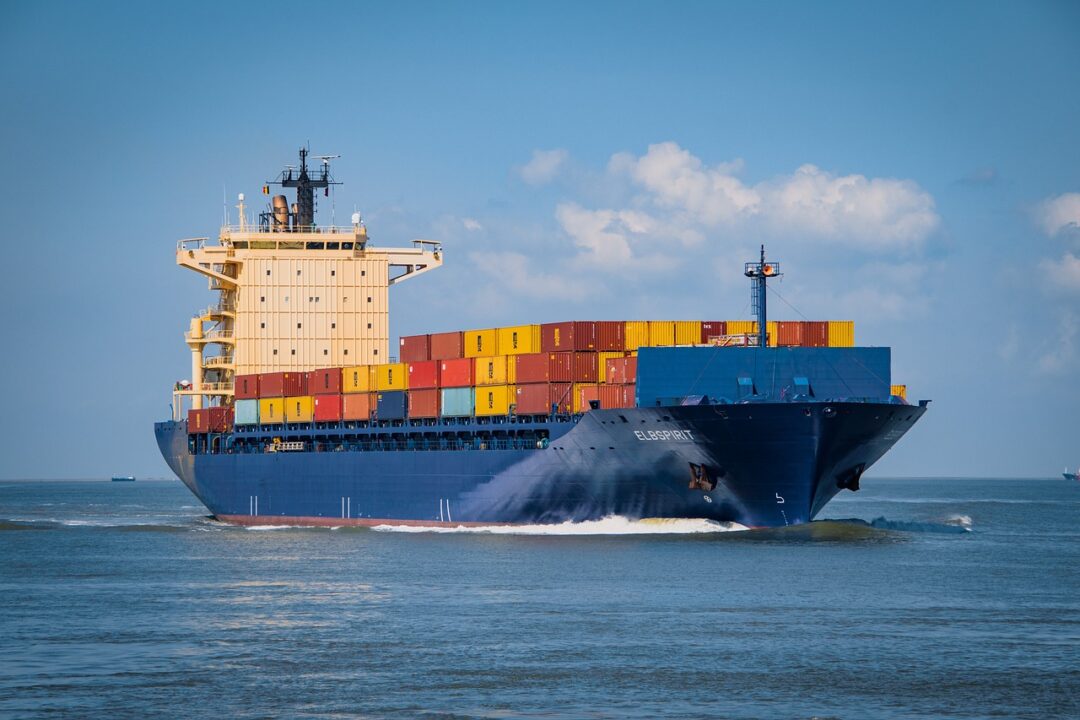
Maritime transportation is responsible for about 90% of global trade, but it also significantly contributes to carbon dioxide emissions, with approximately 3% of global emissions coming from this sector.
-
Brazil’s Angra 3 Nuclear Plant Reaches 66% Completion; Government Faces 2026 Deadline to Decide on $24 Billion Project’s Future

-
American company drills a 1,830-meter hole in Kansas using oil well technology, places a nuclear reactor inside, and claims it will generate electricity without any cooling tower.
-
Canada invests more than 2 billion dollars to upgrade an old nuclear laboratory and try to rival the world’s major atomic energy powers.
-
Nuclear company backed by Bill Gates partners with Hyundai for next-generation 345 MW nuclear reactor




At a time when the pressure for cleaner fuels and reducing environmental impact is increasing, nuclear energy emerges as a potential solution to decarbonize maritime transportation.
The use of nuclear energy in maritime transportation has been considered a risky option due to concerns about safety, waste management, and regulatory acceptance.
However, technological advances in fourth-generation reactors promise to overcome many of these obstacles, offering a safer and more efficient alternative to traditional nuclear technologies.
The Operation of Fourth-Generation Reactors
Fourth-generation nuclear reactors are designed to be significantly more efficient and safer than current nuclear power plants. They use uranium-238, a more abundant resource, as fuel, which increases efficiency and reduces nuclear waste.
Additionally, these reactors are designed to prevent severe accidents, even under extreme conditions such as earthquakes, minimizing the risk of radioactive material release.
One of the main advantages of fourth-generation reactors is their ability to operate for long periods without the need for refueling. In the case of container ships, this means that a reactor could provide enough energy to operate for up to seven years, a significant advancement compared to conventional ships, which require regular refueling.
Another crucial aspect is the fuel cycle of fourth-generation reactors, which prevents the separation of uranium and plutonium, making it difficult to create nuclear weapons and enhancing the overall safety of the system.
Advantages of Ships Powered by Nuclear Energy
Ships powered by fourth-generation nuclear reactors offer several advantages in terms of performance and environmental impact. It is estimated that a large container ship requires a propulsion power of between 60 and 70 MW, with a total thermal power of 100 to 150 MW.
This energy would allow the ship to operate for long periods without refueling and achieve average speeds higher than those of conventional ships, in the range of 25 to 30 knots.
More importantly, nuclear-powered ships have the potential to drastically reduce carbon emissions in the maritime sector. A single nuclear-powered container ship could prevent the emission of several hundred thousand tons of CO2 per year, significantly contributing to global emission reduction targets.
Decarbonization of Maritime Transportation
Decarbonizing maritime transportation is one of the biggest challenges faced by the global industry. Fourth-generation nuclear energy offers a promising alternative for reducing carbon emissions in this sector, enabling the operation of ships for long periods without the need for fossil fuels.
However, the large-scale implementation of this technology depends on the establishment of rigorous safety standards and global regulatory acceptance. The initiative by Maersk, Lloyd’s Register, and Core Power to study the feasibility of nuclear-powered ships is a crucial step in this direction. The success of this project could unlock the potential of nuclear energy in maritime transportation, allowing the sector to achieve its net-zero emissions targets.
The use of fourth-generation nuclear reactors in maritime transportation represents a paradigm shift in the search for sustainable solutions for the decarbonization of the sector.
With the ability to operate for years without refueling and the promise of drastically reducing carbon emissions, this technology could transform the way the world moves its goods.
As the pressure for cleaner alternatives grows, nuclear energy emerges as a viable solution to address future environmental challenges and ensure a more sustainable global trade.