





 Portuguese
  English
  Spanish
 6 min of reading
  0 comments


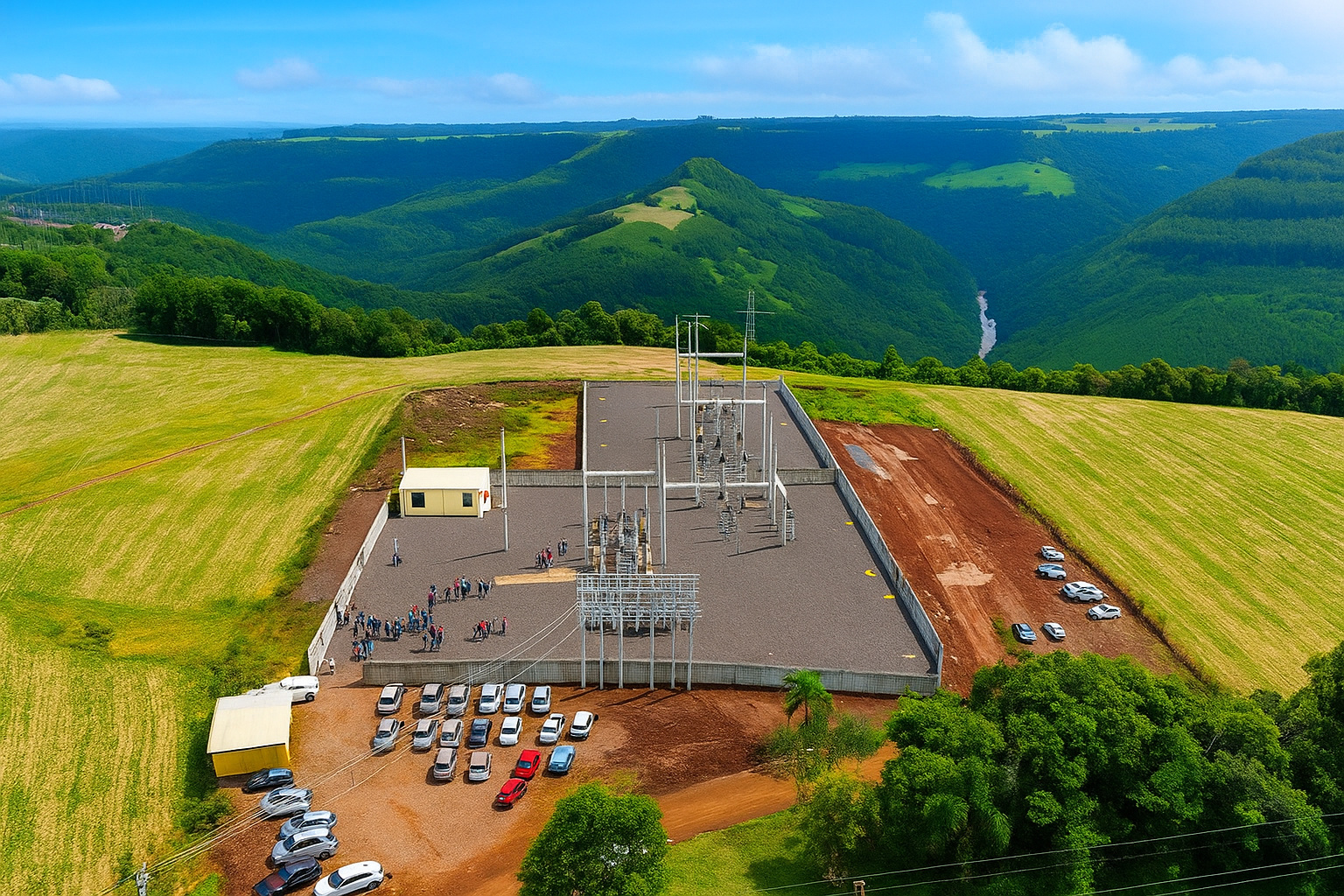
Learn How Renewable Energy Drives Growth in the North Region of RS, Strengthening Industries, Agriculture, and Sustainable Development.
The north region of Rio Grande do Sul is experiencing, more and more, a period of intense economic development.
Moreover, a large part of this growth results directly from the advancement in the energy sector.
In fact, renewable energy, which combines hydropower, solar, and biomass sources, ensures and drives growth in the region, providing reliable infrastructure for industries, small businesses, and rural areas.
In this sense, energy becomes not just a resource, but a strategic development engine.
Historically, the northern region of Rio Grande do Sul has always maintained an economy linked to agriculture and livestock.
Since the 20th century, rural production has driven the local economy; however, changes in the energy sector have expanded the possibilities for the region.
-
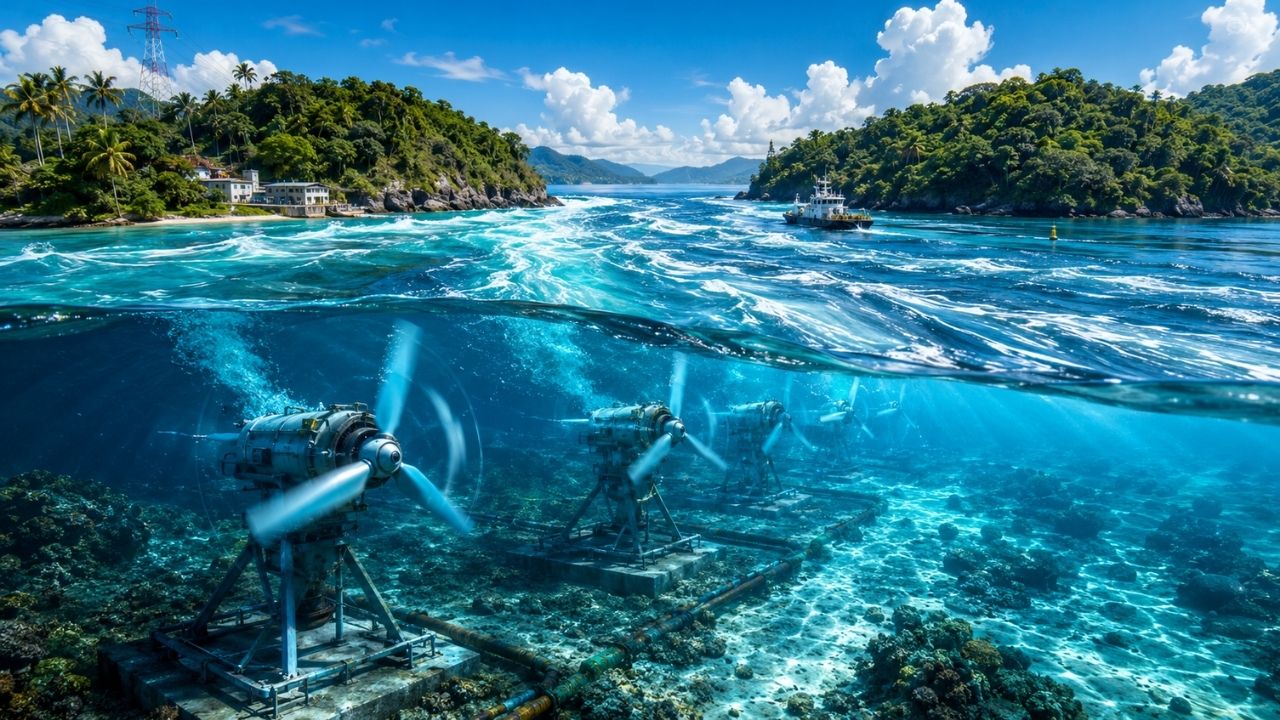
Forget common renewable energy: HydroWing prepares a 10 MW project in Indonesia to transform ocean currents into predictable electricity, using turbines installed on the seabed in a region where the funnel effect between islands increases tidal potential.

-
The world could operate on clean electricity by 2050, but a study indicates that this would require up to 20 TW of renewable energy, more than 9 million hectares for solar, and strong cooperation between countries.

-
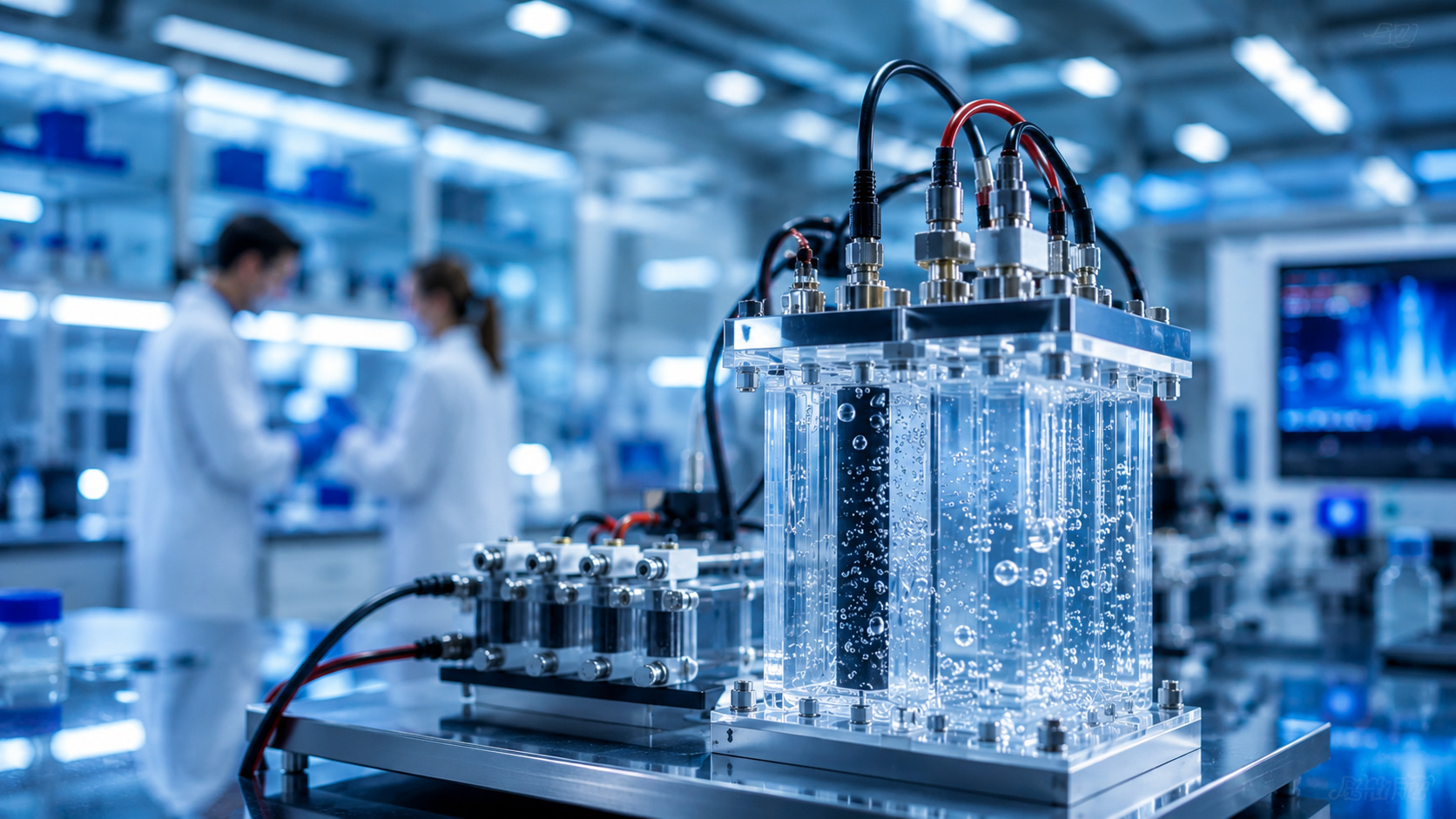
New catalyst developed by scientists in the USA enhances the performance of water electrolysis without using platinum, reducing operational costs and expanding the potential of green hydrogen as a strategic alternative for industries, heavy transportation, and clean energy generation.
-
China implements basalt fibers tested on the Moon to contain the desert’s advance in 1 million hectares, and the program surprises scientists worldwide.


Therefore, the arrival of electricity cooperatives, such as Creral, and the investments in clean generation show that the future of the region increasingly depends on the ability to produce and distribute energy sustainably.
At the same time, these changes create new opportunities for the population and the productive sector.
The growth in demand for energy directly indicates economic development.
Consequently, Creral recorded a significant increase in electricity consumption, reflecting the strengthening of the local industry and the expansion of rural enterprises.
According to recent data, the cooperative observed an increase in consumption that drives regional growth, boosting revenue and allowing for new investments in energy infrastructure.
Additionally, population growth and the expansion of cities in the northern region increase demand for energy, reinforcing the importance of sustainable projects.
On the other hand, new neighborhoods, commercial centers, and public services require a reliable and stable power grid.
In this scenario, renewable energy plays a central role, ensuring that both the population and companies have continuous access to the electricity necessary for their activities.
Thus, the energy sector becomes a strategic element of regional development.
Expansion of Electrical Infrastructure and Strategic Substations
Creral has invested in the construction of substations and the expansion of power grids, initiatives that strengthen the energy supply.
In 2025, the cooperative delivered its first substation in Entre Rios do Sul, with a capacity of 18 MW, and at the same time, began constructing another one in Sananduva.
Additionally, it has built dozens of kilometers of new three-phase networks, capable of meeting the growing demand from companies that are establishing themselves in the region or expanding their operations.
These investments not only ensure a reliable energy supply but also drive the growth of the region by attracting new businesses and strengthening existing sectors.
In this sense, electrical infrastructure serves as a foundation for sustainable development.
The north region of Rio Grande do Sul also stands out for its hydropower potential.
In fact, the macro-region concentrates more than half of the total hydropower capacity in the state, accounting for a large part of the granted and operational energy.
Creral’s hydropower plants, distributed among Pinhal Grande, Nonoai, and Maximiliano de Almeida, exemplify how local energy production provides the necessary support for economic development.
Furthermore, the cooperative is expanding energy generation to areas with great potential, such as the Serra, consolidating the region as a reference in the energy sector.
These projects expand generation capacity and, consequently, create jobs during the construction and maintenance of the plants.
This strengthens the local economy and offers opportunities for technicians, engineers, and energy professionals.
Solar Energy and Biomass: Diversification and Sustainability
In addition to hydropower, the north/northwest region of the state has also established itself as a solar generation hub.
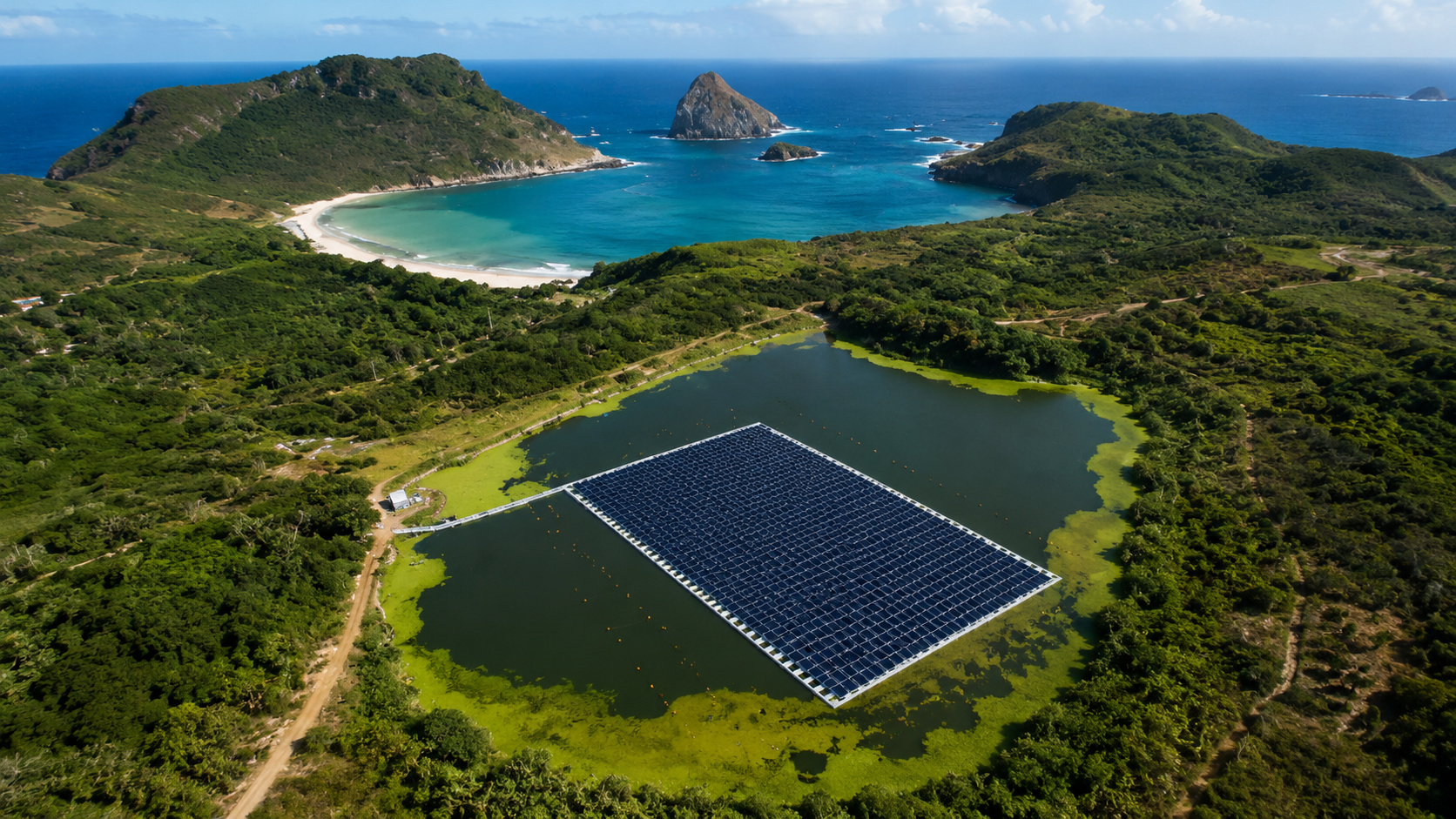
In this sense, the installation of several solar plants, including projects in Erechim, demonstrates that solar energy drives growth in the region.
Investment in solar energy diversifies the local energy matrix and contributes to environmental sustainability.
At the same time, it reduces dependence on fossil fuels and strengthens the industrial and agricultural sectors.
As a result, small and medium-sized enterprises can plan expansions without the risk of power outages, making the region even more attractive for new investors.
Biomass, in turn, plays an important role in the energy development of the region.
The northern region of Rio Grande do Sul concentrates a large part of the hog farming, allowing for the use of agro-industrial waste to generate clean energy.
In this way, the integration between agricultural production and energy generation not only ensures greater efficiency in resource use but also drives regional growth by creating new economic opportunities and generating local jobs.
Additionally, biomass projects stimulate sustainable agricultural practices, encouraging the reuse of waste and the reduction of environmental impacts.
This strengthens an economic cycle that integrates production, energy, and the environment.
Economic, Social, and Historical Benefits of Renewable Energy
The growth of the renewable energy matrix directly impacts the regional economy.
Therefore, rural and industrial companies are expanding operations with greater energy security, while small and medium enterprises access reliable energy to innovate and increase productivity.
Thus, modern energy infrastructure contributes to the competitiveness of the region, attracting investments and promoting sustainable development.
The historical context of the region shows that the evolution of energy has always accompanied economic progress.
From the early efforts of rural electrification in the 20th century, through the installation of small hydropower plants and distribution networks, to modern projects in solar and biomass energy, each stage has consolidated the region’s capacity to sustain economic growth.
Today, with advanced technologies and strategic planning, renewable energy has become one of the main engines that drives growth in the northern region of Rio Grande do Sul.
Moreover, the commitment of local cooperatives to expanding clean energy reinforces the role of the energy sector in regional development.
By investing in new substations, transmission lines, and renewable sources, these institutions ensure that the region continues to attract investments and create opportunities for its residents.
This movement strengthens the economy, increases energy security, and preserves the environment.
These elements are essential for sustainable and lasting growth.
Integration of Sources and Social Impacts
The integration of different energy sources strengthens the regional matrix.
By combining hydropower plants, solar plants, and biomass generation, the region creates a diversified and resilient matrix.
This diversity reduces risks, increases the reliability of supply, and primarily, drives growth in the region, creating a conducive environment for new businesses and innovation projects.
Furthermore, renewable energy brings significant social benefits.
Rural and urban communities gain access to quality electricity, which improves quality of life, allows for greater access to education, and promotes human development.
This multiplier effect shows that investments in clean energy benefit society as a whole, strengthening regional cohesion and creating a virtuous cycle of progress.
The strengthening of the energy sector also contributes to the reduction of regional inequalities.
Thus, smaller and more remote municipalities gain access to reliable electricity, promoting digital inclusion, improving public services, and encouraging the retention of young people and professionals in the cities of the interior.
Renewable Energy: The Future of the Northern Region of Rio Grande do Sul
In summary, the northern region of Rio Grande do Sul demonstrates how renewable energy ensures and drives growth in the region.
From the expansion of the power grid to the strategic exploration of hydropower, solar plants, and biomass, each initiative consolidates the local economy and generates new opportunities.
At the same time, these investments respect the environment and promote sustainable development.
This shows that it is possible to reconcile economic progress with environmental responsibility.
Therefore, the future of the region depends on the ability to maintain and expand energy projects.
With planning, technological innovation, and strategic vision, the northern region of Rio Grande do Sul can become a reference in clean energy, not only ensuring local prosperity but also driving growth in the region towards a sustainable and resilient economic model.







Be the first to react!