Portuguese
  Spanish


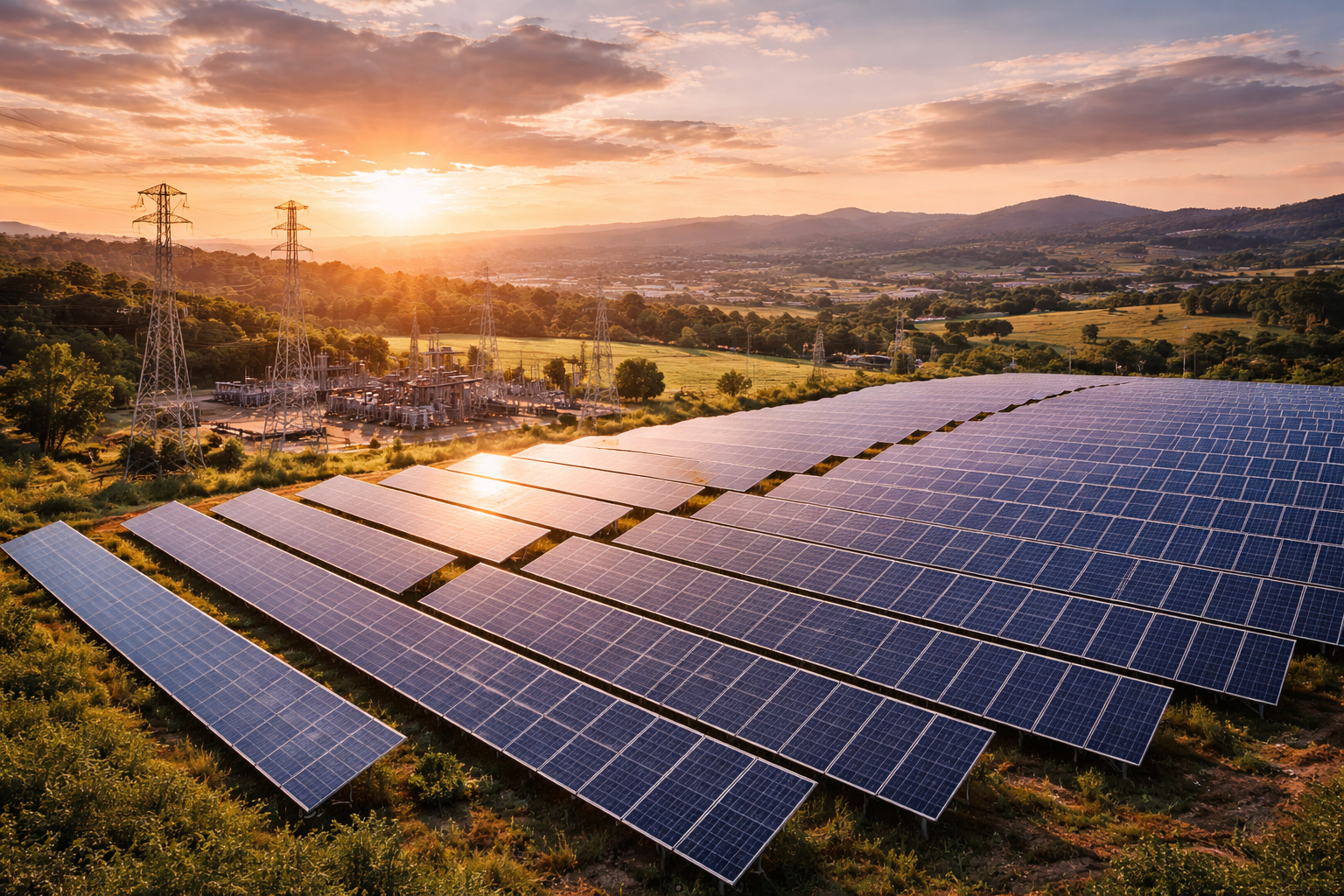

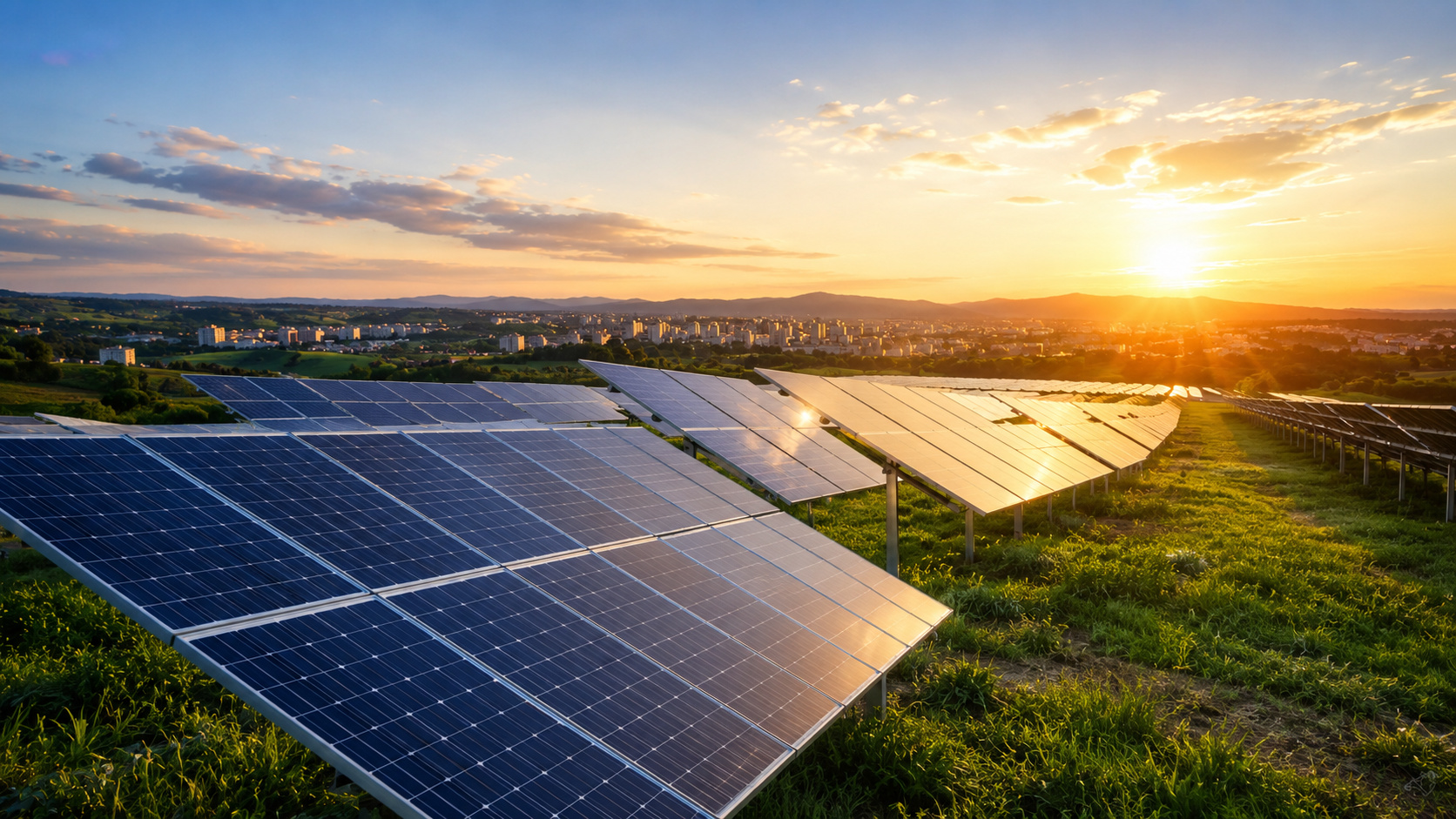
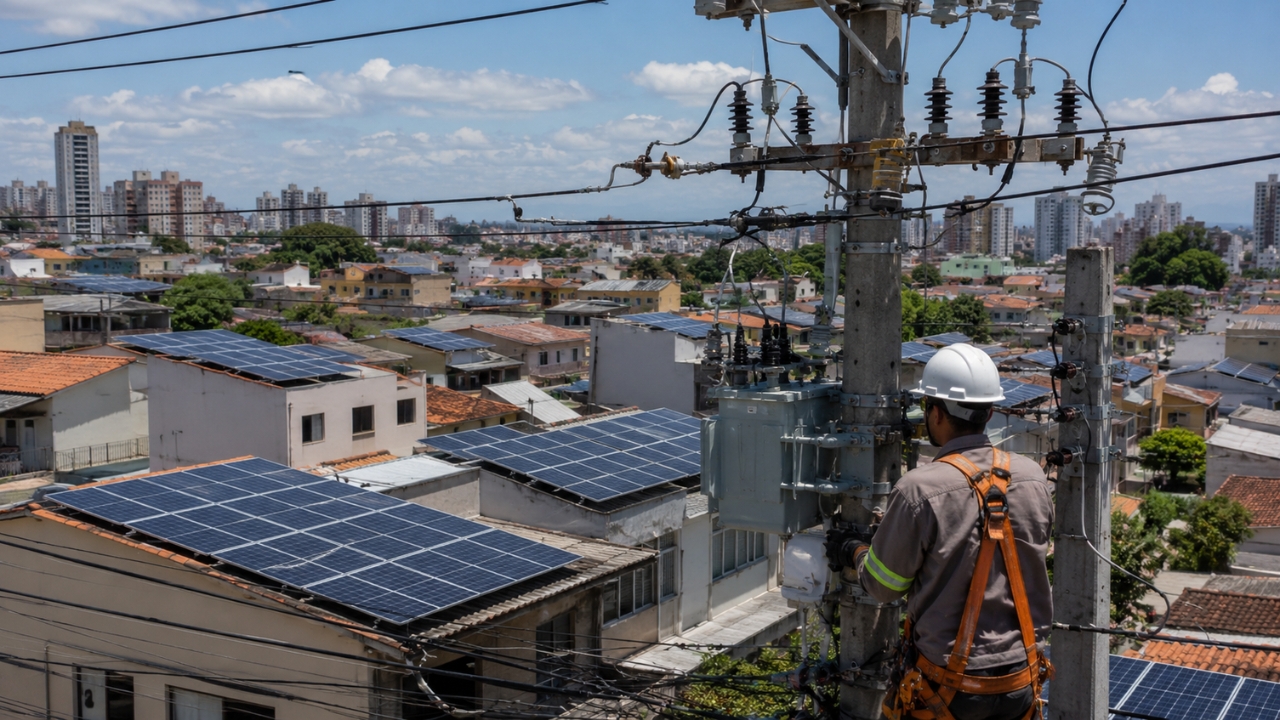
The solar energy continues to advance consistently in Brazil. Within this movement, Minas Gerais stands out as one of the main protagonists. With positive results over the past few years, the state is expected to receive around R$ 3.7 billion in investments in 2026, according to sector projections.
This volume represents approximately 12% of the R$ 31 billion projected for the infrastructure of solar energy in the country in the next investment cycle. Thus, Minas Gerais consolidates its leadership position by combining favorable natural conditions, regulatory maturity, and growing demand for clean electricity.
Furthermore, the investments should be distributed across different regions of the state. Cities such as Uberlândia, Belo Horizonte, Montes Claros, Uberaba, and Governador Valadares appear as relevant hubs in this process. Thus, the expansion of solar energy is not concentrated in a single axis but spreads across the state territory.
-
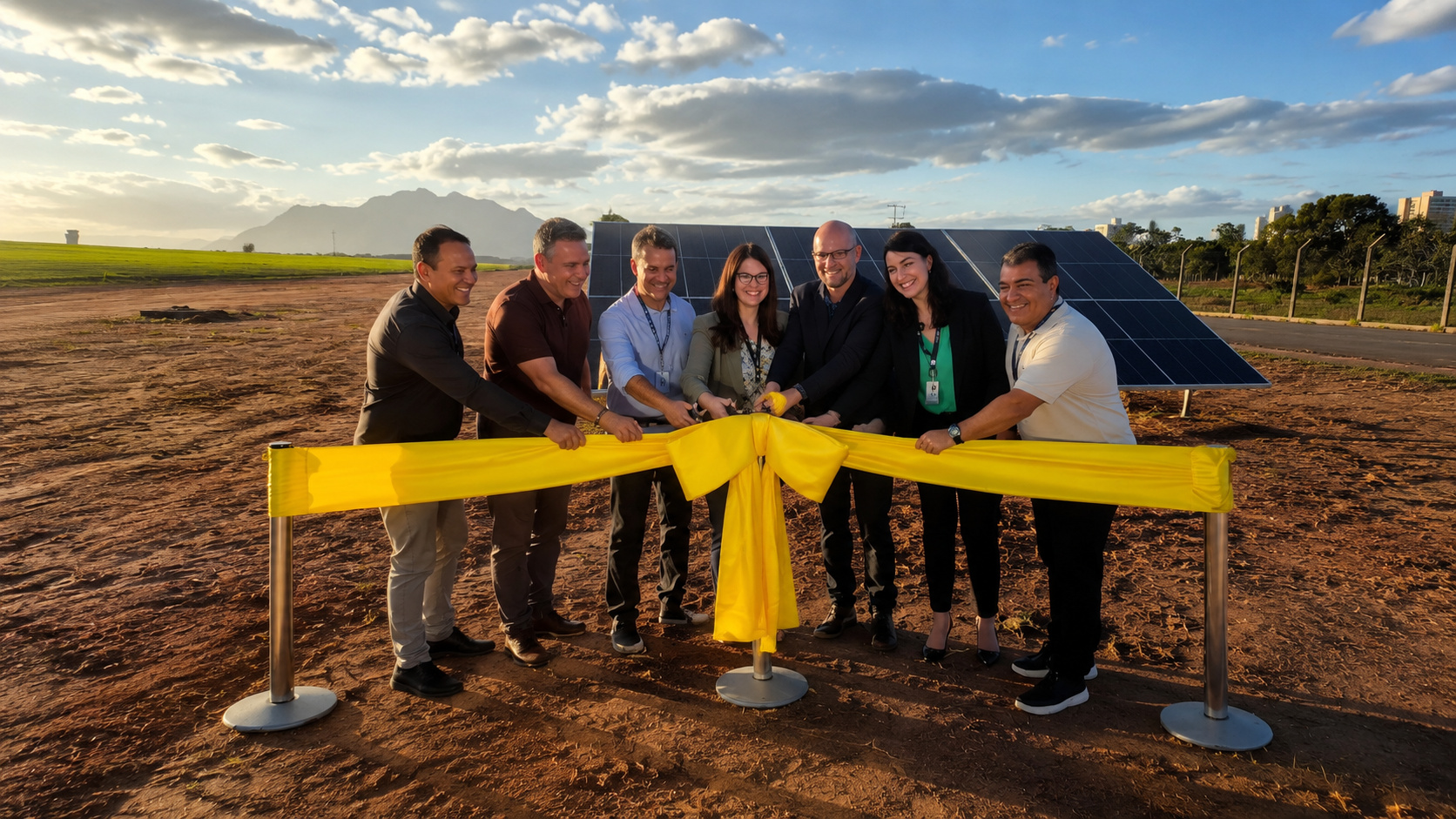
Brazil’s Vitória Airport to Launch Solar Plant Covering Area of 10 Soccer Fields, Boosting Clean Energy and Cutting Costs

-
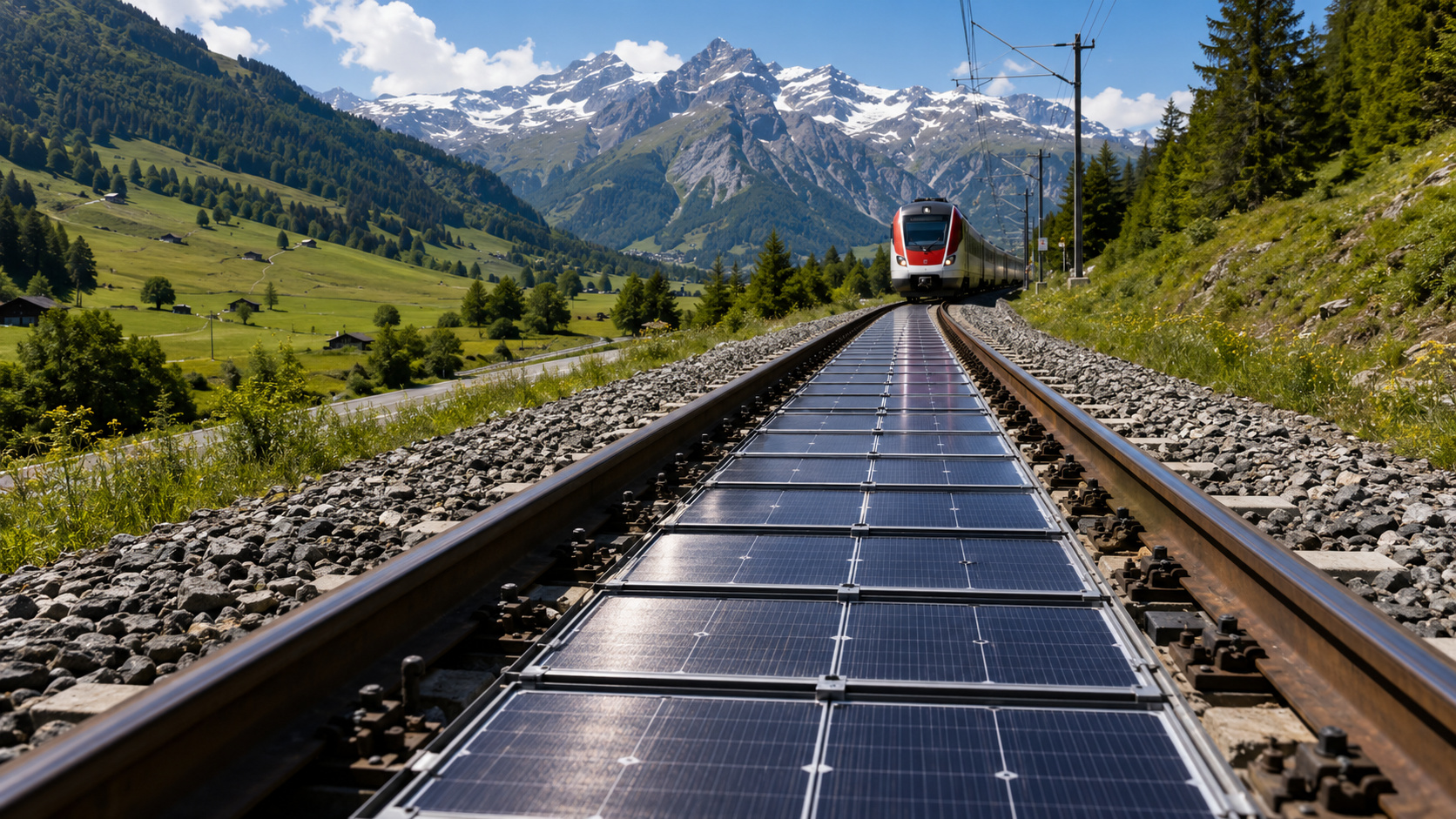
Switzerland Converts Train Tracks into Solar Power Plants with Removable Panels to Generate Energy Without Using Additional Land
-
Surge in Solar-Powered Homes in Brazil Leads to Grid Strain and Connection Restrictions in Three States

-
Solar Chimney in Spain Harnessed Sun to Generate Electricity for 7 Years Without Burning Fuel

Solar Energy and the Historical Trajectory of Minas Gerais
To understand the current prominence, it is necessary to look at the history of solar energy in Minas Gerais. Since the early 2010s, the state began to invest systematically in diversifying the energy matrix.
Initially, solar projects emerged sporadically. However, with the advancement of distributed generation and the decrease in technological costs, the scenario changed rapidly. Minas Gerais began to lead national rankings in installed capacity, both in distributed generation and in larger power plants.
According to data released by the National Electric Energy Agency (ANEEL) in 2024, the state ranks among the largest producers of solar energy in the country. This performance has created a solid foundation for new investments.
Solar Energy as a Vector for Attracting Investments
In recent years, solar energy has ceased to be merely an environmental alternative. It has transformed into a relevant economic vector. In Minas Gerais, this transformation is clearly evident.
On one hand, the state offers high levels of solar irradiation. On the other hand, it has a relatively robust electrical infrastructure and a diverse consumer market. This combination attracts national and international investors.
According to sector projections released in 2025, the investments anticipated for 2026 reflect confidence in regulatory stability and the growing demand for clean energy. Thus, solar energy consolidates itself as a strategic long-term asset.
Solar Energy and Regional Development
Another central aspect involves the regional impact of investments. Unlike other sources, solar energy allows decentralization. Power plants can be installed close to consumption centers or in areas with lower economic development.
In Minas Gerais, this translates into local job creation, increased municipal revenue, and stimulation of the regional economy. Medium-sized cities and logistics hubs begin to integrate into the solar energy production chain.
According to the state government, initiatives related to solar energy have helped to expand opportunities outside the Metropolitan Region of Belo Horizonte. This distributive effect strengthens the social role of the energy transition.
Solar Energy and the State’s Electrical Infrastructure
Despite the rapid growth, the expansion of solar energy requires attention to the electrical infrastructure. Substations, transmission lines, and distribution systems need to keep pace with the investment rhythm.
In this sense, part of the R$ 3.7 billion projected for 2026 should be directed toward modernizing the infrastructure. Without these enhancements, bottlenecks may limit the full utilization of solar generation.
According to reports from the electricity sector published between 2023 and 2025, Minas Gerais has advanced in increasing energy flow capacity. Nonetheless, the continuous growth of solar energy demands constant planning.
Solar Energy and the Relationship with the National System
The expansion of solar energy in Minas Gerais is also connected to the National Interconnected System. The state serves as an important link between different regions of the country, which enhances its strategic relevance.
By injecting clean energy into the system, Minas helps to reduce operational costs and emissions. Additionally, solar generation helps preserve hydroelectric reservoirs during dry periods, strengthening energy security.
According to the National Electric System Operator (ONS), solar sources play an increasing role in the balance of the system, especially during peak consumption hours.
Solar Energy and Regulatory Predictability
One of the factors explaining the attraction of investments is regulatory predictability. Since the regulation of distributed generation, the solar energy sector has operated under clearer rules.
Although adjustments have occurred over time, Minas Gerais has managed to maintain a favorable business environment. This stability is reflected in the continuity of projects and the increase in expected investments for 2026.
According to industry experts, investors prioritize regions where rules are known and respected. In this aspect, the state stands out in the national scenario.
Solar Energy in the Context of the Energy Transition
On the global stage, solar energy plays a central role in the energy transition. According to the International Energy Agency, the source leads the growth of installed capacity in various countries.
In Brazil, Minas Gerais aligns itself with this trend. By concentrating a significant portion of national investments, the state contributes to reducing emissions and diversifying the electricity matrix.
Moreover, solar energy aligns with the climate commitments made by the country. It enables economic growth without a proportional increase in emissions, reinforcing the sustainability of the energy system.
Solar Energy and Perspectives for 2026
Looking ahead to 2026, the sector sees a positive environment. The R$ 3.7 billion projected for Minas Gerais reflects confidence in the continuation of growth. At the same time, it indicates market maturity.
Strategic cities should concentrate new projects, while less explored regions are likely to gain ground. Thus, solar energy continues to expand its presence in a balanced manner.
This movement reinforces the view that Minas Gerais not only keeps pace but leads the advancement of solar energy in Brazil. The state establishes itself as a reference in infrastructure, investments, and clean generation.
Thus, the forecast of billion-dollar contributions in 2026 does not represent an outlier. On the contrary, it confirms a consistent trajectory, built over more than a decade, in which solar energy has established itself as a pillar of Minas’ and the nation’s energy development.