Portuguese
  Spanish


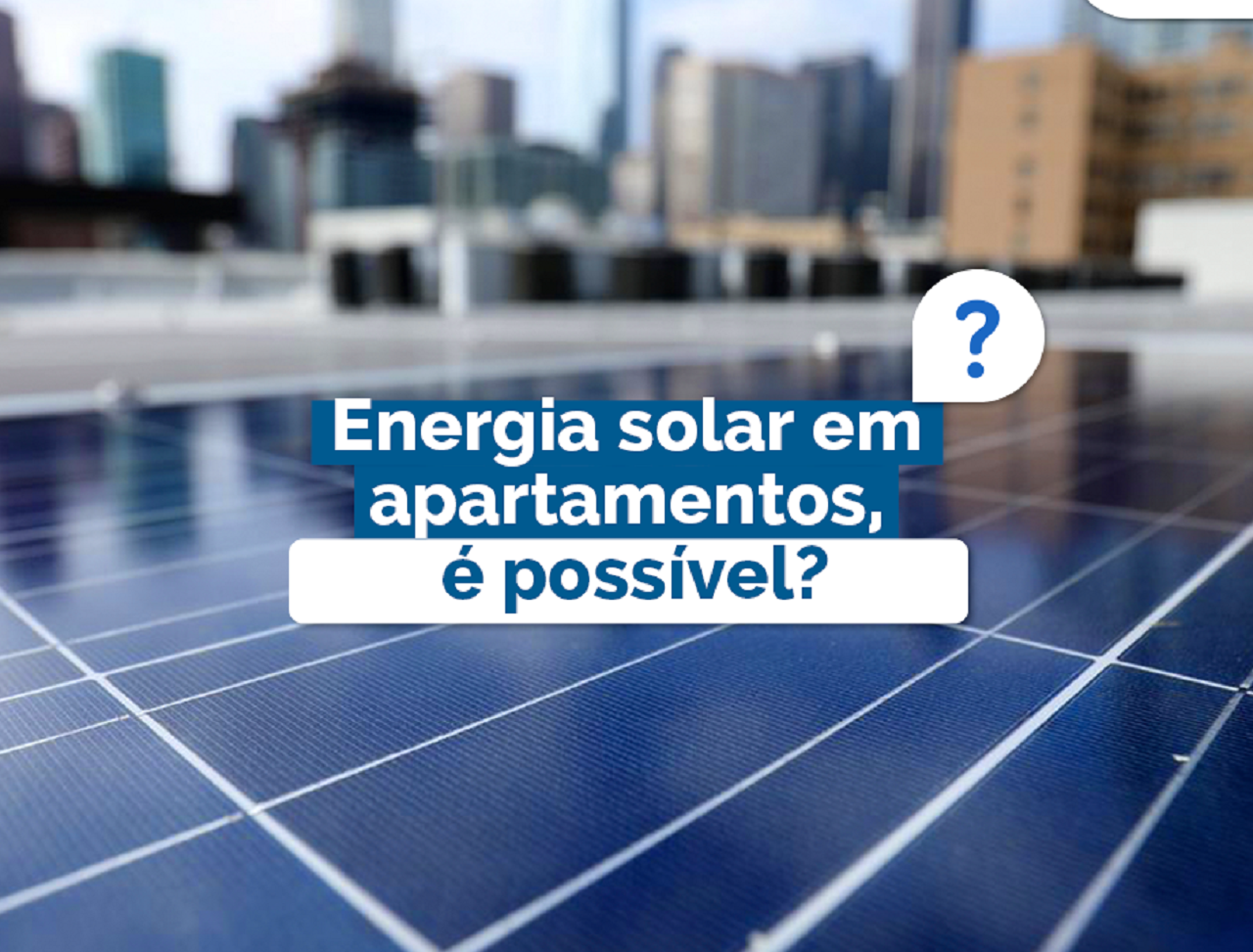

The Use Of Solar Energy In Apartments Can Bring A Number Of Benefits To Residents. In Addition To Producing Renewable And Clean Energy, There Is Also Shared Generation And A Reduction In The Electricity Bill
Solar energy system installations are more common in houses, commercial buildings, and industries because, in these locations, access to roofs and land suitable for implementing the equipment is easier. However, it is also possible to use solar energy in apartments when the residence is situated in high-rise buildings without a roof available for the resident. In the first resolution, where shared generation of renewable energy was addressed, this topic was not covered. However, its review already includes this type of installation.
Read Also
Advantages Of Using Solar Energy In Apartments


The credits from solar energy through shared generation, in addition to reducing the bill, can bring several other benefits to the user, especially regarding the savings on taxes and fees. Until 2015, for example, all renewable energy added to the electrical grid was subject to taxation.
-
Solar energy reaches 55 GW, becoming the second largest power source in Brazil’s energy mix

-
Brazilian scientists are simultaneously advancing two research projects on clean hydrogen and driving solutions that could transform the energy matrix, enhance industrial competitiveness, and accelerate large-scale emission reduction targets.
-
Advancement in renewable energy: A R$ 150 million project launched by Petrobras and Finep aims to create state-of-the-art electrolyzers for green hydrogen, strengthening national research and preparing Brazil to compete in a billion-dollar energy market.
-
Solar energy can increase property value by up to 10% and become a selling point.




However, with the establishment of the Sinief Adjustment 2, the ICMS tax became optional and it became the responsibility of each state to decide whether or not to apply it. The same happened with PIS/Cofins, but in no case can it be charged on the renewable energy injected.
Another benefit found in the use of solar energy in apartments is protection against increases in the electricity bill that may occur due to inflation. Once the consumer produces their own energy, they will not be as impacted by this factor.
Shared Generation
Without a doubt, solar energy credits are one of the major advantages for those who have their own systems, including in apartments. In addition to monthly savings, the credits ensure that the investment has a higher and faster return in the long term.
Thus, residents who use solar energy in apartments can benefit from shared generation, where the credits generated can be offset in consumer units with different CNPJs and CPFs.
The only requirement is proof of the link between the members of the system. This is because it is allowed to share credits among relatives, companies, neighbors, and others. A great example is the association of one or more consumers investing in a system to be installed in a location within the concession area of the distributor. This sector does not necessarily have to be a condominium.
Thus, the generated credits can be divided in the previously defined percentage. All with the aim of reducing the local consumption of each member of the group.
Renewable Energy Generation In Condominiums
Condominium residents can share the renewable energy generated among their units when there is not enough area on the roof. Thus, the offsetting of renewable energy credits is done independently on each participant’s bill. This is provided that the energy is generated in the same location owned by the condominium. Thus, residents can decide what is best for their consumption. They can choose to install a system that supplies only the renewable energy used in the common areas of the building; it can also supply only the use of the participating residents’ apartments; or both cases.