Portuguese
  Spanish


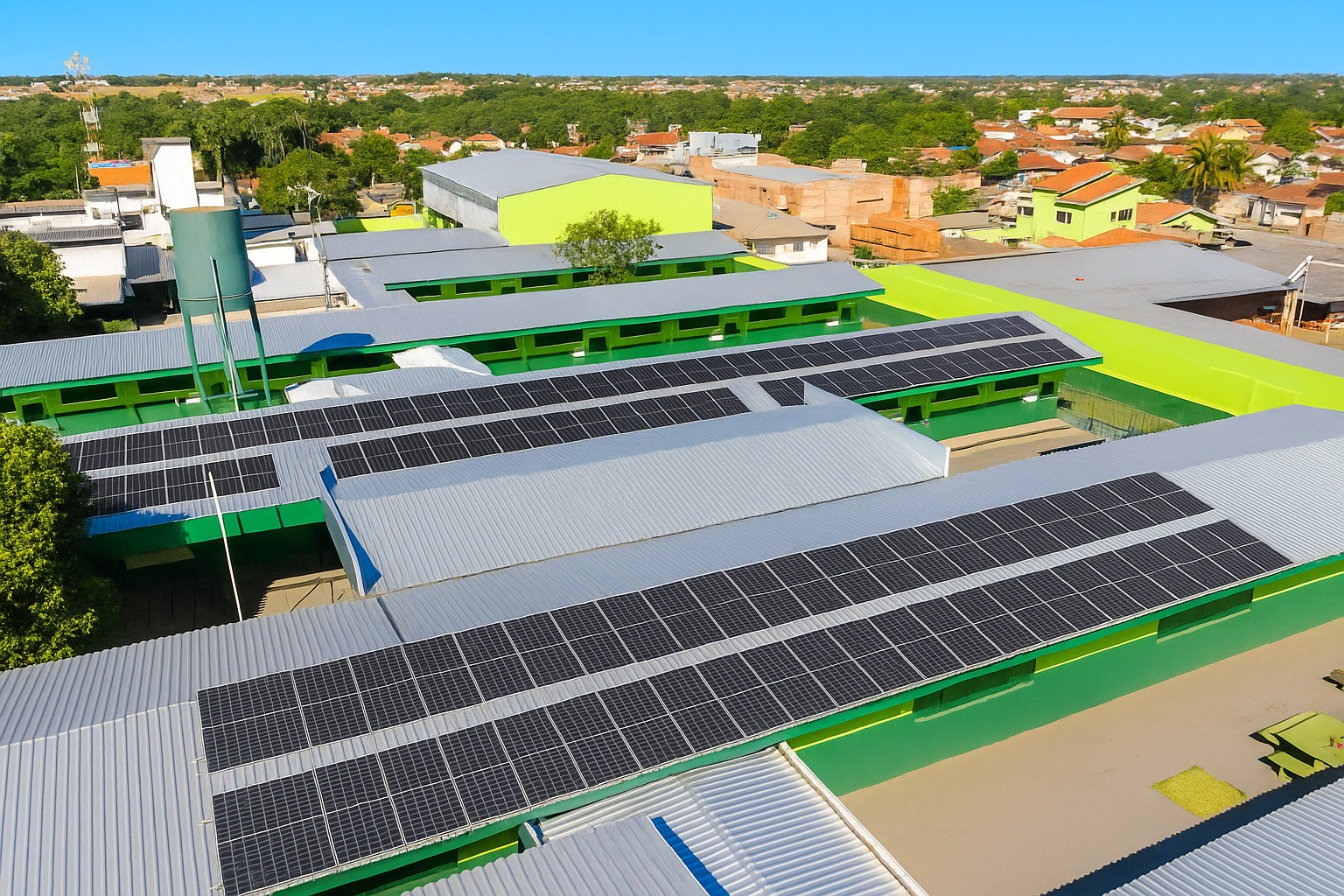

Discover How Solar Energy in Public Schools in Mato Grosso do Sul Generates Savings, Sustainability, and Modernization for the State Education Network.
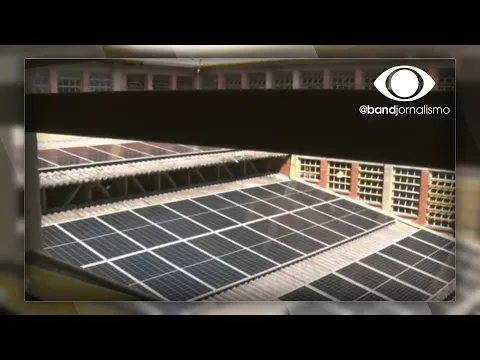
The adoption of solar energy in public schools has proven to be, without a doubt, an innovative and efficient solution to promote sustainability, reduce costs, and modernize educational infrastructure.
In the state of Mato Grosso do Sul (MS), this transformation is already impacting hundreds of school units, bringing concrete benefits for students, educators, and the entire community.
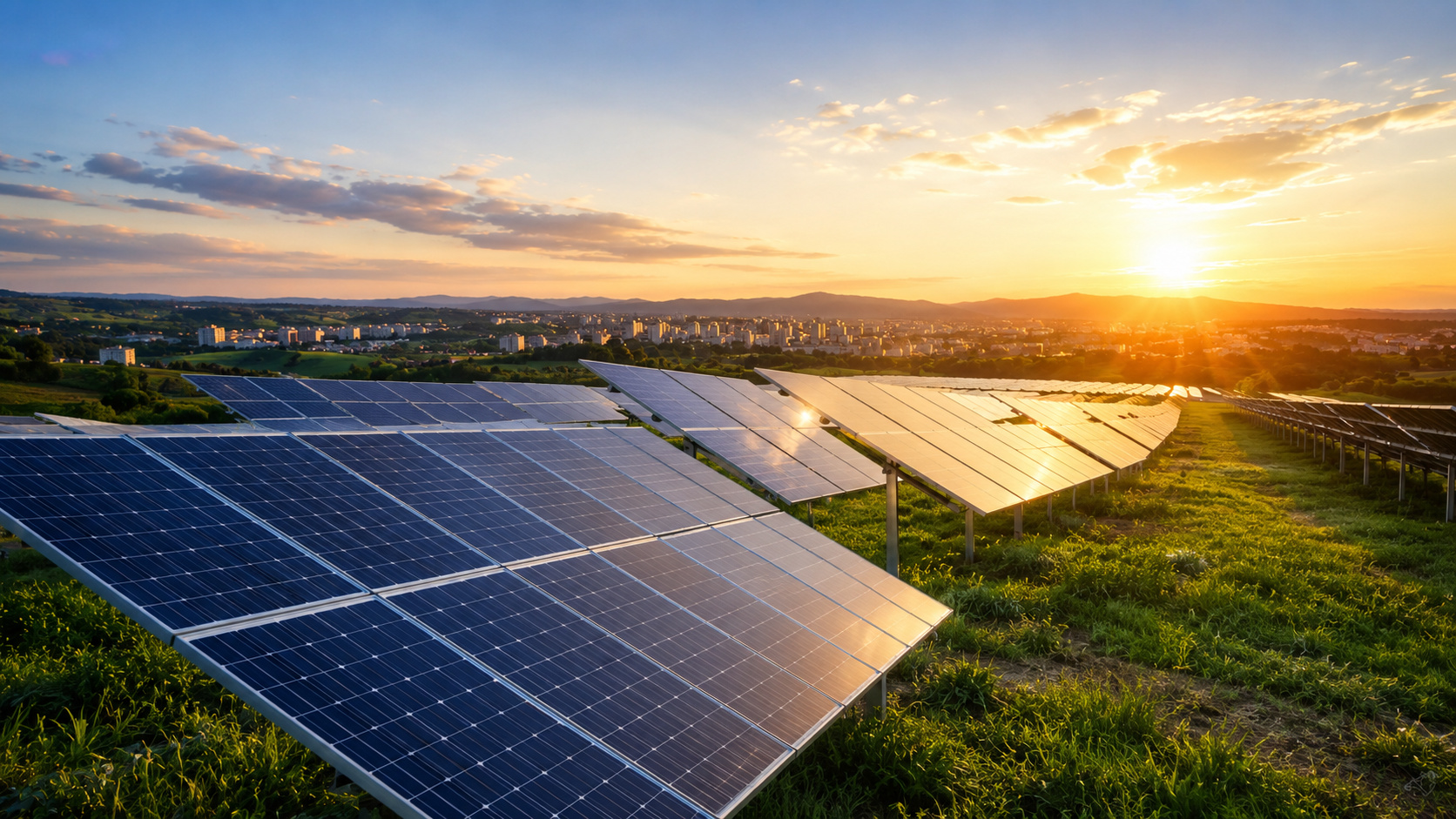
Indeed, solar energy, harnessed through photovoltaic panels, is a clean, renewable, and abundant source, especially in regions with good sunlight exposure, as is the case in MS.
-
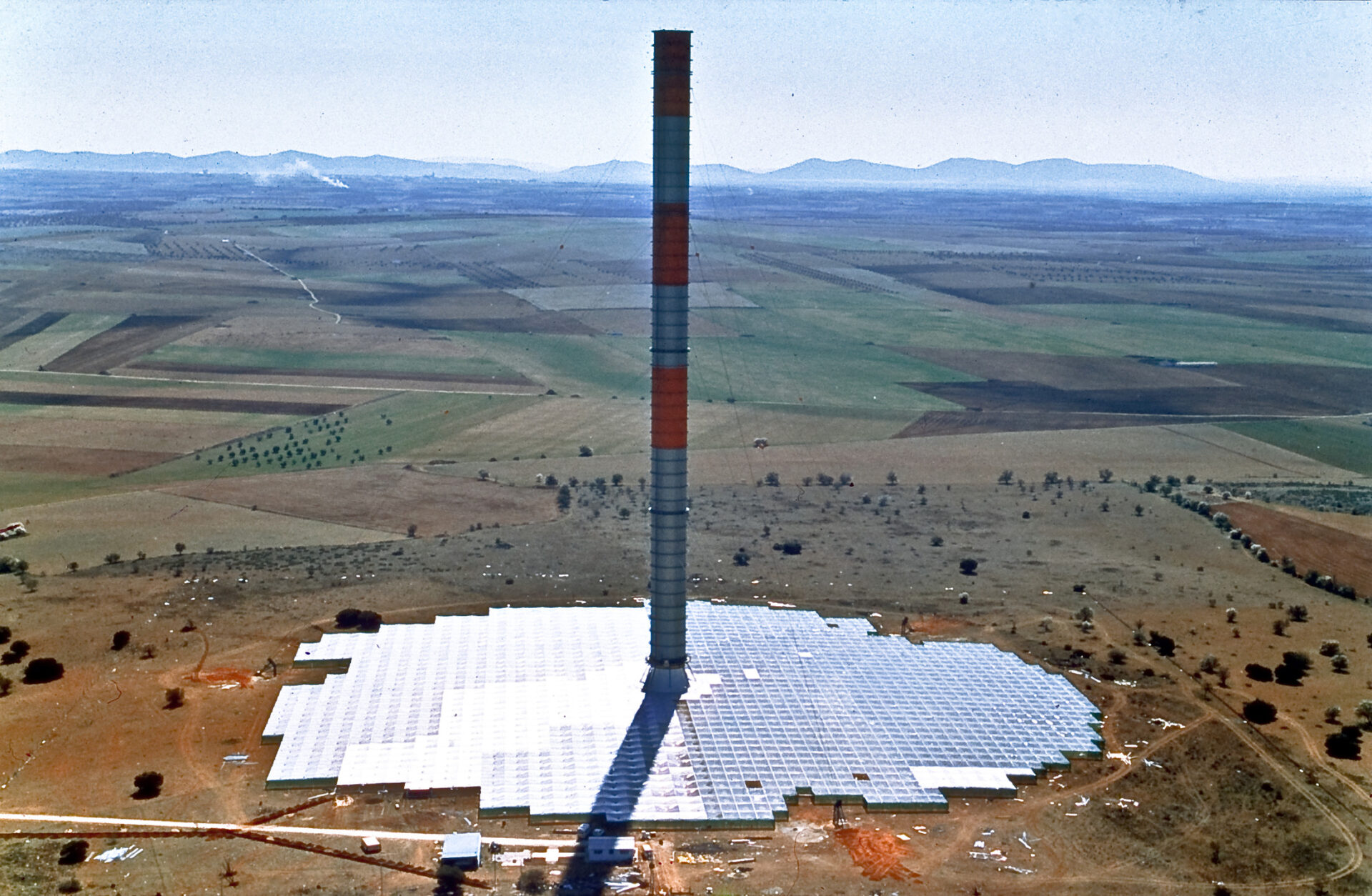
Solar Chimney in Spain Harnessed Sun to Generate Electricity for 7 Years Without Burning Fuel

-
Solar energy reaches 55 GW, becoming the second largest power source in Brazil’s energy mix

-
Solar energy can increase property value by up to 10% and become a selling point.
-
Solar and wind energy surpass natural gas for the first time in the world and accelerate energy revolution

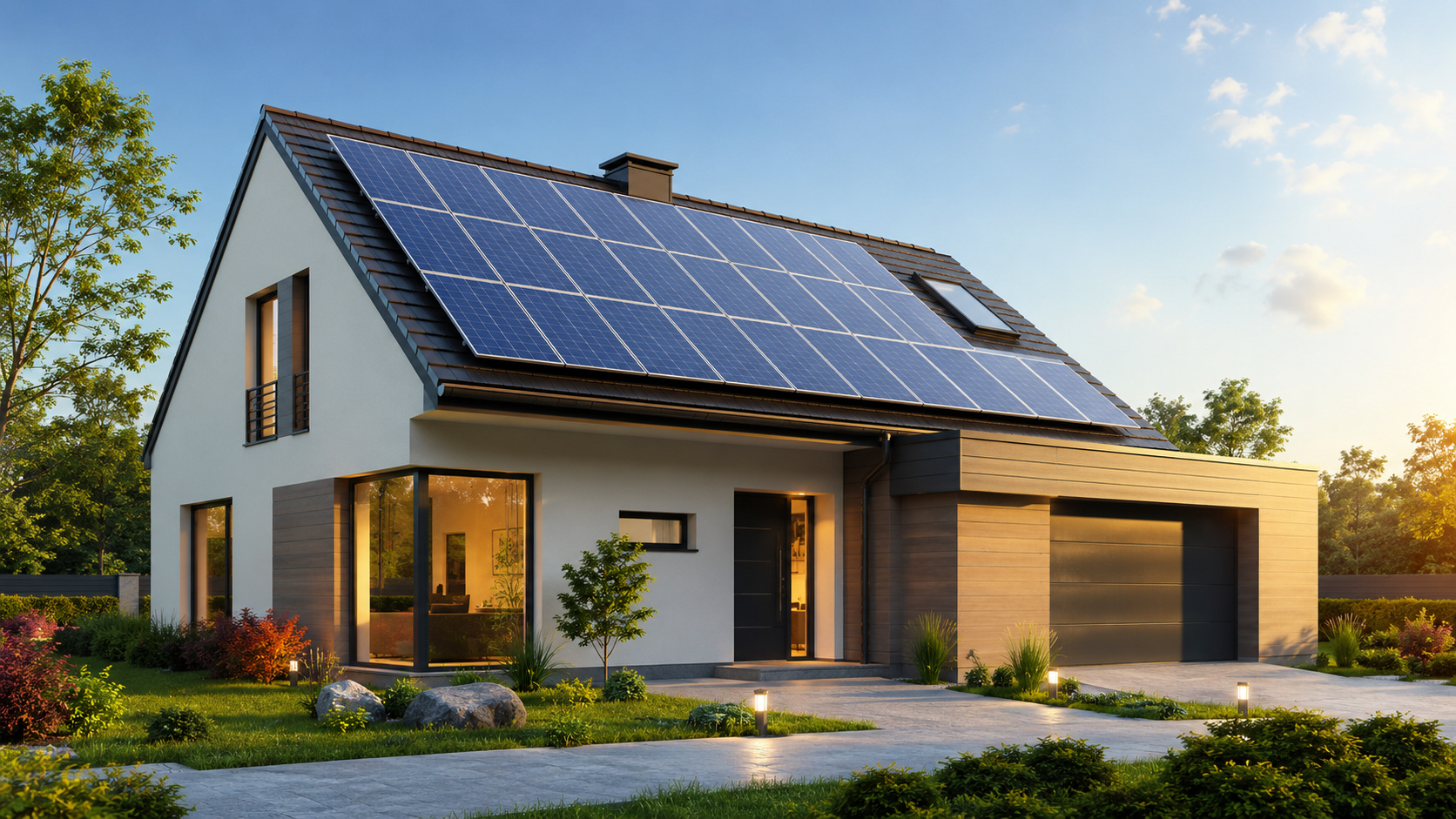

Therefore, applying this technology in public schools helps to address financial and environmental challenges while creating a more modern educational environment connected to sustainable practices.
Historically, public schools faced difficulties in keeping their energy bills under control, compromising resources that could improve teaching and infrastructure.
Moreover, reliance on the traditional power grid, based on fossil and non-renewable sources, increased public expenses and caused negative environmental impacts.
Additionally, many schools operate in old buildings with outdated and inefficient electrical systems, further raising energy costs.
Thus, modernizing these structures through the installation of solar panels updates the units, making them more efficient and aligned with current needs.
Historical Context and Advances in Renewable Energy in Brazil
Beginning in the 2000s, Brazil started to stand out globally in the use of renewable sources, with significant advances in wind and solar generation.
However, it was only recently that solar energy in public schools began to grow more significantly.
This occurred especially in states that seek to modernize their educational networks and meet environmental goals.
This movement aligns with a global trend that values clean energy and the reduction of carbon footprints, increasingly present in Brazilian public policies.
Moreover, the educational sector gains prominence in this scenario, as schools are essential spaces for shaping future generations.
Thus, they become strategic locations to promote sustainability.
In Mato Grosso do Sul, the advancement of this project results from a combination of public policies focused on sustainability and energy efficiency, along with the participation of public-private partnerships. Therefore, the government has already invested nearly R$ 5 million in photovoltaic systems for state schools, benefiting dozens of units spread across various municipalities in the state.
The savings on electricity bills is the most visible benefit of adopting solar energy in public schools. Indeed, in Mato Grosso do Sul, schools that adopted the system managed to reduce their electricity expenses by an average of 40%.
This significant amount frees up resources for other essential needs, such as purchasing materials, investing in educational technology, and improving physical infrastructure.
Educational and Environmental Benefits of Solar Energy
But the gains do not stop there. In fact, solar energy promotes a practical environmental education, as students experience concepts related to sustainability, renewable energies, and social-environmental responsibility.
This helps to form more conscious citizens who understand the importance of preserving the environment for future generations.
Additionally, the installation of photovoltaic panels contributes to modernizing schools.
Many units, in addition to solar energy, receive other infrastructure improvements, such as the implementation of piped natural gas systems and overall modernization of spaces.
This creates a more comfortable and technological environment for students and teachers.
Another important point is that solar energy aids in the energy autonomy of schools, reducing dependence on the conventional power grid and making the units less vulnerable to fluctuations and outages in supply.
This means, therefore, fewer interruptions in school activities, contributing to a more productive and peaceful environment for learning.
The success of implementing solar energy in public schools in MS also results from strategic partnerships between the government and the private sector.
Through a Public-Private Partnership (PPP), managed by the State Administration Secretariat, the generation of clean energy has been expanding with the installation of photovoltaic plants in different regions of the state.
Project Expansion and Social Impact
This partnership, with a projected duration of 23 years, allows the energy produced by the plants to offset the consumption of schools, benefiting the entire state education network.
Plants are already operating in cities such as Iguatemi and Mundo Novo, showcasing the generation potential.
The expectation is that by the end of the year, over 800 school units will be using solar energy.
In addition to schools, the system could serve about 1,400 state public buildings, consolidating Mato Grosso do Sul as an example of large-scale renewable energy adoption in the public sector.
Thus, the project not only reduces costs but also reinforces the state’s commitment to carbon neutrality.
It aligns with international environmental goals for 2030.
Another important aspect is that the installation of solar energy in public schools democratizes access to technology and innovation.
Previously restricted to rural or hard-to-access schools, the project now also reaches units located in urban areas, ensuring that modernization arrives in every corner of the state.
Contribution to Reducing Educational Inequalities
This expansion helps to reduce educational inequalities, providing a more efficient, sustainable school environment with better infrastructure.
For students, this means studying in places that value innovation and respect for the environment, inspiring future careers in technological and scientific fields.
Bringing solar energy to schools in different regions also strengthens community integration, stimulating sustainable regional development.
Clean energy creates opportunities for smaller municipalities, previously marginalized in accessing modern technologies, to grow based on solid environmental and economic initiatives.
The adoption of solar energy in public schools in Mato Grosso do Sul exemplifies how public policies aligned with technological innovation generate broad and lasting benefits for society.
In addition to significant financial savings, the initiative promotes sustainability, modernizes the education network, and educates new generations on the importance of taking care of the planet.
In a scenario where environmental challenges become increasingly urgent, investing in renewable sources within the public sector is a smart and necessary measure.
Therefore, the trajectory of MS shows that it is possible to transform the educational sector into an example of environmental responsibility and economic efficiency.
With the continuous advancement of this project, it is expected that in the coming years, solar energy in public schools will consolidate not only in Mato Grosso do Sul but throughout Brazil, contributing to a greener, fairer, and more innovative future.