Portuguese
  Spanish


Discover How Solar Energy Can Generate Millions of Jobs by 2030 and Transform the Brazilian Economy with Sustainability.
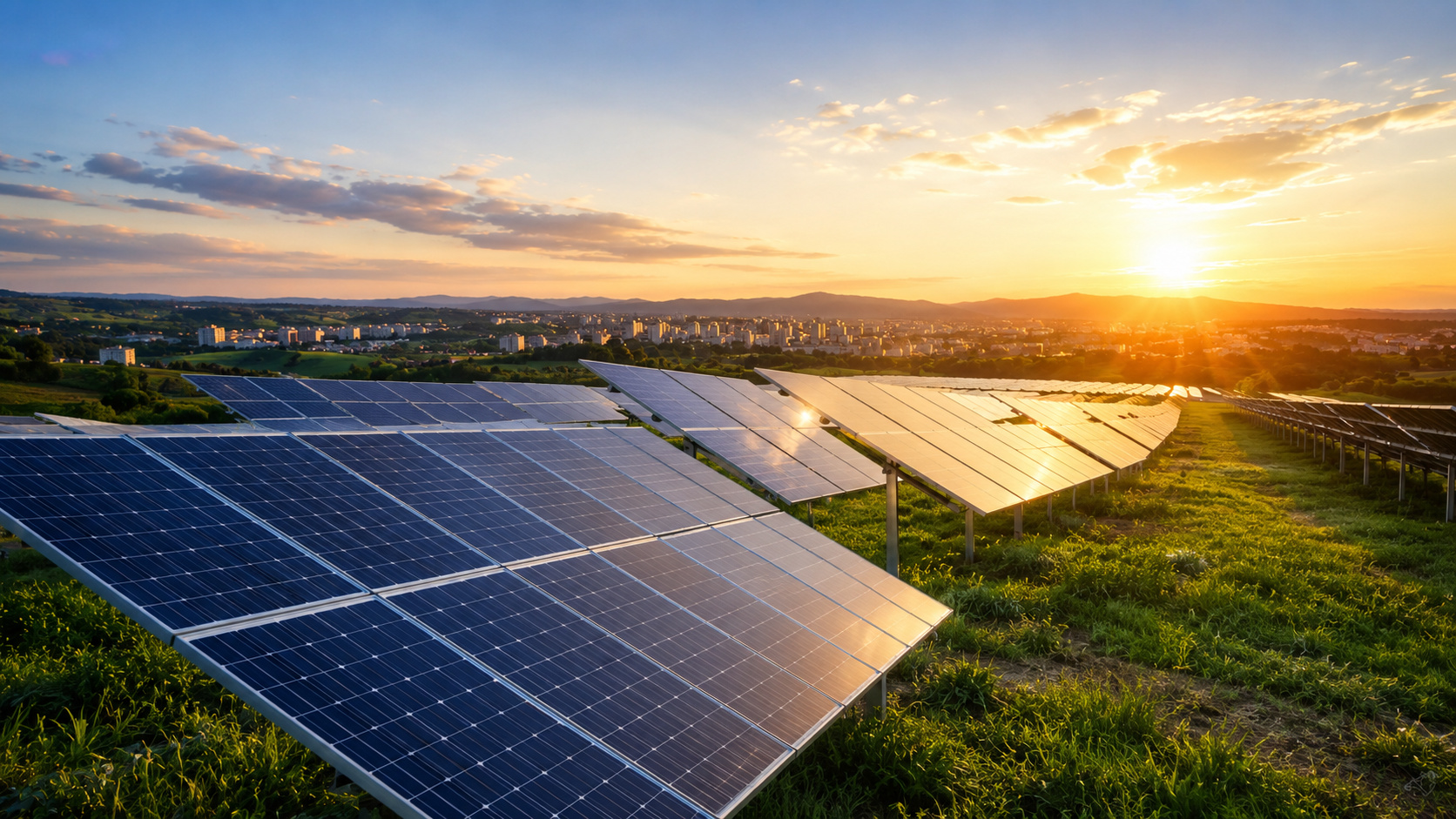
Solar energy has become one of the biggest bets for the future of Brazil. In addition to reducing electricity bills, this clean source strengthens the economy, creates jobs, and increases income in various regions.
According to Grupo Studio, a consulting firm specialized in energy and finance, the sector could generate up to 3.6 million jobs by 2030, which represents a historic milestone for the national energy matrix.
Since 2012, when distributed generation received regulation, solar energy has opened new opportunities in different fronts.
-
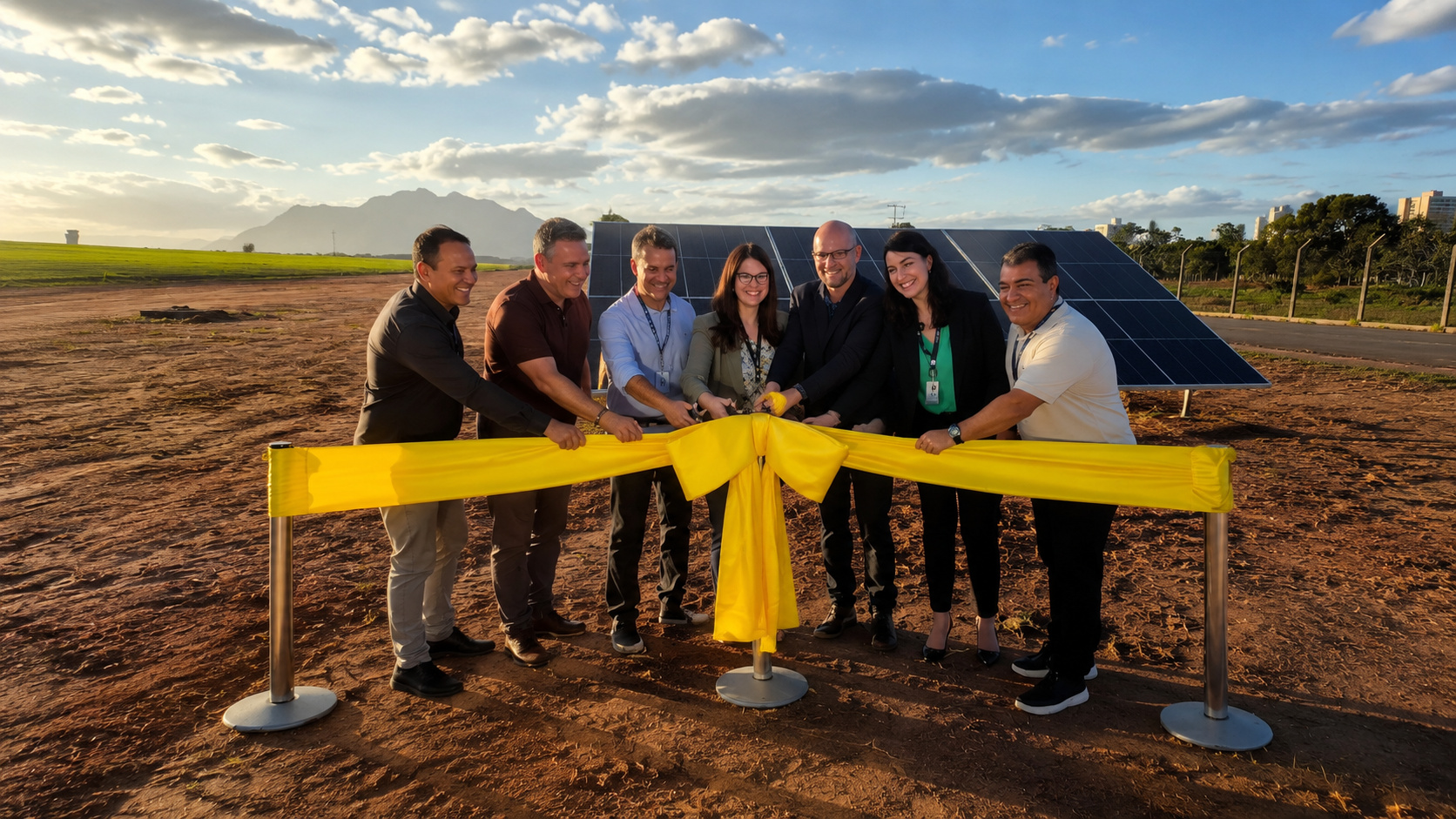
Brazil’s Vitória Airport to Launch Solar Plant Covering Area of 10 Soccer Fields, Boosting Clean Energy and Cutting Costs

-
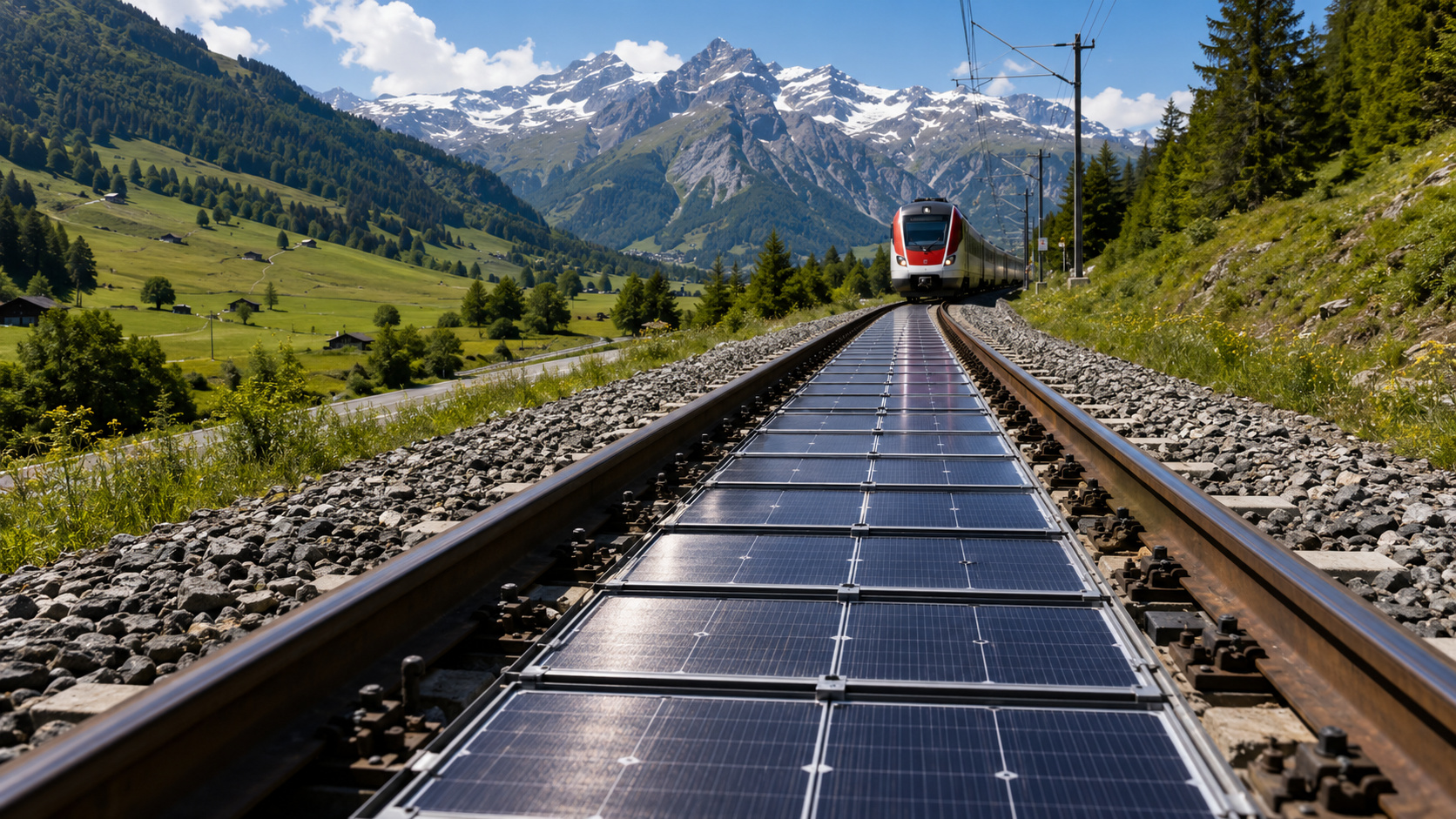
Switzerland Converts Train Tracks into Solar Power Plants with Removable Panels to Generate Energy Without Using Additional Land
-
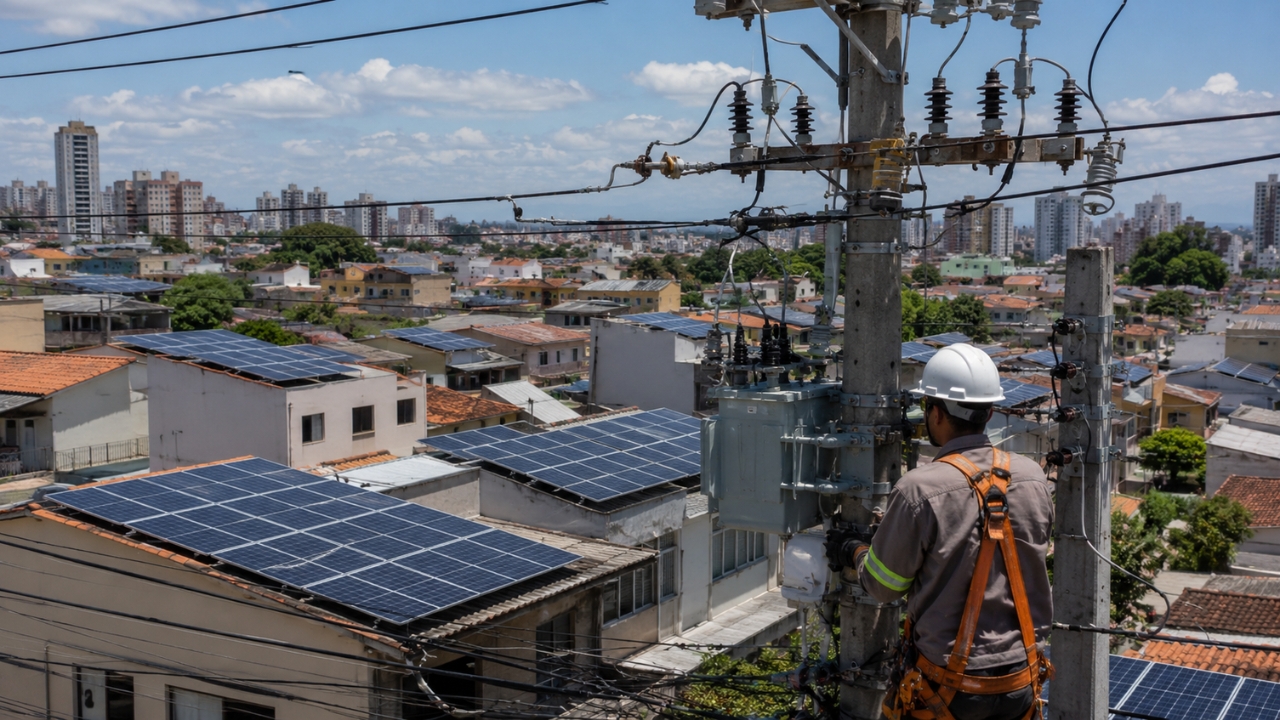
Surge in Solar-Powered Homes in Brazil Leads to Grid Strain and Connection Restrictions in Three States

-
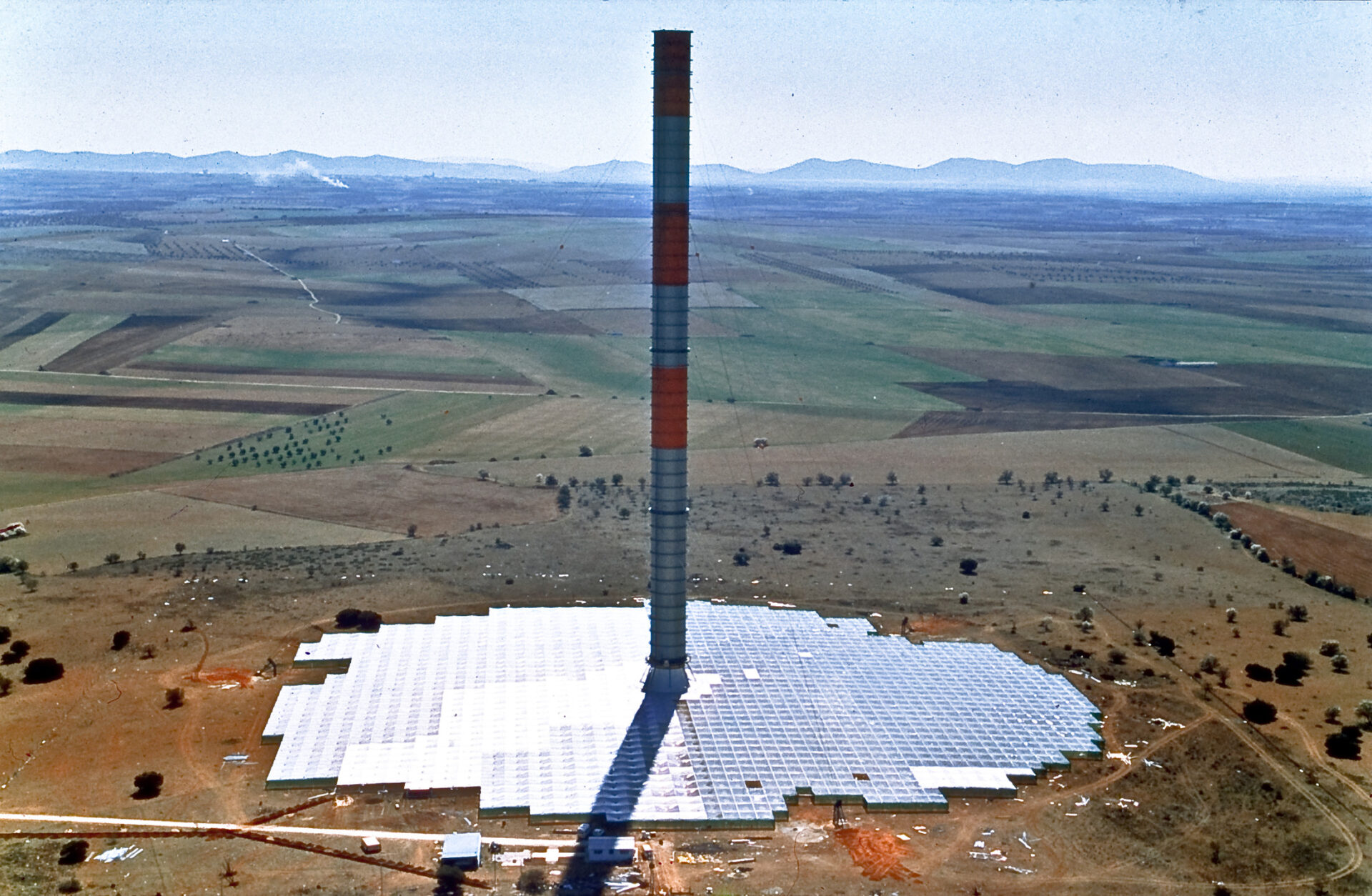
Solar Chimney in Spain Harnessed Sun to Generate Electricity for 7 Years Without Burning Fuel

Therefore, installation of systems, maintenance, equipment manufacturing, and even areas of digital innovation are part of this expansion.
Thus, the movement not only ensures more accessible electricity but also creates entry points for thousands of professionals seeking stability in a fast-growing market.
The Historical Evolution of Solar Energy in Brazil
Brazil began to invest more intensively in solar energy from the last decade. However, before that, the energy matrix heavily depended on hydropower plants, which still account for most of the production today.
However, climatic instability and prolonged droughts have highlighted the need to diversify energy sources.
It was in this context that solar energy went from promise to reality. After all, starting in 2012, consumers were able to generate their own electricity and even inject the surplus into the grid.
This model, known as distributed generation, definitively changed the game.
As a result, more than 1.4 million jobs have emerged since then, transforming the sector into a development engine.
Moreover, between January and July 2025, the capacity installed in distributed generation systems grew by 5.29 GW, according to data from the National Electric Energy Agency (ANEEL).
In just seven months, 513,321 new systems went into operation, benefiting nearly 930,000 consumer units, with a focus on the residential sector.
Solar Energy and the Expansion of Installed Capacity
Brazil reached, in August 2025, the mark of 60 GW of solar power in operation.
This number includes small and medium self-generation systems, which total 42.05 GW, and large solar plants, responsible for 17.95 GW.
Thus, the growth is impressive because, at the beginning of the same year, the country reported just over 53 GW.
In other words, more than 7 GW were added in just eight months.
This progress demonstrates that solar energy no longer plays a secondary role in the Brazilian energy matrix.
On the contrary, it has solidified as one of the foundations for ensuring electrical security and sustainability.
Thus, each new installed system represents savings for consumers and new job opportunities by 2030, ranging from technical activities to opportunities in research and innovation.
Furthermore, the expansion strengthens the national industry.
Companies manufacturing photovoltaic equipment, transporters, training centers, and startups related to sustainable energy find in the sector a fertile ground for growth.
As such, the multiplier effect intensifies: in addition to direct jobs, many indirect positions emerge in areas such as logistics, services, and commerce.
Economic and Social Transformation of Solar Energy
The energy transition brings impacts far beyond environmental issues.
Therefore, by investing in renewable sources, Brazil builds a new logic of growth.
Each solar panel installed in a house, business, or industry symbolizes more than efficiency: it represents economic autonomy and income generation.
The benefits particularly reach regions that previously suffered from a lack of opportunities.
In this sense, inland cities, historically distant from major investments, now welcome companies specialized in solar energy.
As a consequence, young people who previously migrated to capitals in search of work find new careers close to home.
Thus, solar energy also combats regional inequalities.
Moreover, companies investing in self-generation strengthen their image in front of customers and investors.
After all, sustainability has ceased to be just talk and has become a competitive differentiator.
Companies that reduce electricity costs and invest in clean sources stand out in increasingly demanding markets.
Solar Energy as a Strategic Asset for Companies
Moving away from sole dependence on the power grid and investing in self-generation has become a strategic step.
For many entrepreneurs, solar energy has shifted from a cost to an asset.
After all, controlling one of the largest operational expenses ensures financial breathing room and increases competitiveness.
Carlos Braga Monteiro, CEO of Grupo Studio, sums up this turnaround well:
“**It’s not just about reducing the electricity bill, but about transforming a liability into a strategic asset.
Solar energy allows the company to regain control over one of its largest operational expenses while advancing in commitments to innovation and sustainability.**”
Therefore, this perception attracts investors and partners, strengthens institutional image, and increases consumer confidence.
In other words, the impact extends beyond the cash flow and also strengthens companies’ positioning in front of an increasingly attentive audience to environmental and social issues.
The Future of Jobs by 2030
The number of jobs related to solar energy is expected to grow rapidly in the coming years.
The goal of 3.6 million jobs by 2030 reflects not only the installation of new systems but also the consolidation of a complex and diversified production chain.
Engineering professionals, electrical technicians, salespeople, lawyers specialized in energy contracts, and even software developers will find a place in this market.
After all, the sector demands constant innovation, which broadens opportunities for people with different backgrounds.
Moreover, the outlook connects with the global need to reduce carbon emissions.
In this context, countries that excel in the renewable sector will gain a competitive advantage in the coming years.
Brazil, with its abundance of sunlight and expanding market, has ideal conditions to lead this race.
Conclusion: Solar Energy as a Driver of Change
Solar energy has ceased to be merely an alternative and has taken on a central role in Brazil’s energy transition.
It represents savings for consumers, innovation for companies, and an avalanche of new job opportunities.
The expectation of 3.6 million jobs by 2030 shows that this source is not only sustainable from an environmental perspective but also socially and economically.
Thus, the country is moving towards a future where each installed solar panel symbolizes progress.
Therefore, it is not just about clean energy, but about human development, income generation, and strengthening the economy.
Investing in solar energy is, above all, investing in a fairer, more competitive, and sustainable Brazil.