Portuguese
  Spanish


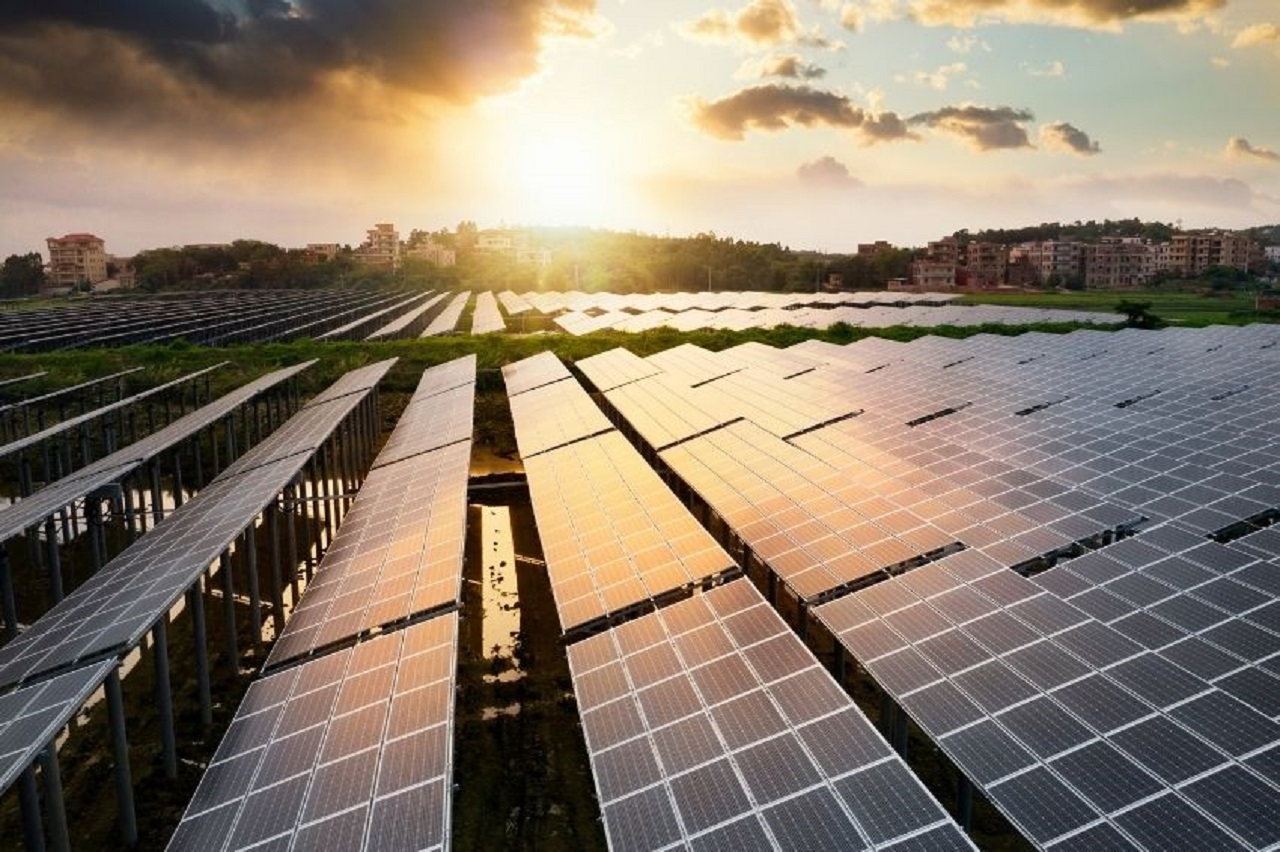

Solar Energy Subscription Is Becoming Popular in the Country and Can Generate Savings on the Electricity Bill of Up to 15%. The Model Does Not Require Investments and Is Exempt from ANEEL’s Tariff Flags.
With the electricity bill at high prices and the water scarcity flag triggered since 2021 and in effect until the beginning of this year, due to the severe drought that affected Brazil last year, Fredy Rodrigues, a businessman and owner of two bakeries in Santos, São Paulo coast, was looking for a way to reduce his energy expenses. Rodrigues emphasizes that quotes were made for the installation of solar panels on the roof; however, the property is not owned, and the investment would be too high. Thus, he discovered solar energy subscription, which promises savings on the electricity bill of up to 15%.
Businessman Explains Savings on Electricity Bill with Solar Energy Subscription
Facing the rising costs of bread and rent due to inflation, and with declining income because commercial buildings and universities were closed due to the pandemic, the executive learned about solar energy subscription. With the service, Rodrigues states that the savings on the electricity bill can reach an average of 12% per month.
An electricity bill for a bakery can range from R$ 12,000 to R$ 20,000 monthly, and in summer, there is a need to turn on all the air conditioning units, while in winter, the oven works more, meaning a lot of energy is consumed. The businessman claims that with a savings of 10 to 15% generated by the solar energy subscription service, there are R$ 2,000 less spent per month.
-
Brazil to Hold First Auction for Batteries to Store Solar and Wind Energy from the Northeast

-
Solar energy reaches 55 GW, becoming the second largest power source in Brazil’s energy mix

-
Brazilian scientists are simultaneously advancing two research projects on clean hydrogen and driving solutions that could transform the energy matrix, enhance industrial competitiveness, and accelerate large-scale emission reduction targets.
-
Advancement in renewable energy: A R$ 150 million project launched by Petrobras and Finep aims to create state-of-the-art electrolyzers for green hydrogen, strengthening national research and preparing Brazil to compete in a billion-dollar energy market.


Annually, this amounts to about R$ 48,000 in savings on the electricity bill using sustainable and clean energy. The businessman states he has already contacted the company’s marketing department to have this promoted, considering that the bakery is situated among three universities and students have a different perspective on this.
Brazil Adopts Solar Energy Subscription Based on Other Countries


Initiated in Germany and later spreading throughout Europe and the United States, the model of solar communities was based on cooperatives or consumer consortia that made the installation of small plants viable, sharing the generated energy despite being distant from the consumption site. Thus, some companies saw an opportunity in the regulatory change to provide a new service in Brazil: solar energy subscription.
This was the case with Sun Mobi, for example, founded in 2016 to operate in the sector, currently serving around 300 clients spread across 27 cities in São Paulo state. According to one of the company’s partners, Alexandre Bueno, the possibility arose to place the solar farm in one area, generating sustainable energy for the distributor, selling it in the form of credits that can be used to offset any electricity bill, as long as it is within the same concession area of the distributor.
How Does Solar Energy Subscription Work?
For instance, a house that consumes an average of 200 kilowatt-hours monthly in the concession areas of Cemig, the distributor operating in Minas Gerais, purchases credits from a solar energy subscription company that also operates in the distributor’s area.
The contracted company “injects” the generated solar energy into the grid, and the credits are deducted from the consumer’s tariff, generating savings on the electricity bill. In this model, the consumer is free from the tariff flag, a benefit established by ANEEL to promote the generation of clean energy close to consumption sites.