Portuguese
  Spanish




United Kingdom Reports Record Approvals of Renewable Energy Projects in 2025, Reaches 45 GW of Capacity, and Increases Focus on Batteries, Wind, and Solar.
Renewable energy reached a new level in the United Kingdom in 2025. The country approved a record volume of projects related to clean generation and electricity storage, nearly doubling the number of permits granted the previous year. This advancement reinforces the British strategy to accelerate the energy transition and reduce dependence on fossil fuels.
According to data from Cornwall Insight, the total approved capacity of renewable energy projects reached 45 gigawatts (GW) in 2025. The growth was primarily driven by battery storage systems, which are considered essential for the stability of the electrical system.
Batteries Lead Advancement and Change System Logic
The highlight of the year was energy storage. Approvals for battery projects jumped from 14.9 GW in 2024 to 28.6 GW in 2025. This substantial growth reflects the need to address the intermittency of renewable sources and ensure supply security.
-
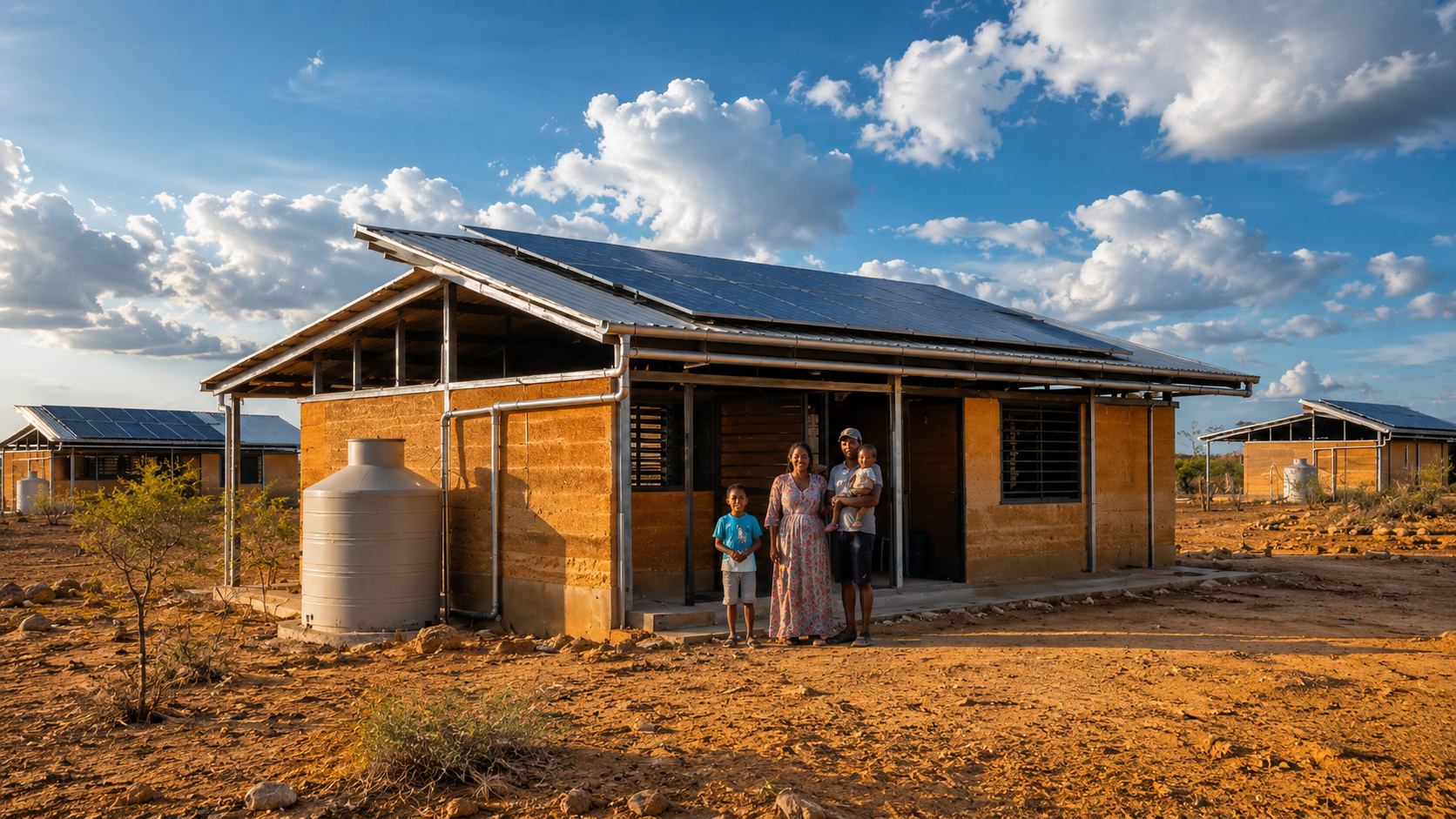
In Colombia’s desert, 30 families receive 80 m² homes with solar panels, waterless toilets, and rainwater collection systems amid water and energy shortages.

-
Engie Secures 10-Year Use of 625 MWh in Batteries to Store Excess Solar and Wind Energy in Spain by 2028
-
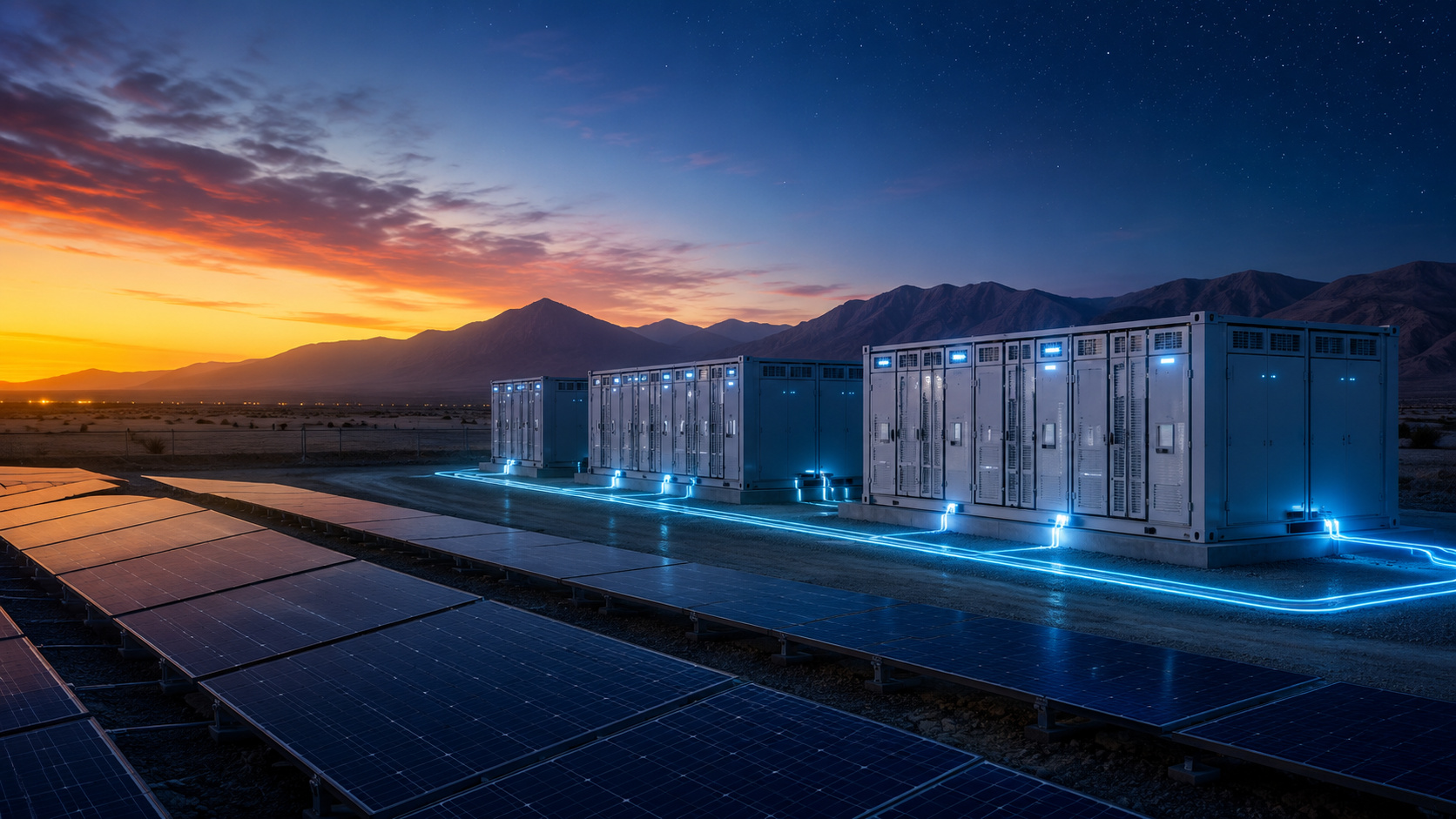
Giant Batteries Take Center Stage in Chile Auction as Company Offers 960 GWh of Solar Energy for Nighttime Use, Aiming to Stabilize Solar Power Supply
-
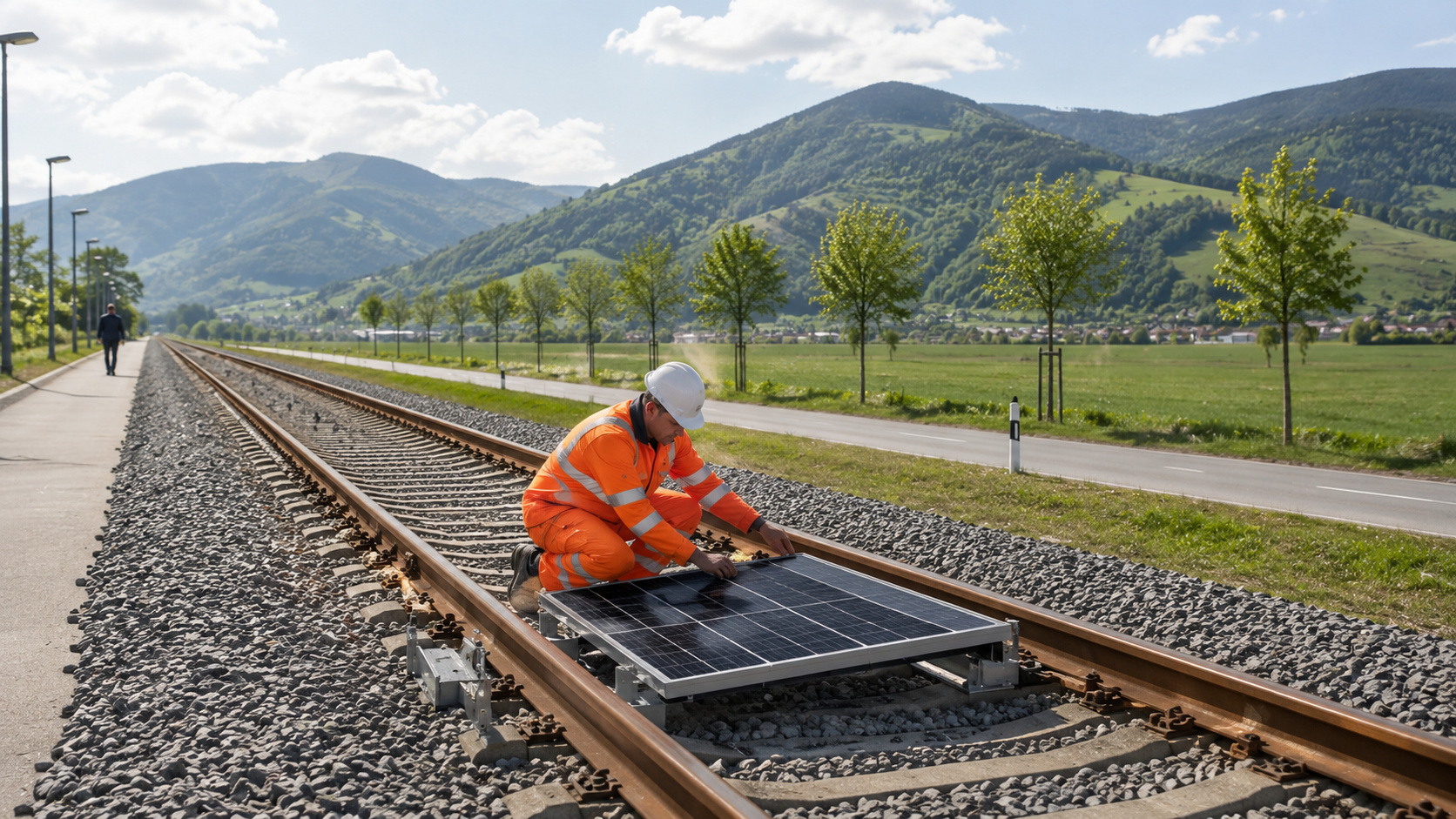
After a Year of Success in Switzerland, Solar Railway Attracts Italy’s Interest for Clean Energy Transformation

With more batteries connected to the system, the United Kingdom aims to store surplus generation and use it during peak demand periods. This strategy reduces overload risks, improves grid balance, and increases the utilization of energy produced from clean sources.
Offshore Wind Accelerates and Gains Prominence
In addition to batteries, offshore wind energy also showed significant advancement. Approvals surged from 1.3 GW in 2024 to 9.9 GW in 2025. This growth reinforces the role of the British coastline as one of the world’s leading wind hubs.
The increase in approved capacity indicates greater confidence from investors and the government in expanding generation at sea. Offshore projects tend to have larger scale and more stable production, contributing to long-term energy security.
Cumulative Growth Surpasses 400% in Five Years
The movement in 2025 is not isolated. According to Cornwall Insight, over the past five years, approvals for battery, wind, and solar projects have grown by more than 400%. This figure highlights a structural change in the United Kingdom’s energy policy.
This advancement occurs alongside the need to replace fossil sources and contain energy price volatility, a sensitive issue for consumers and governments.
Network Bottlenecks Worry Analysts
Despite the accelerated pace of approvals, experts warn of significant challenges. One of the main risks lies in delays in the construction and connection of projects to the power grid. Bottlenecks in the grid can prevent the approved capacity from quickly translating into effectively available energy.
Analysts note that recent reforms aim to expedite connection processes and reduce logistical hurdles. Still, additional investments in transmission and modernization of the grid will be crucial to sustain the growth of renewable energy.
Strategy Aims for Energy Security and Stable Accounts
The United Kingdom’s Department of Energy stated that the approvals are part of a broader strategy. The goal is to reduce dependence on fossil fuels, strengthen energy security, and keep electricity bills under control.
Industry experts emphasize that although the momentum is significant, the success of the transition will depend on the ability to align generation, storage, and grid infrastructure. The progress of renewable energies in 2025 reflects a transforming country, but also highlights the complexity of converting record permits into energy available for the economy and consumers.