






 Portuguese
  Spanish
  4 min of reading
  0 comments


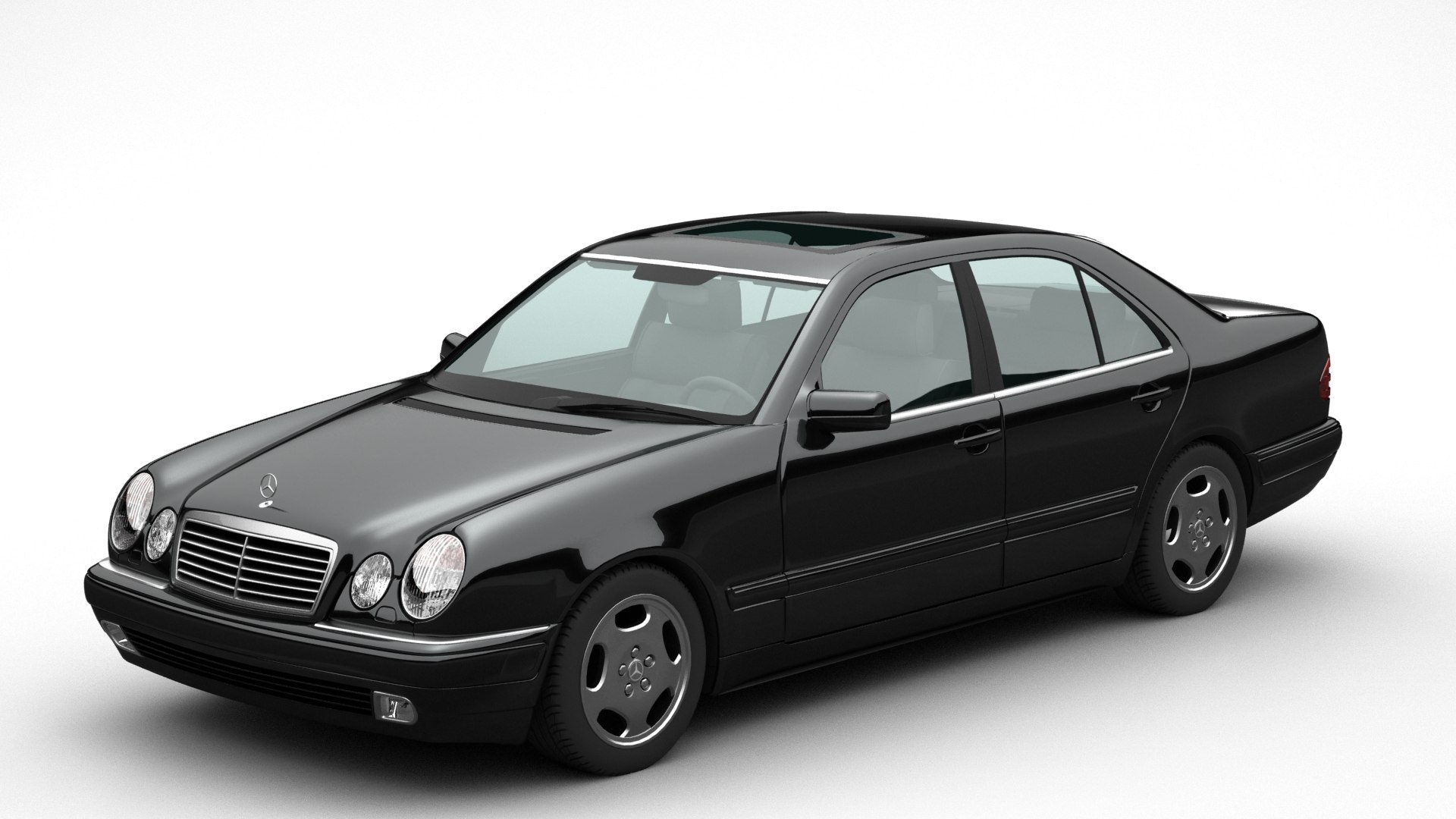
Criticized For Rust, But Famous For Indestructible Mechanics, The Mercedes E-Class W210 Became One Of The Most Durable Sedans In History.
The Mercedes-Benz E-Class W210, produced between 1995 and 2002, entered history for a curious and contradictory reason. While it became known for serious corrosion problems in the bodywork, it built an almost unbeatable reputation for mechanical robustness, capable of running hundreds of thousands and even millions of kilometers. This improbable combination transformed the W210 into a unique case in the automotive industry: a car criticized on the outside, but revered on the inside.
The Error That Stained The Image: Early Rust
During the 1990s, Mercedes-Benz went through a phase of aggressive cost-cutting. One of the results was the use of painting and anti-corrosion protection processes below the brand’s historical standards.
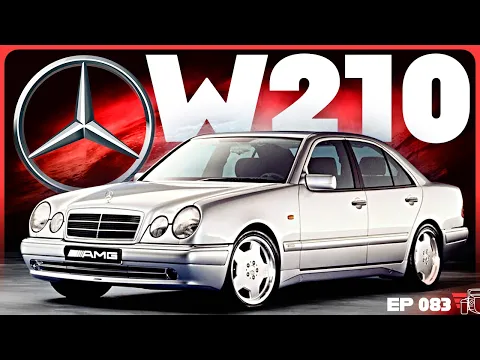

In the W210, this became evident quickly. Many examples began to show rust in:
-
Toyota Hilux owners should be cautious: the model has become a target for gangs that can open the vehicles without triggering the alarms, investigation reveals.

-
The Celta may return without gasoline, with a plug and a Chinese soul: Chevrolet prepares a new electric hatch in Ceará to try to challenge the BYD Dolphin Mini, Geely EX2, and the compact market in Brazil.

-
The 2012 Toyota Camry became the luxury Japanese sedan that costs less than many used compact SUVs, offering a V6 engine, 504 liters of trunk space, and executive comfort for those willing to step out of the ordinary in the used car market.

-
Hilux owners are having headaches, and Toyota is betting on a R$ 2,500 solution with a detail of just 5 mm that promises to reduce vibrations to 1/10 and change the pickup’s behavior on the road.



- door edges,
- fenders,
- trunk lids,
- welding points.
For a premium sedan, this was a shock. Mercedes, known for its obsession with quality, became the target of global criticism.
While The Bodywork Failed, The Mechanics Remained Intact
The paradox begins here. Despite the problematic bodywork, the mechanical set of the W210 was designed at a time when Mercedes still prioritized durability above all.
The engines were oversized, operated at low specific rpm, and utilized robust metal components, with little dependence on sensitive electronics.
Engines Made To Last Decades
The W210 featured some of the most resilient mechanics ever produced by the brand. Among the highlights are:
- M111 (4 cylinders) — simple, reliable, and easy to maintain
- M112 (V6) — smooth, durable, and with a timing chain
- M113 (V8) — abundant torque and a reputation for being almost indestructible
- OM611/OM612/OM613 (diesel) — known for exceeding 500,000 km without major repairs
These engines were designed to last a long time before requiring major interventions, which is rare even by today’s standards.
Transmissions That Did Not Accept Fragility
Another key point of the W210’s durability lies in the automatic transmissions of the time, such as the 5G-Tronic. These transmissions:
- used a traditional torque converter,
- had reinforced gears,
- operated well below their structural limits.
With basic maintenance, they could last hundreds of thousands of kilometers without serious failures, something unthinkable for more complex modern transmissions.
Electronics Too Simple To Break
Unlike more recent models, the W210 was born before the explosion of electronic modules. This means:
- fewer sensors,
- fewer control modules,
- fewer points of failure.
The result was a car that aged better electronically than many newer Mercedes.
Why It Can Endure Abuse Even Today
The E-Class W210 was designed for intensive use. It is no wonder that it became a common choice for:
- taxis in Europe,
- corporate fleets,
- executive services.
These cars were driven every day, in any weather conditions, often with minimal maintenance and still kept running.
Rust Decreased The Value, But Saved The Legacy
The corrosion problem had a curious effect on the used market. The W210 devalued sharply, becoming affordable. This placed in the hands of many owners a sedan with:
- high comfort,
- extremely durable mechanics,
- rare cost-effectiveness for its size.
Even today, many examples continue to run precisely because the most expensive parts of a car, the engine and transmission, remain healthy.
The W210 As A Symbol Of A Mercedes Transition
The E-Class W210 represents a turning point in the history of Mercedes-Benz. After it, the brand:
- improved anti-corrosion protection again,
- increased electronic complexity,
- reduced mechanical oversizing.
In other words, the W210 was one of the last Mercedes designed to last longer than the market expected.
Why It Is Still Remembered As One Of The Most Durable
Even with all the aesthetic flaws, the E-Class W210 built a solid reputation because mechanical durability outweighs appearance over time.
Modern cars may look perfect on the outside, but few withstand decades of intense use as it did. The Mercedes-Benz E-Class W210 entered history as an automotive paradox.
It rusted on the outside, yes.
But it did not break on the inside.
This improbable combination transformed an industrial mistake into an unintentional legacy. Today, the W210 is remembered not for its flawed paint but for representing an era when engineering came before marketing and lasted longer than the bodywork.








-

-

2 people reacted to this.