






 Portuguese
  Spanish
  5 min of reading
  0 comments


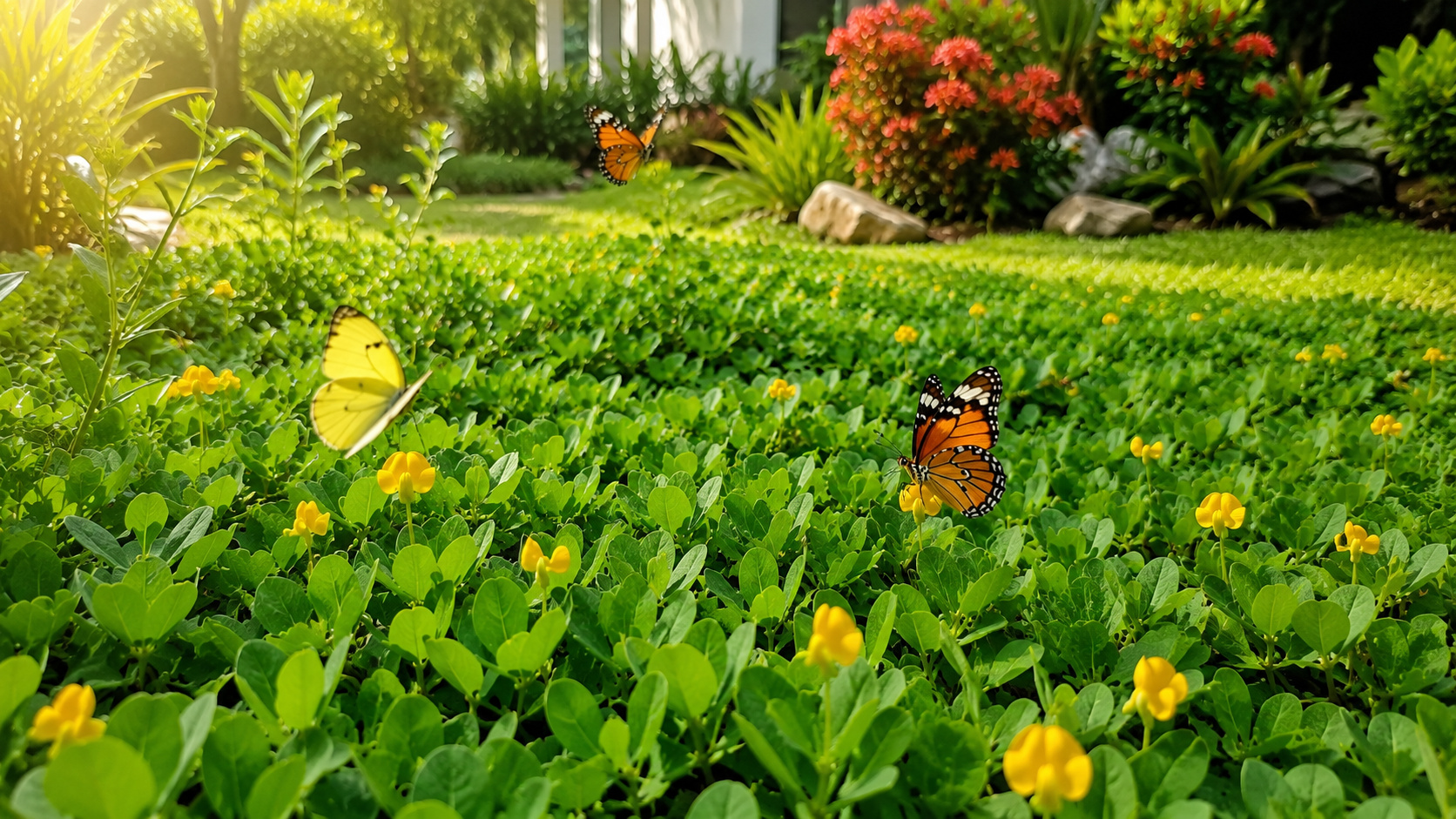
Discover why peanut grass is gaining space in Brazilian yards with sustainable landscaping, low maintenance, and water savings.
Having a beautiful green area around the house remains a desire for many Brazilians. The problem is that the constant maintenance of traditional grass requires time, water, and frequent expenses with equipment and specialized services. In this scenario, an alternative is gaining space in Brazilian yards: peanut grass.
Scientifically known as Arachis pintoi, the species has gained prominence for requiring little care after rooting, withstanding drought periods, and still offering yellow flowers that enhance the environment. Additionally, studies published by the Wiley Online Library indicate that the plant acts as an important sustainable ground cover, contributing to soil improvement and reducing the use of chemical fertilizers.
According to information from Olhar Digital on June 16, the combination of beauty, economy, and sustainability explains why this alternative is gaining ground over natural grass in various residential and landscaping projects across the country.
-
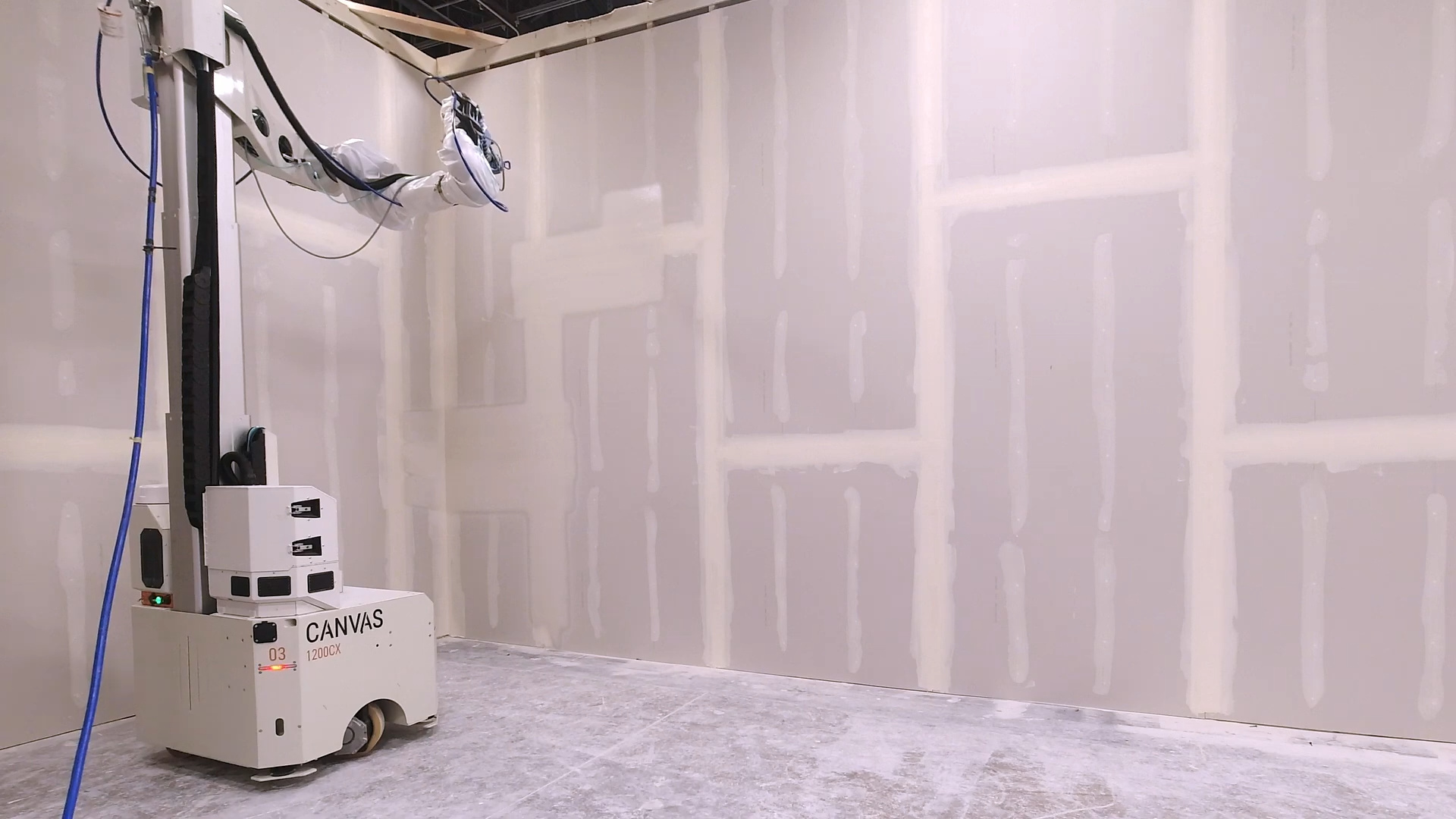
End of bricklayers? A robot smaller than a refrigerator and battery-powered challenges the most exhausting routine of construction sites: it plasters, sands, and finishes an entire drywall by itself, cutting the time for this service from five days to two and capturing 99.9% of the dust that would make workers sick.

-
They built an entire village in Wales with houses made of straw, clay, wood, and recycled materials, where families produce their own energy, collect rainwater, and live in one of the most famous sustainable housing projects in Europe.
-
Mega stadium of R$ 2.5 billion financed by China completes perimeter metal structure at 40 meters above ground in El Salvador, with stands and internal systems advancing in parallel towards delivery in 2027
-
Bothered by millions of bricks discarded every year in Norway, a company cuts old pieces into thin slices, secures them with a metal system, and transforms demolition into a new 1,800 m² facade.



Natural grass loses space to a more economical alternative
For decades, natural grass dominated residential gardens, condominiums, and urban outdoor areas. However, the need for weekly or biweekly mowing, especially during rainy periods, has led many property owners to seek more practical solutions.
In recent years, peanut grass has attracted attention precisely for eliminating much of these tasks. Its low-growing nature creates a uniform cover without requiring frequent cuts, reducing maintenance costs.
Another factor driving its popularity is the ability to maintain a green appearance even during prolonged periods of heat and drought, a feature increasingly valued in Brazilian yards.


Why peanut grass became a highlight in sustainable landscaping
The advancement of sustainable landscaping has encouraged the use of species that require fewer natural resources and offer significant environmental benefits.
In this context, Arachis pintoi has become one of the most interesting alternatives for residential gardens. Unlike conventional lawns, the plant acts as a multifunctional legume capable of protecting the soil and improving its fertility.
Furthermore, sustainable landscaping seeks to reduce the consumption of water, fertilizers, and chemicals, objectives that perfectly align with the characteristics of the species.
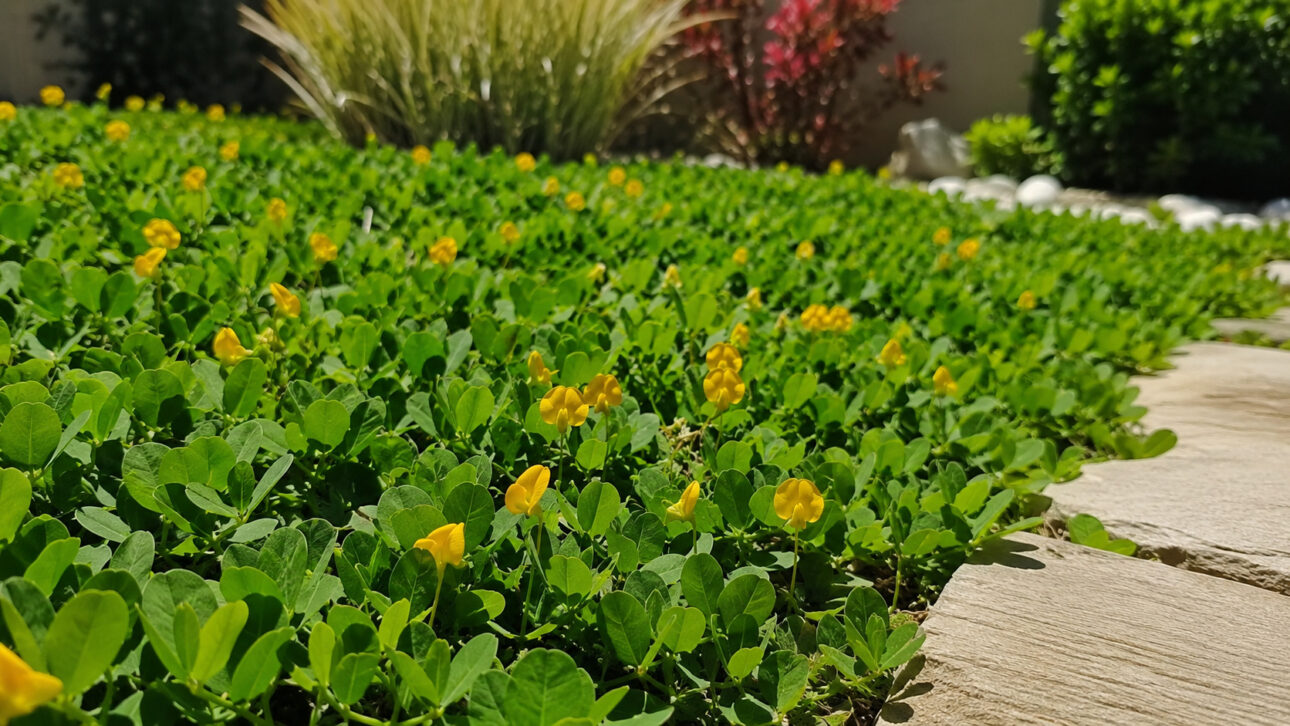
Another visual distinction is in the flowering. Small yellow flowers appear throughout the year, creating an ornamental effect that goes beyond the traditional green lawn.
How this sustainable ground cover improves soil quality
One of the most important characteristics of this sustainable ground cover is its ability to perform what is called biological nitrogen fixation.
In practice, the plant establishes a natural association with bacteria present in its roots, capturing nitrogen from the atmosphere and transferring this nutrient to the soil.
This process brings several advantages:
- Reduction in the need for chemical fertilizers;
- Natural soil enrichment;
- Improved fertility for other ornamental plants;
- Greater ecological balance in the garden.
Additionally, the sustainable ground cover created by the species helps conserve moisture and protects the land against erosive processes caused by rain.

Maintenance-free garden attracts residents seeking practicality
The fast-paced routine of big cities makes many people look for solutions that require less work on a daily basis.
That’s precisely why the idea of a maintenance-free garden is gaining traction among property owners. Although no green area is completely free of care, peanut grass comes quite close to this concept.
After the initial adaptation period, the care becomes minimal. Occasional removal of dry leaves and some minor adjustments are usually enough to preserve the beauty of the space.
For those who want a garden without heavy maintenance, the species emerges as an extremely attractive alternative.
Environmental benefits that go beyond the aesthetics of Brazilian backyards
The growth of peanut grass is not just linked to practicality. Its environmental benefits also play an important role in the expansion of the species across Brazilian backyards.
The density of the vegetation forms a natural barrier that hinders the emergence of invasive weeds. This reduces the need for chemical herbicides.
Additionally, the plant offers other environmental advantages:
- Increases rainwater permeability;
- Reduces the risk of erosion;
- Helps decrease the heat radiated by exposed soil;
- Attracts pollinators like bees and butterflies;
- Favors local biodiversity.
These factors reinforce its position as a solution aligned with modern principles of sustainable landscaping.
Comparison shows differences between natural grass and Arachis pintoi
When comparing natural grass with peanut grass, some differences become evident.
While conventional lawns require frequent mowing during the summer, the ornamental species practically dispenses with this procedure.
Another important point is related to water consumption. Natural grass usually demands constant irrigation during dry periods, while peanut grass shows good resistance after its complete establishment.
The most relevant differences include:
| Criterion | Natural Grass | Peanut Grass |
| Mowing frequency | Weekly or biweekly | Almost unnecessary |
| Water consumption | High | Low after rooting |
| Fertilizers | Frequent application | Reduced need |
| Visual effect | Uniform green | Green with yellow flowers |
| Sustainability | Moderate | High |
This set of characteristics explains the growth of the species in sustainable landscaping projects.
What to consider before using the species in circulation areas
Despite the numerous advantages, peanut grass is not suitable for all situations.
Its leaves and stems have a more delicate structure than some varieties of natural grass used in high-traffic areas.
For this reason, experts recommend caution in places with constant circulation of people or vehicles. Excessive trampling can break the branches and create gaps in the coverage.
In many projects, the solution is to combine the vegetation with concrete, stone, or wooden sleeper paths, preserving the integrity of the plant without compromising the functionality of the space.
Step by step to form a green carpet in a few weeks
The success of cultivation begins with proper soil preparation.
First, it is recommended to remove stones, debris, and invasive plants. Then, incorporating organic matter or well-rotted manure helps accelerate root development.
The seedlings are usually installed with an approximate spacing of 30 centimeters between them, allowing the vegetation to gradually advance over the area.
In the first 30 days, light and frequent irrigation is essential to ensure good rooting.
As the weeks go by, the branches expand and form a continuous vegetative carpet, covering almost the entire surface of the ground.
The solution that is changing the look of Brazilian backyards
The expansion of peanut grass demonstrates how gardening concepts are evolving in Brazil. More and more people are looking for alternatives that combine beauty, economy, and lower environmental impact.
By replacing natural grass with a species resistant to heat, drought, and low maintenance, homeowners can reduce costs and simplify the garden care routine.
Additionally, the benefits for the soil, the attraction of pollinators, and the reduction in the use of fertilizers strengthen the plant’s role in sustainable landscaping. With these characteristics, peanut grass continues to advance through Brazilian backyards and consolidate its position as one of the main trends in the sector.








Be the first to react!